Kiedy ludzie szukają najlepszych niefarmakologicznych urządzeń do redukcji stresu, zazwyczaj oczekują czegoś więcej niż tylko przyjemnego odwrócenia uwagi. Szukają niezawodnego sposobu na przerwanie fizycznej pętli stresu: płytkiego oddechu, podwyższonego napięcia mięśniowego, gonitwy myśli, przebodźcowania i snu, który nigdy nie przynosi pełnej regeneracji. Najskuteczniejsze urządzenia działają najpierw poprzez ciało, wysyłając do układu nerwowego wyraźny, powtarzalny sygnał bezpieczeństwa, rytmu, nacisku lub regeneracji.
To rozróżnienie ma znaczenie. Urządzenie może w danej chwili wydawać się relaksujące, ale oferować niewielkie wsparcie, gdy stres jest przewlekły lub grafik napięty. Poniższe opcje są warte rozważenia, ponieważ wykorzystują konkretne bodźce fizjologiczne – od wibracji o niskiej częstotliwości po rytmiczne oddychanie – aby pomóc w stworzeniu warunków do regulacji przywspółczulnej. Odpowiedni wybór zależy od tego, czy potrzebujesz wyciszenia całego ciała, przenośnego wsparcia między spotkaniami, lepszego snu czy profesjonalnego dodatku do gabinetu terapeutycznego.
Co sprawia, że urządzenie antystresowe jest skuteczne?
Stres zmienia ciało, zanim jeszcze zmieni historię w twojej głowie. Współczulny układ nerwowy może przyspieszyć tętno, wywołać napięcie szczęki i barków, zawęzić koncentrację i sprawić, że codzienne bodźce sensoryczne będą trudniejsze do przetworzenia. Niefarmakologiczne urządzenia są najbardziej przydatne, gdy oferują konkurencyjny wzorzec sensoryczny, który jest wystarczająco stabilny, aby ciało mogło go rozpoznać i na niego zareagować.
Wibracje dźwiękowe o niskiej częstotliwości, delikatne impulsy haptyczne, głęboki nacisk, zmiany temperatury i kierowane oddychanie docierają do układu nerwowego różnymi drogami. Żadne z nich nie jest uniwersalnie najlepsze. Osoba, która czuje się wyciszona dzięki mocnemu, równomiernemu naciskowi, może początkowo odczuwać wibrującą powierzchnię jako zbyt silną stymulację. Ktoś, kto nie lubi produktów obciążeniowych, może świetnie zareagować na wibracje dźwiękowe lub trenażer oddechowy. Celem nie jest wymuszenie relaksu, lecz dostarczenie bodźca, który twój organizm będzie mógł wykorzystać.
Najlepsze niefarmakologiczne urządzenia antystresowe warte rozważenia
1. Łóżka, poduszki i nakładki na stoły do terapii wibroakustycznej
Terapia wibroakustyczna wykorzystuje dźwięki o niskiej częstotliwości, zazwyczaj w zakresie od około 20 do 120 Hz. Specjalistyczne przetworniki zamieniają te częstotliwości audio na fizyczne wibracje odczuwalne poprzez łóżko, poduszkę, krzesło lub stół do masażu. Przy powszechnie stosowanych ustawieniach relaksacyjnych (około 30–80 Hz) ciało otrzymuje rytmiczną stymulację mechaniczną na dużej powierzchni kontaktu, podczas gdy słuchacz odbiera towarzyszącą muzykę lub tony.
Doświadczenie to często opisuje się jako dźwięk, który można poczuć. Ten fizyczny komponent jest kluczowy: wibracje stymulują mechanoreceptory skóry, mięśni i tkanki łącznej, tworząc delikatne, rytmiczne środowisko sensoryczne. Wiele osób uważa, że ułatwia to zauważenie własnego oddechu, uwolnienie ochronnego napięcia mięśniowego i wyjście z trybu „przeciążenia poznawczego” bez konieczności „próbowania” medytacji.
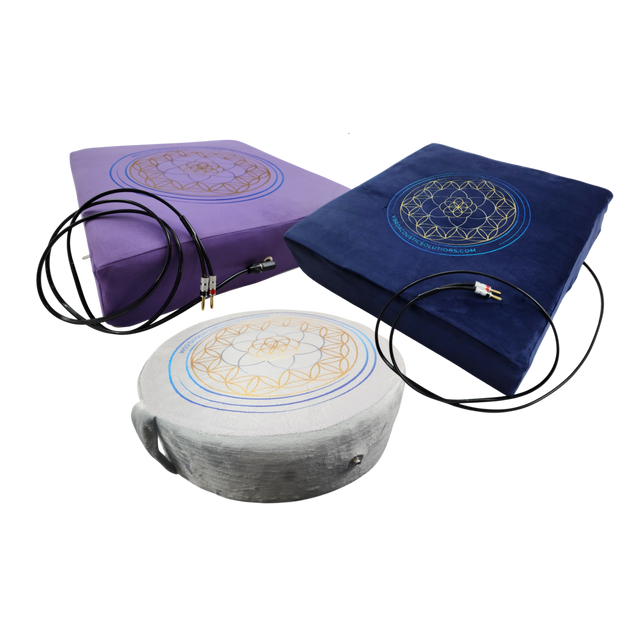
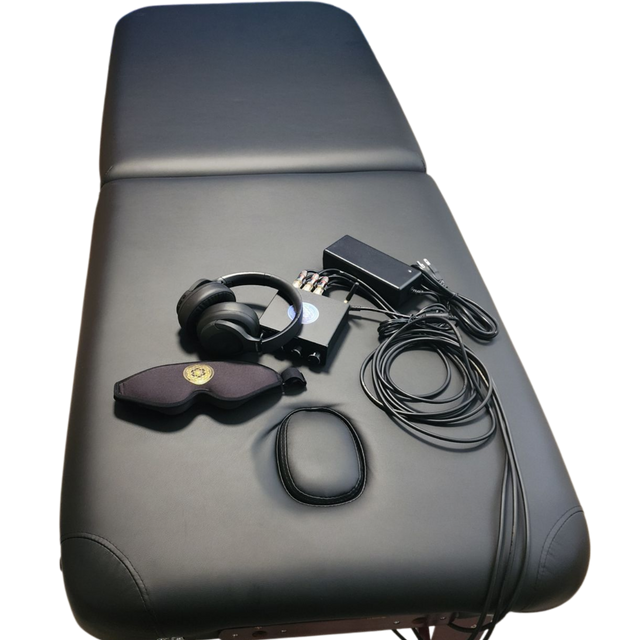
Dla użytkowników domowych poduszka wibroakustyczna lub zestaw do samodzielnego montażu mogą sprawić, że ulubiony fotel, łóżko czy istniejący stół do masażu staną się częścią rutyny regulacyjnej. Dla masażystów, praktyków pracy z ciałem i klinik integracyjnych nakładka na stół lub dedykowane łóżko mogą dodać uporządkowaną warstwę sensoryczną do pracy manualnej. Vibroacoustic Solutions projektuje systemy w takich formatach, aby technologia ta pasowała zarówno do profesjonalnych przestrzeni terapeutycznych, jak i codziennego środowiska regeneracji.
Badania nad interwencjami wibroakustycznymi analizowały m.in. wpływ na relaksację, odczuwanie bólu, sen i regulację autonomiczną. Dziedzina ta stale się rozwija, ale uzasadnienie kliniczne jest praktyczne: powolna, przewidywalna stymulacja o niskiej częstotliwości może pomóc stworzyć kotwicę dla ciała, gdy oparte na rozmowie strategie uspokajające wydają się nieosiągalne. Zacznij od 15-20 minutowej sesji przy komfortowym natężeniu. Większa intensywność wibracji nie zawsze oznacza lepsze efekty. Celem są wyraźne, przyjemne odczucia.
2. Urządzenia do biofeedbacku HRV
Zmienność rytmu zatokowego (HRV) mierzy niewielkie zmiany w czasie między uderzeniami serca. Nie jest to to samo, co tętno. Podczas spokojnej, prawidłowej regulacji, odstępy te naturalnie zmieniają się wraz z oddechem. Urządzenia do biofeedbacku HRV wykorzystują czujnik palcowy, pasek na klatkę piersiową lub odczyt oparty na kamerze, aby w czasie rzeczywistym pokazać, jak tempo oddychania wpływa na ten wzorzec.
Większość programów terapeutycznych zaleca wolne oddychanie w tempie około sześciu oddechów na minutę, choć indywidualne tempo rezonansowe może oscylować w granicach 4,5–6,5 oddechu na minutę. Tempo to wspiera odruch z baroreceptorów – system sprzężenia zwrotnego zaangażowany w regulację ciśnienia krwi i tętna. Obserwowanie zmiany sygnału daje użytkownikom natychmiastową lekcję tego, jak postawa, wydech i skupienie uwagi wpływają na fizjologię.
Metaanaliza badań nad biofeedbackiem HRV z 2017 roku wykazała istotną redukcję subiektywnego poczucia stresu i lęku w różnych grupach. Jest to szczególnie silna opcja dla osób ceniących dane, sportowców monitorujących regenerację oraz praktyków uczących klientów umiejętności, które można przenieść na inne sytuacje. Minusem jest to, że wymaga zaangażowania. W dniach większego wyczerpania bardziej przystępna może okazać się metoda pasywna, taka jak terapia wibroakustyczna.
3. Kołdry obciążeniowe i poduszki obciążeniowe na kolana
Produkty obciążeniowe wykorzystują bodziec głębokiego nacisku. Równomiernie rozłożony ciężar może zwiększyć sygnały proprioceptywne, co oznacza, że mózg otrzymuje silniejsze informacje o położeniu ciała w przestrzeni. Dla wielu osób to „otulenie” daje poczucie stabilizacji, szczególnie podczas wieczornego wyciszania, czytania, prowadzenia dziennika czy oglądania telewizji.
Randomizowane badanie kontrolne opublikowane w 2020 roku wykazało, że obciążeniowe kołdry łańcuchowe zmniejszyły nasilenie bezsenności u dorosłych z zaburzeniami psychicznymi, a korzyści utrzymywały się u wielu uczestników podczas obserwacji kontrolnych. Stres i sen są ze sobą ściśle powiązane, więc poprawa procesu zasypiania może mieć znaczący wpływ na odporność psychiczną następnego dnia.
Obciążenie musi być komfortowe, nigdy nie może krępować ruchów. Często punktem wyjścia jest około 5–10% masy ciała, jednak komfort, mobilność i wrażliwość na temperaturę są ważniejsze niż wzór matematyczny. Unikaj używania kołdry obciążeniowej w sytuacjach, w których ktoś nie może samodzielnie jej zdjąć, a w przypadku problemów z układem oddechowym, krążeniem lub poruszaniem się, skonsultuj się z wykwalifikowanym lekarzem.
4. Urządzenia haptyczne do oddychania i urządzenia typu „wearable”
Przenośne urządzenia haptyczne wykorzystują impulsy wibracyjne, aby kierować wolniejszym rytmem oddechowym. Zamiast zmuszać cię do patrzenia na ekran, wysyłają subtelny impuls na nadgarstek, klatkę piersiową lub inny punkt kontaktowy: wdech z jednym wzorcem impulsu, wydech z innym. To niewielka interwencja o użytecznym mechanizmie. Sygnał dotykowy zmniejsza wysiłek umysłowy związany z liczeniem, utrzymując jednocześnie uwagę skupioną na ciele.
Urządzenia te najlepiej sprawdzają się podczas przejść: przed prezentacją, po trudnej sesji z klientem, podczas siedzenia w zaparkowanym samochodzie lub w czasie zmiany trybu pracy na czas wolny. Są dyskretne i mobilne, jednak ich wibracje są zlokalizowane, a nie immersyjne. Jeśli stres objawia się pobudzeniem całego ciała, większa powierzchnia sensoryczna może przynieść większą ulgę.
5. Lampy do światłoterapii przy stresie związanym z zaburzeniami snu
Poranne światło jest potężnym sygnałem czasowym dla układu okołodobowego. Urządzenia emitujące jasne światło zazwyczaj dostarczają 10 000 luksów z określonej odległości, pomagając zasygnalizować mózgowi czujność w ciągu dnia i wspierając bardziej spójny rytm snu i czuwania w późniejszym czasie. Nie masują one bezpośrednio układu nerwowego, ale mogą zająć się częstym wzmacniaczem stresu: nieregularnym lub niedostatecznym snem.
Stosowanie lampy jest zwykle najbardziej wskazane wczesnym rankiem, często przez 20–30 minut, w zależności od instrukcji urządzenia i odległości od światła. Kluczowy jest czas – późna ekspozycja na jasne światło może u niektórych osób opóźnić sen. Osoby z chorobami oczu, wrażliwością na migreny lub zaburzeniami afektywnymi dwubiegunowymi powinny zasięgnąć indywidualnej porady przed rozpoczęciem protokołu świetlnego.
6. Maty do akupresury i urządzenia do masażu
Maty do akupresury wykorzystują wiele małych punktów, aby wywołać intensywne bodźce sensoryczne na poziomie skóry. Urządzenia masujące stosują perkusję, ugniatanie, rolowanie lub ucisk, aby wpływać na napięcie mięśni i lokalne krążenie. Oba rozwiązania mogą być pomocne, gdy stres kumuluje się w górnej części pleców, szyi, biodrach lub stopach.
Różnica polega na tempie. Urządzenie perkusyjne może działać orzeźwiająco i lepiej sprawdzi się w regeneracji po ćwiczeniach. Mata do akupresury jest często początkowo intensywna, ale staje się uspokajająca, gdy ciało się do niej zaadaptuje. Żadne z tych urządzeń nie jest najlepszym wyborem podczas ostrego przebodźcowania, jeśli silny dotyk wywołuje dyskomfort. W takiej chwili bardziej regulujące mogą okazać się wibracje o niskiej częstotliwości, przyciemnione światło i wolniejszy oddech.
Jak wybrać odpowiednie urządzenie dla swojego układu nerwowego
Zacznij od wzorca, który chcesz zmienić. Jeśli twój stres objawia się głównie napięciem fizycznym i trudnościami z wyciszeniem się wieczorem, rozważ terapię wibroakustyczną, głęboki nacisk lub delikatny masaż. Jeśli zauważasz spirale zamartwiania się, szybki oddech i potrzebę mierzalnej informacji zwrotnej, biofeedback HRV oferuje praktyczną ścieżkę treningową. Jeśli twój poziom energii i nastrój zmieniają się wraz z ciemnymi porankami lub niespójnym snem, światłoterapia może być lepszym narzędziem podstawowym.
Pomyśl też o dawkowaniu i „tarciu”. Urządzenie, które leży nieużywane, nie jest dobrym wyborem, niezależnie od tego, jak imponujące ma parametry. Użytkownikowi domowemu najbardziej przyda się poduszka wspierająca 20-minutowe sesje trzy wieczory w tygodniu. Praktyk może potrzebować systemu stołowego, który można zintegrować ze stałym procesem terapeutycznym. Osoba często podróżująca więcej zyska na urządzeniu wspomagającym oddychanie niż na jakimkolwiek większym systemie.
Rozsądne jest również łączenie metod. Krótka praktyka oddechowa z HRV przed sesją wibroakustyczną może pomóc w ustawieniu intencji i tempa. Obciążeniowa poduszka na kolana podczas sesji dźwiękowej może dodać poczucie stabilności. Najlepszy protokół jest często na tyle prosty, by go powtarzać, i na tyle delikatny, by ciało zaczęło oczekiwać ulgi.
Redukcja stresu staje się bardziej trwała, gdy nie jest kolejnym zadaniem do wykonania „na szóstkę”. Wybierz urządzenie, które nadaje twojemu ciału jasny, sensoryczny język spokoju, a następnie wracaj do niego na tyle często, by ten język stał się dla ciebie zrozumiały.
Najnowsze posty

Clinic Adding Vibroacoustic Therapy: An Example
Read article

Chronic Pain Relief Room Example for Home Use
Read article