Stress does not always feel mental. Often, it shows up first in the body - a clenched jaw, shallow breathing, tight shoulders, restless sleep, or that wired-but-tired feeling that never fully switches off. That is why the question, can vibration therapy reduce stress, deserves a body-based answer. For many people, the most effective stress support is not more mental effort. It is a safe sensory input that helps the nervous system shift out of survival mode and back toward regulation.
Can vibration therapy reduce stress through the nervous system?
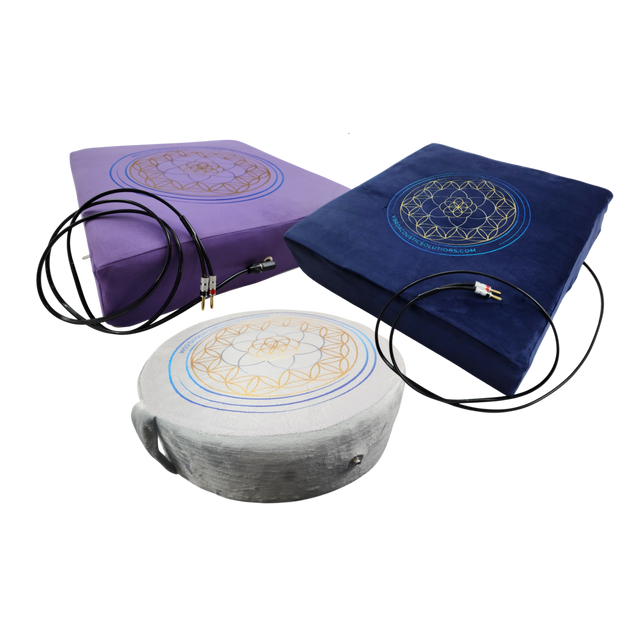
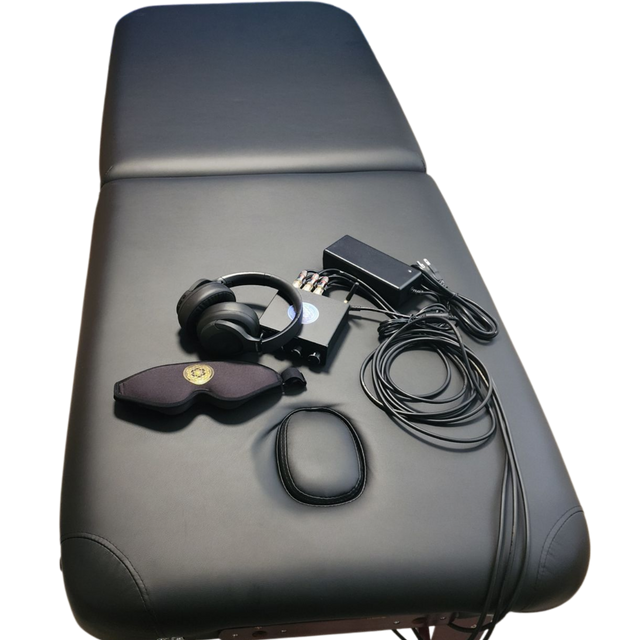
In many cases, yes - but the mechanism matters. Vibration therapy is a broad term, and not every device or protocol works the same way. When people are specifically talking about vibroacoustic therapy, they are referring to low-frequency sound vibrations delivered through the body, usually through a bed, cushion, chair, or treatment table. Those frequencies are paired with sound in a way that creates both an auditory and tactile experience.
This matters for stress because the nervous system responds to rhythm, repetition, and sensory predictability. Low-frequency vibration can create a form of structured sensory input that encourages the body to downshift. Many users describe the experience as feeling grounded, settled, or more present in their body. Clinically, this points toward parasympathetic activation, reduced muscular guarding, and improved autonomic balance.
Stress is not just a thought pattern. It is also a physiological state. Heart rate may stay elevated, breathing may become restricted, and muscle tone may remain high long after the original trigger has passed. Vibroacoustic therapy aims to interrupt that pattern through somatic regulation rather than verbal processing alone.
How vibroacoustic therapy may help reduce stress
The most relevant explanation is not that vibration somehow erases stress. It is that the right kind of vibration may help the body become less reactive to it.
Low-frequency stimulation can support relaxation by giving the nervous system a consistent input to organize around. In people who feel overstimulated, anxious, or physically tense, that can create a sense of containment. The body often responds to predictable sensory patterns better than to abstract instructions like relax or calm down.
There is also a muscular component. Stress commonly leads to bracing in the neck, back, hips, and diaphragm. Gentle vibration may function like a cellular micro-massage, helping soften tension patterns that keep the body on alert. When muscle guarding decreases, breathing often becomes easier and the subjective experience of stress may drop with it.
For some users, the biggest shift happens after the session. They sleep more deeply, feel less irritable, or notice that they are not carrying the same edge through the day. That delayed effect matters because stress regulation is not always immediate. Sometimes the body needs a period of sensory safety before it can release activation.
What the research suggests
The evidence base around vibroacoustic therapy is still developing, but it is stronger than many people assume. Research in related areas has explored its potential effects on anxiety, stress perception, pain, muscle tone, sleep, and nervous system regulation. While study size and quality vary, the direction is promising.
One reason stress outcomes can improve is that vibroacoustic therapy sits at the intersection of several evidence-informed mechanisms. It combines low-frequency stimulation, music or sound-based entrainment, deep relaxation, and passive body support. Each of those can influence the autonomic nervous system. Together, they may create a stronger regulatory effect than simple rest alone.
That said, serious claims should stay measured. Vibroacoustic therapy is not a cure for chronic stress disorders, trauma, or anxiety conditions. It is better understood as a non-invasive therapeutic tool that may support regulation, especially when used consistently and appropriately. For practitioners, that distinction protects both credibility and client safety.
Who may benefit most from stress support with vibration therapy
The people most likely to notice benefit are often those whose stress is highly physical. This includes individuals with chronic muscle tension, poor sleep, sensory overload, burnout, or persistent nervous system activation. It can also be useful for clients who struggle to relax during traditional meditation or breathwork because their body does not feel safe enough to settle.
Home users often respond well when they want a repeatable, low-effort way to decompress. A short session at the end of the day can become a cue for the body to transition out of work mode. For practitioners, vibroacoustic equipment can deepen massage, somatic therapy, sound therapy, or recovery sessions by helping clients arrive in a more regulated state before the main intervention begins.
People with trauma histories, autism, ADHD, or sensory dysregulation may also be interested, but this is where nuance matters. Some individuals find low-frequency vibration deeply organizing. Others may need careful pacing, lower intensity, or shorter sessions to avoid sensory overload. More stimulation is not always better.
When the answer is yes - and when it depends
If the question is can vibration therapy reduce stress for everyone, the honest answer is no. Stress is not one thing, and neither is vibration therapy.
The outcome depends on the type of device, the frequency range, session duration, sound pairing, body positioning, and the user’s nervous system profile. A high-intensity consumer vibration product designed for fitness recovery is not the same as a clinical-grade vibroacoustic system designed for regulation and therapeutic use. The first may energize the body. The second is more likely to support relaxation.
It also depends on expectations. If someone is severely sleep-deprived, over-caffeinated, and living in a constant state of overload, one 20-minute session may feel good but not change the whole pattern. Used consistently, though, body-based regulation tools can become part of a larger stress recovery strategy.
This is why education matters. A science-based approach does not promise instant transformation. It helps people choose the right protocol, track realistic outcomes, and understand how frequency-based stimulation fits into broader nervous system care.
What a stress-focused session should feel like
A well-designed vibroacoustic session for stress reduction should feel settling, not jarring. Most users notice gentle pulsing or waves through the body, often alongside calming music or tones. The experience should support breath slowing, muscular release, and a gradual sense of internal quiet.
If the stimulation feels agitating, too intense, or physically uncomfortable, the settings may not be appropriate. That is especially true for highly sensitive users or clients in a dysregulated state. Starting low and adjusting gradually is usually the best approach.
The environment matters too. A supportive surface, reduced external noise, and enough time to transition in and out of the session can make a meaningful difference. Stress reduction is not just about the hardware. It is also about creating conditions where the nervous system does not have to stay defended.
Using vibration therapy as part of a larger stress plan
Vibroacoustic therapy works best when it is treated as one tool within a broader regulation framework. For some people, that means pairing sessions with breath training, gentle stretching, or evening sleep routines. For practitioners, it may mean integrating vibroacoustic support into massage, trauma-informed care, recovery work, or sensory regulation plans.
Consistency usually matters more than intensity. Short, regular sessions may be more effective for stress reduction than occasional long sessions. The body tends to respond well to repeated experiences of safety and predictability.
This is also where equipment quality becomes important. Therapeutic outcomes depend on more than vibration alone. Frequency delivery, surface design, comfort, and reliability all shape the experience. Brands such as Vibroacoustic Solutions focus on making clinical-grade systems more accessible because the goal is not novelty. It is dependable nervous system support that people can use at home or in practice settings.
For people asking whether vibration therapy is worth trying for stress, the clearest answer is this: it can be, especially if your stress lives in your body as much as your mind. The right kind of vibration will not force relaxation, but it may give your system the sensory conditions it needs to remember how to do it.
Latest posts