A racing mind is not always a thinking problem. Often, it is a body that has received too much input, held too much tension, or lost its sense of safety after stress, pain, disrupted sleep, or sensory overload. This guide to somatic recovery tools begins where recovery actually happens: in the nervous system's ongoing conversation with breath, pressure, movement, sound, and internal sensation.
Somatic tools are not about forcing calm or performing wellness perfectly. They offer the body organized sensory information, then create enough space for it to shift out of constant protection and toward rest, recovery, and more flexible regulation. The most effective choice depends on what your body needs in that moment - grounding, release, quiet focus, physical restoration, or a gentler transition into sleep.
What makes a recovery tool somatic?
A somatic tool works through the body first. It may influence the autonomic nervous system through respiration, proprioception, tactile input, temperature, rhythmic movement, or low-frequency vibration. The physical signal arrives before the emotional or cognitive interpretation of that signal.
For example, a longer exhale changes respiratory mechanics and can support parasympathetic activity. Slow, predictable movement supplies proprioceptive information from muscles and joints, helping the brain map where the body is in space. Firm, comfortable pressure activates skin and deeper tissue receptors that communicate containment and contact. These inputs can reduce the feeling of being scattered because the nervous system has clearer information to process.
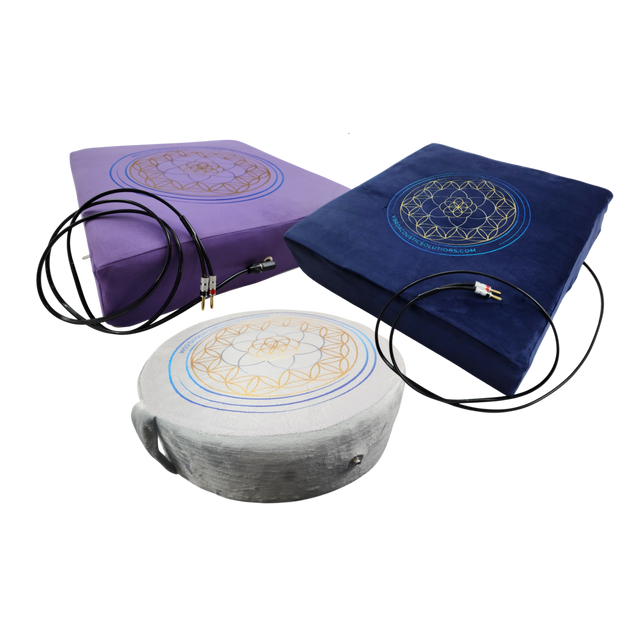
Vibroacoustic therapy uses another route: low-frequency sound, usually delivered through transducers in a bed, cushion, chair, or massage table attachment. Instead of only hearing a tone through the ears, the body feels it as mechanical vibration. Frequencies in the approximate 20 to 120 Hz range can travel through the treatment surface into the body, creating a gentle, rhythmic sensory field. Lower frequencies, often between 30 and 80 Hz, are commonly used for their deeply felt quality and their ability to support relaxation-oriented sessions.
The goal is not one magical frequency. It is an appropriately dosed sensory experience that feels predictable, tolerable, and restorative to the individual receiving it.
Begin with the recovery state you need
Before choosing equipment or building a routine, identify the pattern in front of you. A person who is wired, restless, and overstimulated usually needs a different input than someone who feels flat, disconnected, or physically depleted after exertion.
Ask a few practical questions: Is your breathing high and shallow? Are your jaw, shoulders, or hands braced? Do you feel emotionally flooded, numb, fatigued, or unable to settle at night? Is physical discomfort keeping your nervous system on alert? These are not diagnoses. They are useful clues for matching the tool to the state.
For home users, a short check-in creates better results than trying every method at once. For clinicians and bodywork practitioners, it also helps establish a session baseline: posture, breath rhythm, muscle tone, sensory tolerance, and the client's stated recovery goal.
Breath pacing for internal rhythm
Breath is one of the most accessible somatic recovery tools because it directly changes the rhythm of the thorax, diaphragm, and cardiovascular system. A slower, unforced breathing pattern can increase respiratory sinus arrhythmia, the natural variation in heart rate that occurs across an inhale and exhale. Heart rate variability research often examines paced breathing around five to six breaths per minute, although a comfortable pace varies from person to person.
Try extending the exhale slightly rather than taking dramatically bigger breaths. An easy inhale followed by a longer, softer exhale for two to five minutes can be enough to reduce effort and create a sense of internal space. If slow breathing feels activating, shorten the practice, return to natural breathing, or add a grounding cue such as feeling both feet on the floor.
Breath pacing works especially well before vibroacoustic therapy, massage, sleep, or a difficult conversation because it gives the nervous system a steady rhythm to organize around.
Pressure and touch for grounding
Deep pressure can be regulating because it provides clear tactile and proprioceptive input. A weighted blanket, supportive bolster, self-hold around the upper arms, or skilled therapeutic touch can help some people feel more physically located in their bodies. This is often useful when stress creates a floating, agitated, or fragmented feeling.
The trade-off is sensory preference. What feels containing to one person can feel restrictive to another, particularly during periods of heightened sensitivity. Start with choice and control: lighter pressure, shorter intervals, and the ability to stop immediately. In a treatment setting, consent and ongoing feedback are part of the therapeutic mechanism, not an administrative detail.
Pairing comfortable pressure with low-frequency vibration can create an especially immersive experience. The stable support of a treatment surface reduces unnecessary movement while the vibration adds a rhythmic signal that the body can track.
Slow movement for tension and body awareness
Stress-related tension is not always released by stretching harder. Muscles may remain guarded because the nervous system is still scanning for demand. Slow movement gives the system an opportunity to update that expectation.
Choose movements that are small enough to notice: shoulder circles, spinal rocking, a slow walk, gentle shaking through the hands, or controlled shifting of weight from one foot to the other. The useful ingredient is not intensity. It is attention to sensation, range, effort, and recovery between movements.
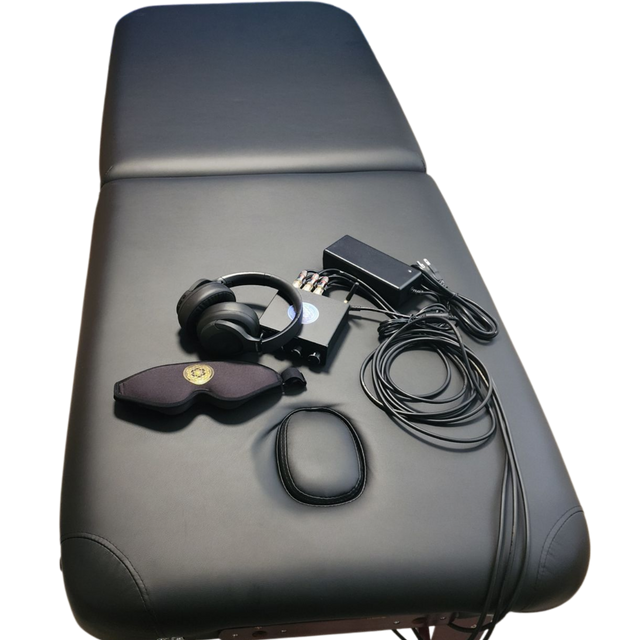
For physical recovery, this approach can be paired with a vibroacoustic bed or massage table system. A brief period of low-frequency vibration before gentle mobility work may help clients or home users notice areas of holding without immediately pushing into them. After movement, another short period of stillness can help the body integrate the change.
Vibroacoustic therapy for whole-body sensory regulation
Vibroacoustic therapy is particularly valuable when a person wants sound to be felt, not merely heard. Transducers convert an audio signal into vibration, transferring low-frequency energy through a mattress, cushion, or table. This creates a tactile listening experience that can engage the body through rhythm, contact, and resonance.
In clinical and pilot research settings, vibroacoustic protocols commonly track outcomes such as perceived pain, anxiety, sleep quality, muscle relaxation, and heart rate variability. Session design varies widely, but 20 to 45 minutes is a practical range for a restorative experience. Many users begin with lower volume and a narrow frequency range, then adjust based on comfort rather than chasing stronger sensation.
For settling and rest, sustained frequencies around 30 to 60 Hz are often selected for their grounding character. Frequencies near 40 Hz are also of interest in broader auditory and neuroscience research because rhythmic stimulation can influence patterns of attention and sensory processing. For muscle-focused applications, practitioners may use sweeps or layered programs across roughly 40 to 80 Hz to create a changing physical texture.
Music matters as much as the frequency setting. Gentle pacing, limited abrupt transitions, and an appropriate volume level make it easier for the nervous system to receive the session as safe and coherent. Vibroacoustic Solutions designs systems that allow this clinical-grade modality to be integrated into home recovery spaces, massage practices, and broader somatic care plans.
Temperature and orienting for fast, simple resets
Temperature and visual orientation are useful when you need a tool with almost no setup. Cool water on the face, a warm shower, holding a warm mug, or stepping outside for a few minutes can create a noticeable shift in sensory input. The value lies in the contrast and the present-moment information it provides.
Orienting adds another layer. Slowly look around the room, let your eyes land on neutral or pleasant details, and name a few colors, shapes, and sounds. This is not distraction. It is a way to show the nervous system what is actually present now, rather than leaving it locked onto what happened earlier or what might happen next.
Build a recovery sequence you will actually use
The best somatic routine is usually modest and repeatable. A 15-minute evening practice may be more valuable than an ambitious plan that only happens once a month. Start with one tool that reduces activation and one that helps you notice the result.
A practical sequence might begin with two minutes of easy breath pacing, followed by 10 minutes on a vibroacoustic cushion or bed at a comfortable low-frequency setting, then three minutes of quiet body scanning. Notice jaw tension, breath depth, warmth in the hands, contact with the surface, and the overall sense of effort. If your system feels more alert afterward, reduce the session length, lower the intensity, or choose a steadier sound program next time.
Practitioners can use the same principle in a session: establish a baseline, introduce one primary sensory input, reassess, and adjust. More stimulation is not automatically more therapeutic. Precision, pacing, and client choice are what turn a tool into a recovery practice.
If pain, dizziness, emotional overwhelm, or unusual physical symptoms arise, pause the session and seek guidance from an appropriate licensed healthcare professional. Somatic recovery works best when it is integrated thoughtfully with the care and support already available to you.
Your body does not need to be convinced into recovery. It needs conditions it can recognize: steadiness, safety, manageable sensation, and enough time to respond.
Latest posts

Clinical Vibroacoustic Setup for Safer Sessions
Read article
Transducers Versus Subwoofers for Vibroacoustic Therapy
Read article