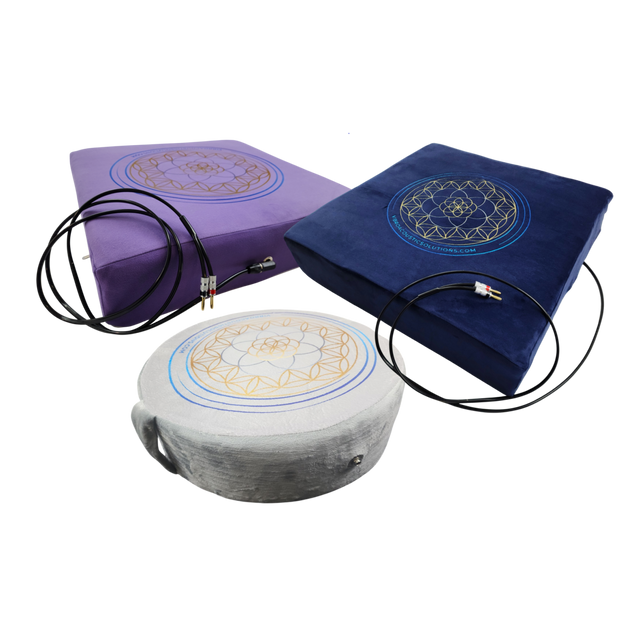
A weighted blanket can make the body feel held. A vibroacoustic cushion can make the body feel heard. When comparing vibroacoustic cushions versus weighted blankets, the most useful question is not which one is better in every situation. It is which form of sensory input best matches the nervous system, goals, and setting in front of you.
Both tools can support settling, comfort, sleep routines, and sensory regulation. Their mechanisms, however, are distinctly different. A weighted blanket uses steady external pressure. A vibroacoustic cushion delivers low-frequency sound as gentle, palpable vibration through the body. For home users and practitioners, understanding that difference helps turn a general wellness purchase into a more intentional therapeutic choice.
How each tool communicates with the nervous system
Weighted blankets work through deep pressure stimulation. The distributed weight across the body provides proprioceptive input - information from pressure, muscles, and joints that helps the brain map where the body is in space. For many people, this steady pressure feels grounding and containing, particularly during rest, transitions, or periods of sensory overload.
The experience is usually passive and consistent. Once the blanket is in place, the sensory signal remains largely unchanged. This simplicity is a strength. There are no settings to adjust, no audio program to select, and little learning curve beyond choosing an appropriate size and weight.
A vibroacoustic cushion works through a different pathway. Low-frequency sound, typically in the range of roughly 20 to 120 Hz, is sent through transducers in the cushion and converted into mechanical vibration. Instead of only hearing sound through the ears, the user feels it through contact points in the back, hips, legs, or other areas supported by the cushion.
This physical vibration creates a form of localized mechanical stimulation sometimes described as cellular micro-massage. Slow, steady frequencies can be experienced as deeply settling, while more rhythmic programs may feel enlivening or organizing. The body receives an audible and tactile signal at the same time, which is why vibroacoustic therapy can feel more immersive than listening to music alone.
Research into vibroacoustic therapy has explored applications including pain perception, muscle tone, relaxation, and mood. Small clinical studies and reviews have reported promising changes in pain ratings, stress responses, and quality-of-life measures, while also pointing to the need for larger, well-controlled trials. What is already clear in practice is that frequency is not merely background sound. It is a physical stimulus that can be felt, paced, and tailored.
Vibroacoustic cushions versus weighted blankets for regulation
For nervous system regulation, both options can be valuable, but they offer different sensory languages.
A weighted blanket may be the better fit for someone who calms through firm, predictable pressure. It can support a familiar bedtime ritual, make a couch or bed feel more secure, and reduce the number of decisions required when someone is already depleted. Many people appreciate that it remains quiet, simple, and easy to integrate into an existing routine.
A vibroacoustic cushion may be a stronger fit for someone who responds to rhythm, music, tactile sound, or changing sensory input. The cushion can be used while seated, reclining, during breathwork, after physical activity, or as part of a treatment session. Because programs can include different frequency ranges and musical layers, the experience can be adjusted to the person rather than asking the person to adapt to one fixed sensation.
This distinction matters for sensory needs. Some people love the enveloping pressure of a blanket but find it too warm, restrictive, or difficult to remove when they need to change position. Others find vibration overly stimulating at first and prefer to begin with lower volume and shorter sessions. Neither response is wrong. Effective regulation depends on a sense of choice and safety.
Sleep support: steady pressure or low-frequency sound?
Weighted blankets are often associated with sleep because they are easy to use throughout the night. They can create a consistent cue that it is time to rest. For someone whose sleep difficulty is tied to restlessness, a desire for containment, or an inconsistent bedtime environment, that may be exactly what is needed.
Vibroacoustic cushions are usually better suited to the transition into sleep than to overnight use. A 15- to 30-minute session before bed can create a deliberate downshift from work, caregiving, exercise, or screen time. Lower-frequency vibration paired with slow music or calming tones can encourage a more spacious relationship with tension in the body.
Many users enjoy frequencies in the 30 to 60 Hz range for relaxation-oriented sessions because the vibration is substantial enough to feel grounding without becoming overly intense. Individual response varies, and comfort should guide volume, session length, and positioning. The goal is not to force sleep. It is to create conditions that make settling more available.
For a bedtime routine, the two tools can also work together. A person might use a vibroacoustic cushion for 20 minutes while reading or breathing slowly, then transition to a weighted blanket once they are ready to sleep. The cushion provides an active regulation ritual; the blanket continues the feeling of comfort and containment.
Pain, recovery, and body awareness
The comparison becomes especially meaningful for people seeking physical recovery support. A weighted blanket may help the body feel settled after a demanding day, but it does not target a particular area or introduce movement through sound.
A vibroacoustic cushion places low-frequency vibration directly beneath the body. Depending on its placement, that may mean support for the low back, upper back, hips, legs, or seated posture. The vibration can bring attention to areas that have become guarded or disconnected, while the musical component supports a calmer emotional environment.
For massage therapists, somatic practitioners, and integrative providers, this is where a cushion can add a distinct clinical-grade layer to care. It can be used before hands-on work to help a client arrive in their body, during rest periods to deepen integration, or after a session to support a gradual return to movement. It does not replace clinical assessment or medical care, but it can complement a well-designed therapeutic environment.
A weighted blanket remains useful in practice settings where clients need simple grounding during conversation, meditation, or quiet rest. Its advantage is immediacy. Its limitation is that the sensory input cannot be precisely tuned. Vibroacoustic systems offer more variables - frequency, amplitude, music, session duration, and body placement - which creates more opportunity for personalization and requires more thoughtful setup.
Practical differences at home and in a practice
Cost, portability, and maintenance deserve attention. Weighted blankets are generally less expensive, require no power, and are easy to store. They are a practical entry point for someone who knows they benefit from deep pressure and wants a straightforward comfort tool.
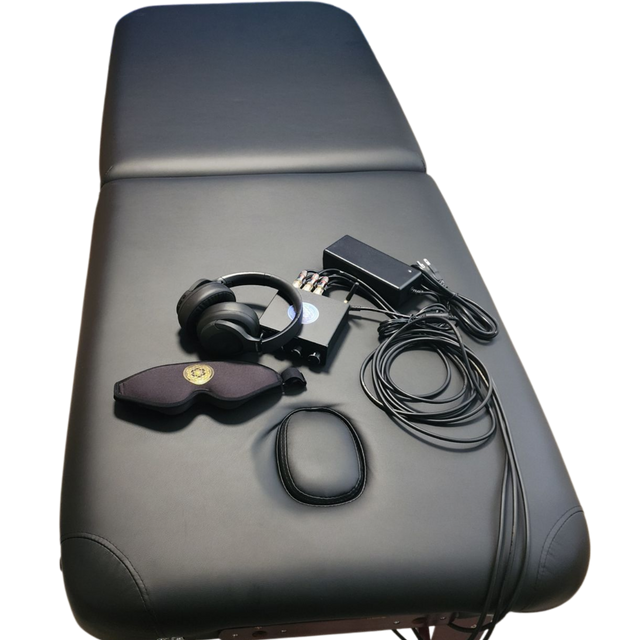
Vibroacoustic cushions require power and intentional use, but they are far more versatile than many people expect. A portable cushion can turn a favorite chair, recliner, sofa, massage table, or floor setup into a sound-based therapeutic space. This makes it useful for people who do not have room for a dedicated vibroacoustic bed yet want a meaningful tactile sound experience.
For practitioners, a cushion is often easier to integrate than a larger system. It can travel between treatment rooms, support a client in a seated session, and add sensory depth without changing the entire layout of a practice. Vibroacoustic Solutions designs systems with this practical flexibility in mind, including options that help bring low-frequency therapy into existing furniture and treatment setups.
Which one should you choose?
Choose a weighted blanket when the priority is steady, low-maintenance deep pressure, especially for a familiar sleep or rest routine. It is a strong choice for people who prefer stillness, warmth, and a consistent sensory experience.
Choose a vibroacoustic cushion when the priority is frequency-based tactile sound, customizable sessions, body awareness, or a more active form of nervous system support. It is particularly well suited to people who enjoy music, respond to rhythm, want support for recovery routines, or plan to use it in a therapeutic setting.
For some households and clinics, the answer is both. Deep pressure and low-frequency vibration do not compete as much as they complement one another. One offers the steady reassurance of being held; the other offers an invitation to feel the body soften, organize, and reconnect from within.
The best sensory tool is the one a person can use consistently, comfortably, and with genuine agency. Start with the sensation that feels safest, stay curious about the body’s response, and let each session become a small practice in regulation rather than another task to complete.
Latest posts

How to Prepare Sound Sessions That Feel Therapeutic
Read article
Guide to Vibration Intensity Settings for Therapy
Read article