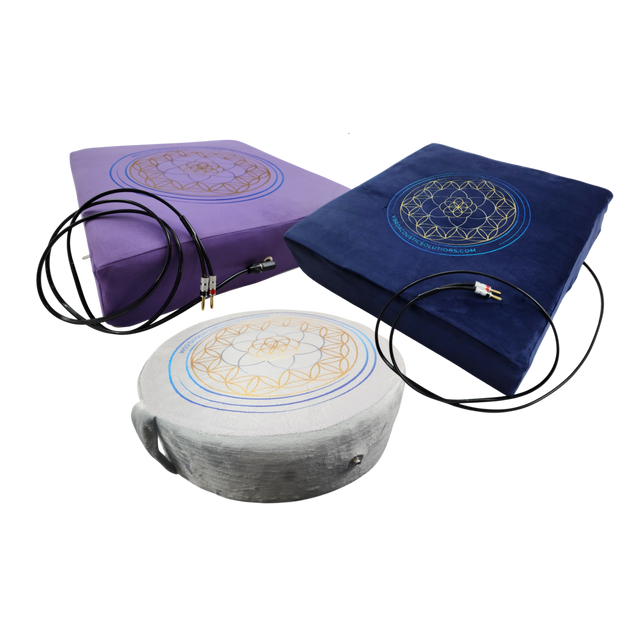
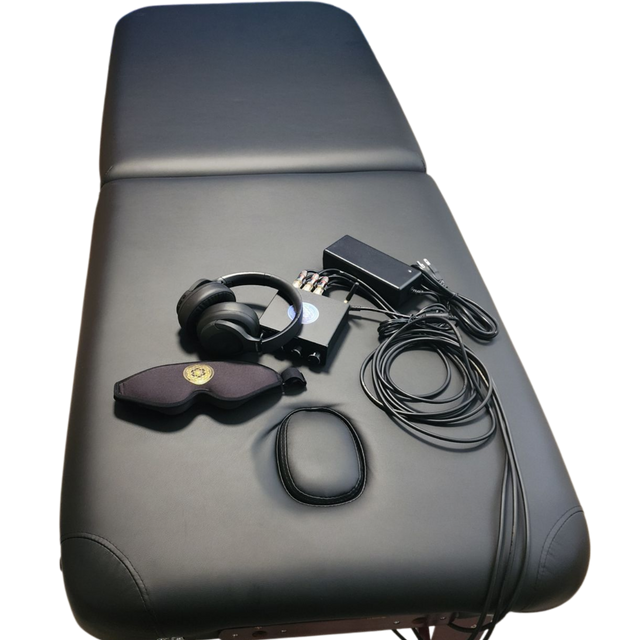
A therapeutic cushion can look simple from the outside, yet its value depends on what happens beneath the surface: the relationship between low-frequency sound, the body, and the nervous system. Learning how to select therapeutic cushions starts with more than choosing a comfortable shape. You need to know where the vibration enters the body, what frequencies the system can reproduce, and whether the cushion fits the way you actually plan to use it.
For some people, that means a quiet recovery tool for the couch or bed. For a massage therapist or somatic practitioner, it may mean adding tactile sound to an existing treatment table without replacing the entire setup. The right choice should feel supportive physically, practical in your space, and precise enough to create a consistent vibroacoustic experience.
How to Select Therapeutic Cushions for Your Needs
Vibroacoustic cushions use transducers, sometimes called tactile sound transducers, to convert an audio signal into physical vibration. Rather than only hearing a tone through speakers, the body feels it through contact points such as the back, hips, shoulders, or legs. This tactile component is central to vibroacoustic therapy.
Low frequencies are particularly relevant because they travel efficiently through soft tissue and large areas of the body. Frequencies from roughly 20 to 120 Hz are commonly used in vibroacoustic applications. The lower end, around 20 to 40 Hz, often creates a slower, heavier sensation that many people associate with grounding and deep rest. Mid-low frequencies around 40 to 80 Hz can feel more rhythmic and activating in the muscles, while higher tactile frequencies may offer a clearer, more localized buzz.
The goal is not to chase one "best" frequency. Your preferred range can depend on your body size, sensitivity, posture, the music or therapeutic audio you use, and whether you want quiet downregulation or a more alert recovery session. Select a cushion that gives you useful range and reliable control, rather than one that simply advertises powerful vibration.
Start With the Intended Use Setting
A cushion designed for occasional home use may not be the right choice for a busy clinic. Begin by identifying where sessions will happen and how often the equipment will be used.
For home use, portability, ease of storage, and a simple setup often matter most. A compact cushion can make it easier to establish a repeatable evening practice for relaxation, sleep preparation, or decompression after work. If your primary concern is tension in the lumbar area or hips, a smaller format may provide enough targeted contact without taking over the room.
For professional practice, consider the whole client experience. A therapeutic cushion should be stable, easy to position, and durable enough for repeated appointments. A practitioner may place one beneath the upper back, pelvis, knees, or calves, depending on the treatment goals and the client’s comfort. In this setting, an attachment kit or a larger cushion system may be more useful than a small standalone unit because it integrates with an existing massage table.
There is also a middle ground: people who want a system that can move between a bedroom, living room, and treatment room. In that case, prioritize manageable weight, dependable connections, and controls that do not require extensive technical setup every time you relocate it.
Evaluate Frequency Range and Control
A therapeutic cushion is only as useful as its ability to reproduce the material you play through it. Look for a system designed for low-frequency performance, not a standard speaker placed inside a padded case. The transducer should respond clearly to bass-rich music, therapeutic programs, tones, and guided sound sessions without rattling or distorting at comfortable listening levels.
Control matters as much as range. Independent volume adjustment lets you balance what you hear with what you feel. This is especially valuable for sensory-sensitive users, including people with autism, ADHD-related sensory needs, trauma-related hypervigilance, or a low tolerance for sudden intensity. The body should have time to orient to the sensation.
Start conservatively. A session that feels gentle at first can become more pronounced as the body settles into the surface and begins noticing subtle vibration. Stronger is not automatically more therapeutic. Consistent, tolerable input often supports a more regulated experience than intensity that makes the body brace.
Audio source compatibility also deserves attention. Think about whether you will use a phone, tablet, computer, professional audio player, or a dedicated amplifier. A well-designed system should make this connection straightforward while preserving a clean signal to the transducer.
Choose Sensation, Not Just Specifications
Technical specifications are useful, but your body is the final reference point. A cushion with excellent low-end response may be ideal for someone seeking deep, enveloping contact, while another person may prefer a lighter sensation with more definition.
Pay attention to where the vibration is felt. When seated, the cushion may deliver sensation through the sacrum and lower back. When reclining, it may spread through the thoracic spine, rib cage, and shoulder girdle. On a treatment table, placement can shift the experience toward the pelvis, legs, or upper body. These differences are not minor. They shape how immersive, focused, or calming a session feels.
Consider Cushion Construction and Body Support
Therapeutic technology works best when the body can relax into it. If a cushion is too thin, overly firm, or poorly shaped, pressure points can compete with the therapeutic input. If it is too soft, the body may sink so deeply that vibration becomes less distinct.
Look for supportive foam, durable upholstery, and a form that suits your most common posture. A rectangular cushion may work well across a massage table or beneath the torso. A smaller lumbar-oriented design may be better for seated use. Consider the person using it, too. Larger bodies, clients with limited mobility, and people who cannot tolerate prolonged supine positioning may need more adaptable placement options.
The cover should be practical. In a clinic, easy-clean materials and a surface that tolerates regular disinfection are essential. At home, softness and breathability may take priority. Neither approach is universally better. The right construction reflects the setting and the frequency of use.
Match the Cushion to Your Therapeutic Approach
A therapeutic cushion can support many styles of care, but it should complement your approach rather than dictate it. Massage therapists may use tactile sound before hands-on work to help clients settle onto the table. Somatic practitioners may pair low-frequency vibration with breath awareness, interoception, or guided body scans. Home users may create a short transition ritual between the demands of the day and sleep.
Music and tones influence the experience as well. Slow, bass-forward music can create a broad wave of tactile sensation. Pure tones offer a more focused frequency experience. Many people also enjoy working with 432 Hz music, Solfeggio tones, or nature-based soundscapes because of the emotional meaning, ritual, and spaciousness these practices can bring. A cushion capable of reproducing the low-frequency elements of the audio lets those listening choices become felt experiences, not only heard ones.
Research into vibroacoustic methods has explored applications involving relaxation, pain perception, movement support, and quality of life. Researchers are particularly interested in how rhythm, low-frequency stimulation, and auditory input interact with the autonomic nervous system. While individual responses vary, this body-based format gives practitioners and home users a practical way to explore sound as part of a broader regulation routine.
Safety, Sensitivity, and Session Planning
Choose equipment from a provider that offers clear operating guidance and realistic use instructions. If you have a pacemaker or other implanted electronic device, are pregnant, have an acute injury, or are managing a complex health condition, speak with an appropriate licensed clinician before using vibrational equipment. Practitioners should also screen clients, explain what the sensation may feel like, and make it easy to pause at any point.
A thoughtful first session is usually brief. Five to 15 minutes at a low setting can tell you more than a long, high-intensity trial. Notice breathing, muscular guarding, comfort at the contact points, and how you feel after standing up. Keep the experience adjustable. This is especially important when supporting clients with sensory differences or a history of overwhelm.
The best therapeutic cushion is not necessarily the largest, strongest, or most feature-heavy option. It is the one that brings well-designed low-frequency stimulation into a setting where your body, your practice, and your daily rhythms can genuinely make use of it. When the equipment feels easy to return to, therapeutic sound becomes less of a special occasion and more of a dependable space for recovery and regulation.
Latest posts


Somatic Sound Therapy Versus Massage: Key Differences
Read article