A demanding training session does more than fatigue a muscle. It changes fluid balance, uses stored carbohydrate, creates microscopic mechanical stress in tissue, and asks the nervous system to shift from high alert back toward rest. Knowing how to support post workout recovery means supporting all of those systems, not simply waiting for soreness to disappear.
For home users, that may mean building a repeatable evening recovery ritual. For coaches, massage therapists, and somatic practitioners, it means helping clients leave a session feeling grounded rather than overstimulated. The most effective approach is usually not one dramatic intervention. It is a sequence of signals that tells the body training is complete and restoration can begin.
What Recovery Is Doing Inside the Body
During exercise, the sympathetic nervous system helps mobilize energy: heart rate rises, blood flow is prioritized for working muscles, and the body releases stress hormones that support effort. Muscle contractions also deplete glycogen, the stored carbohydrate used for moderate- to high-intensity work. Strength training, hill repeats, and unfamiliar movement can create micro-damage in muscle fibers, which is one reason delayed-onset muscle soreness can peak 24 to 72 hours later.
Recovery is the repair and adaptation phase. Muscle protein synthesis increases, glycogen is replenished, fluid and electrolyte balance is restored, and the nervous system gradually returns to a more regulated state. This is where the training effect takes shape. More intensity is not always better if the body has not had adequate time, fuel, and safety cues to adapt.
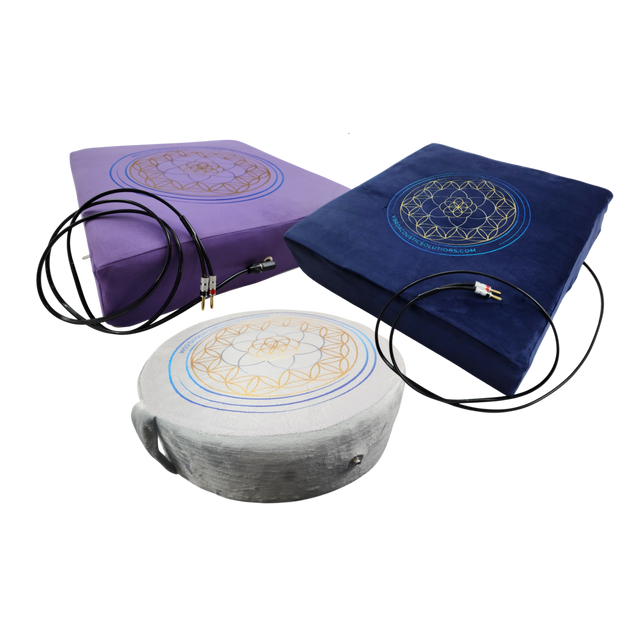
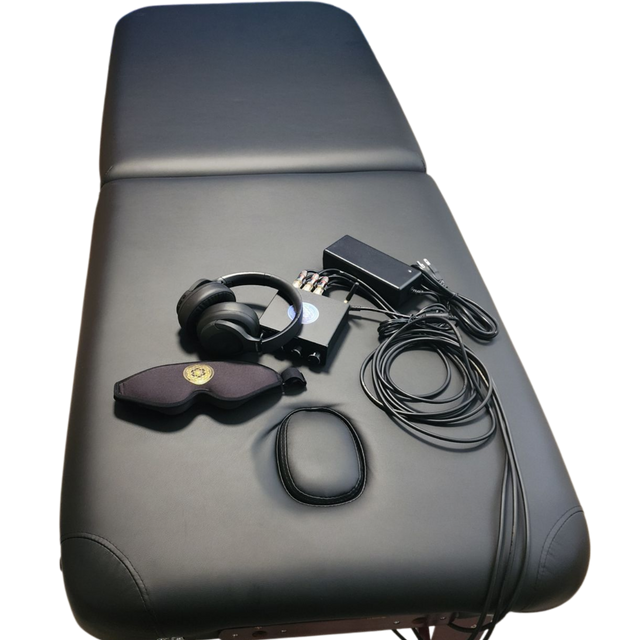
Low-frequency vibroacoustic therapy can fit naturally into this process. In a vibroacoustic system, sound frequencies are converted into physical vibration through transducers in a bed, cushion, or treatment-table attachment. Frequencies commonly used for body-based listening range from approximately 30 to 120 Hz, where vibration can be felt as a broad, rhythmic sensory experience rather than simply heard.
That mechanical input interacts with sensory receptors in the skin, muscles, and connective tissue. Slow, predictable vibration can provide a powerful cue for interoception - the brain’s awareness of internal body state - while calming music and supported positioning reduce the demand to do more. The aim is not to force recovery. It is to create conditions that make downshifting more available.
How to Support Post Workout Recovery With Fuel and Fluids
Start with the basics because no recovery technology can replace adequate energy intake. After training, muscles are especially ready to take up glucose and begin restoring glycogen. This matters most when workouts are long, highly intense, or repeated within the same day.
A practical post-workout meal includes carbohydrate, protein, fluids, and enough sodium to replace what was lost through sweat. The International Society of Sports Nutrition recommends roughly 0.25 to 0.40 grams of high-quality protein per kilogram of body weight per meal for many active adults. For a 160-pound person, that is approximately 18 to 29 grams of protein, although total daily intake and individual goals matter more than perfect timing.
Carbohydrate needs depend on the session. Someone who completed a relaxed 30-minute walk may simply eat their normal balanced meal. An endurance athlete, field-sport athlete, or person completing a second hard session may benefit from making carbohydrate a more intentional part of recovery through foods such as fruit, rice, potatoes, oats, beans, or whole-grain bread.
Hydration deserves similar nuance. Clear urine is not the only marker of hydration, but persistent thirst, headache, dizziness, unusually dark urine, or an elevated heart rate after exercise can indicate a need for more fluids. If clothing is salt-streaked after a workout or sweat loss is substantial, water plus electrolytes can be more useful than water alone.
Use Movement to Restore Range, Not Add Stress
The right kind of movement can reduce the heavy, stagnant feeling that often follows hard training. A five- to 15-minute cool-down walk, easy cycling, or gentle range-of-motion work maintains circulation without extending the workout. This is particularly useful after long periods of sitting following a gym session.
Mobility should feel like an invitation, not a test. Choose slow hip circles after a run, thoracic rotation after lifting, or light shoulder movement after swimming. If a stretch produces sharp pain, numbness, instability, or a sense that something is not right, stop and seek appropriate clinical guidance.
Foam rolling and self-massage can also be helpful for temporary comfort and perceived stiffness. Research reviews generally find modest improvements in range of motion and delayed-onset soreness, especially when these tools are used briefly and consistently. They are valuable additions, but they do not need to become an aggressive ritual. More pressure is not automatically more therapeutic.
Add Vibroacoustic Therapy for Somatic Downshifting
Post-workout recovery is often discussed as a muscular issue, yet many people remain neurologically activated long after their session ends. They may be physically tired but mentally restless, unable to eat calmly, settle into sleep, or stop replaying the day. This is where a vibroacoustic session can be especially supportive.
A supported reclined position reduces postural work. Low-frequency vibration delivered through a full-body bed, massage table, or cushion gives the body consistent tactile information, while sound can establish a predictable rhythm for attention and breath. Many people describe the experience as a sense of heaviness, warmth, or being more fully present in the body.
For general recovery, begin conservatively with 15 to 30 minutes at a comfortable, clearly perceptible level. Frequencies in the 40 to 80 Hz range are often experienced as deeply grounding in the torso and larger muscle groups, while lower frequencies around 30 to 40 Hz can feel especially spacious and settling. The best setting is individual: body size, transducer placement, music, training load, and sensory preferences all influence the experience.
A 2022 systematic review of vibroacoustic therapy literature noted promising effects across pain, relaxation, and quality-of-life outcomes, while also highlighting the need for more standardized protocols. That is a useful reminder for practitioners: use vibroacoustic therapy as a responsive clinical-grade tool, not a one-size-fits-all prescription. Ask clients what they notice in their breathing, muscle tone, and overall sense of ease.
For a home recovery practice, pair the session with slow nasal breathing without trying to control every inhale. A longer, unforced exhale can support a shift toward parasympathetic activity. If stillness feels uncomfortable after intense exercise, start with a shorter session or use a vibroacoustic cushion while seated rather than lying down.
Protect the Recovery Window at Night
Sleep is one of the most potent recovery resources available. Deep sleep supports physical restoration, while sufficient total sleep helps regulate pain sensitivity, mood, appetite, coordination, and training readiness. A single poor night does not erase progress, but repeated sleep restriction changes how recovery feels and how well the body tolerates load.
Create a clear transition between training and bed. Eat a nourishing meal, lower bright light, and give yourself time to cool down physically and mentally. A brief vibroacoustic session in the evening can become a reliable boundary between performance mode and rest, especially for people whose work, caregiving, or training schedules keep their nervous systems engaged late into the day.
Keep the volume and vibration intensity comfortable. Recovery work should not become another source of sensory demand. For clients with migraine sensitivity, concussion history, pregnancy, implanted medical devices, acute injury, or other health considerations, individualized guidance from a qualified healthcare professional is appropriate before using any vibration-based modality.
Let Your Next Workout Be the Feedback
Good recovery is not always the absence of soreness. It may look like steadier energy, normalizing mood, improved sleep, less guarding in the body, and the ability to return to training with coordination and confidence. Conversely, persistent exhaustion, declining performance, disrupted sleep, unusual irritability, or pain that changes how you move are signals to reduce load and seek support when needed.
Vibroacoustic Solutions systems are designed to make this kind of intentional nervous system care available in homes and professional settings. Whether the setup is a full vibroacoustic bed or an attachment integrated into an existing treatment table, the value lies in making restoration a practice rather than an afterthought.
The most useful recovery plan is the one you can repeat: eat enough, hydrate thoughtfully, move gently, sleep consistently, and give your body a quiet sensory environment in which to recognize that the work is done.
Latest posts