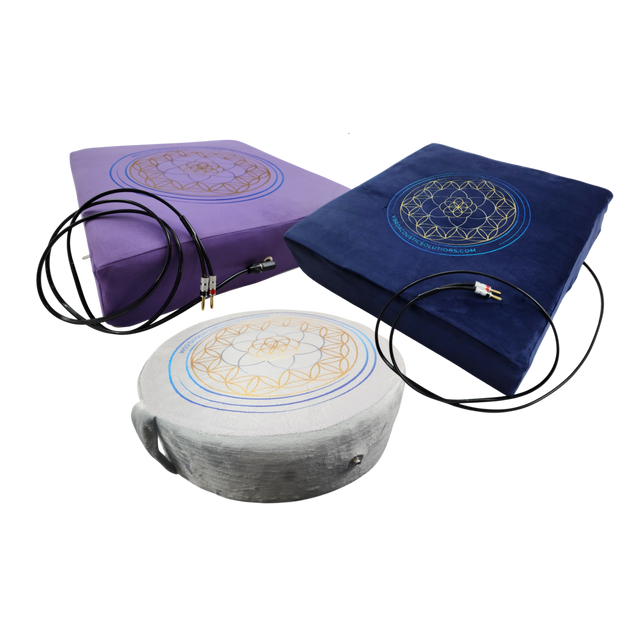
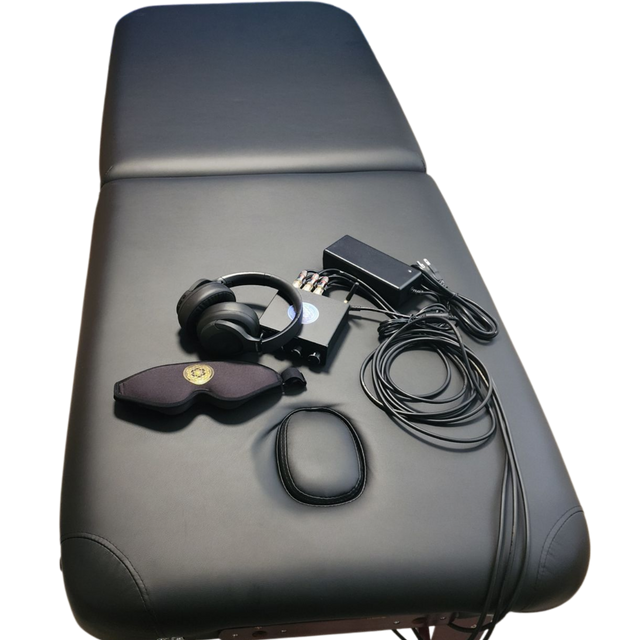
Stress does not just live in the mind. It shows up in muscle guarding, shallow breathing, poor sleep, sensory overload, and a nervous system that never fully shifts out of alert mode. That is where understanding How a Vibroacoustic Therapy Sound Table works becomes useful. This is not simply music played through a massage table. It is a clinical-grade method of delivering low-frequency sound vibrations into the body to support regulation, relaxation, pain relief, and recovery.
A vibroacoustic therapy sound table combines two inputs at the same time: audible sound through speakers or headphones, and mechanical vibration delivered through transducers embedded in the table surface. Those low frequencies are felt as pulsing, resonant waves through the body. Instead of hearing sound only through the ears, the body experiences sound as touch.
For many people, that full-body input is what makes the therapy feel different from standard relaxation tools. It engages the sensory system directly, which can help shift body tension patterns that are difficult to reach through talk-based or purely cognitive approaches.
What a vibroacoustic therapy sound table actually does
At its core, a vibroacoustic table converts audio frequencies into physical vibration. Specialized transducers mounted inside or beneath the table respond to programmed sound signals, usually in the low-frequency range. As the frequencies play, the table surface gently vibrates in patterns that travel through muscles, fascia, and connective tissue.
This process is often described as cellular micro-massage, but that phrase only tells part of the story. The effect is not limited to local muscle relaxation. Low-frequency stimulation can influence the autonomic nervous system, breathing rhythm, circulation, and overall sensory processing. Depending on the frequency, intensity, and session design, the same table can be used for calming, grounding, recovery support, or deeper body-based therapeutic work.
That flexibility matters in both home and clinical settings. A practitioner may use the table to help a client settle before hands-on work, while a home user may use it in the evening to downshift before sleep. The hardware is the delivery system, but the therapeutic value comes from how the frequencies interact with the body.
How a Vibroacoustic Therapy Sound Table affects the nervous system
The most important mechanism is nervous system regulation. When low-frequency vibration is delivered in a controlled, predictable way, the body often responds by reducing defensive tension. Muscles soften, breathing slows, and the system begins moving away from high-alert sympathetic activation and toward a more regulated parasympathetic state.
This matters for people dealing with chronic stress, trauma-related tension, burnout, sensory dysregulation, or sleep disruption. Many of these conditions involve a body that has difficulty feeling safe enough to settle. Vibroacoustic therapy offers a non-invasive form of rhythmic sensory input that can help restore that sense of internal stability.
There is also growing interest in the role of sound vibration in vagal regulation. While a sound table is not a direct vagus nerve treatment device, low-frequency auditory and vibrational input may support some of the physiological conditions associated with vagal tone, including slower breathing, reduced arousal, and improved relaxation response. In practical terms, people often report feeling grounded, heavier in the body, and more able to rest.
Not every person responds the same way. Some individuals need very gentle settings and shorter sessions, especially if they are highly sensitive, pain-sensitive, or prone to sensory overwhelm. In clinical practice, the dosage matters as much as the technology.
The role of frequency in therapeutic outcomes
Frequency is one of the reasons vibroacoustic therapy should be taken seriously as a somatic health technology. Different frequencies can produce different effects, and session design is not random.
Lower frequencies are commonly associated with grounding, relaxation, and deep body awareness. Some frequency protocols are used to support muscle release, while others are chosen for calming the nervous system or creating a steady rhythmic experience that helps organize sensory input. The goal is not just to make the table vibrate. The goal is to deliver precise stimulation that matches the user’s needs.
This is where a science-based approach separates therapeutic vibroacoustic equipment from generic vibrating furniture. A clinical-grade system is built to reproduce frequencies accurately and consistently. That consistency is what allows practitioners to use symptom-based protocols and lets home users build a repeatable wellness routine instead of relying on guesswork.
Music selection also matters. In many systems, the therapeutic frequencies are embedded within or paired with calming audio tracks. The listener hears music, ambient sound, or guided audio while the body receives synchronized vibration. When the audible and tactile inputs are matched well, the experience tends to feel more immersive and more regulating.
Why the body responds differently than it does to ordinary sound
Listening to relaxing music through headphones can be soothing, but a sound table adds a second channel of perception. Vibration reaches the body through direct contact, which changes how the sensory system receives and interprets the experience.
That tactile component is especially valuable for people who struggle to relax through mental effort alone. Someone can understand that they need rest and still feel physically braced. A vibroacoustic table works from the bottom up. It gives the body patterned sensory information that can interrupt stress loops and create a more immediate felt sense of safety.
For clients in massage therapy, somatic therapy, recovery work, or integrative wellness settings, this often improves receptivity. The table can help reduce guarding before manual treatment or deepen rest afterward. For home users, it can create a structured reset that feels more substantial than passive listening and less physically demanding than other recovery tools.
Common uses in home and professional settings
A vibroacoustic therapy sound table is used across a wide range of wellness and therapeutic applications. Pain management is one of the most common. People with chronic pain, muscle tension, or post-exertion soreness often use low-frequency sessions to encourage relaxation and reduce pain-related guarding.
Sleep support is another major use case. Many people have trouble sleeping because their body never fully powers down. Evening sessions can help shift the nervous system out of a hyperaroused state, making it easier to fall asleep and stay asleep.
In practitioner settings, vibroacoustic tables are often integrated into massage therapy, trauma-informed bodywork, meditation sessions, sound therapy, and wellness recovery protocols. They can also support sensory regulation for clients with autism, ADHD, or high sensory stress, provided the settings are introduced carefully and matched to tolerance.
For clinics and practices, one advantage is adaptability. Some providers want a dedicated vibroacoustic bed, while others prefer conversion kits that retrofit an existing massage table. That kind of modular access has helped make the modality more realistic for smaller businesses and home users who want evidence-based tools without investing in an entirely new setup.
What a session feels like
Most first-time users expect a sound table to feel like a massage chair. It usually does not. The sensation is more subtle and more immersive. Instead of kneading or percussion, the body feels steady waves, pulses, and resonant tones moving through the contact points of the table.
Some frequencies feel deeply calming. Others feel more activating or toning. During a well-designed session, users often notice their breath changing first. Then the jaw, shoulders, or abdomen begin to soften. For some people, the shift is emotional as much as physical, because the body is finally experiencing enough support to let go of held tension.
That said, more intensity is not always better. Effective vibroacoustic therapy is about appropriate stimulation, not maximum force. Gentle, targeted vibration is often more regulating than strong vibration, especially for people with nervous system sensitivity.
Who benefits most from this technology
People who tend to benefit most are those dealing with chronic stress, sleep disruption, physical tension, sensory overload, recovery needs, or difficulty settling into rest. It can also be useful for practitioners looking to create a deeper therapeutic environment without adding strain to their own hands-on workload.
The best results usually come when the table is used consistently and with a clear purpose. A person using it three times a week for sleep support may notice cumulative improvement over time. A clinician using it as part of a broader treatment plan may find that clients regulate faster and stay more present during sessions.
Vibroacoustic Solutions has helped make that kind of access more practical by offering systems for both dedicated therapy spaces and existing tables or furniture. That matters because the therapy becomes more useful when it fits real homes, real clinics, and real budgets.
What to look for in a sound table system
If you are considering a vibroacoustic sound table, the key question is not just whether it vibrates. It is whether the system is designed for therapeutic precision. Frequency accuracy, transducer quality, comfortable body support, session control, and protocol flexibility all affect outcomes.
It is also worth considering who will use it and why. A home user focused on stress and sleep may need simplicity and comfort. A practitioner may need a system that supports different client presentations, body sizes, and treatment goals. In both cases, reliable engineering and education matter more than flashy features.
When the technology is built well and used thoughtfully, a vibroacoustic therapy sound table becomes more than a relaxation device. It becomes a practical tool for somatic regulation, pain support, and nervous system recovery - one that helps the body do what it often struggles to do on its own: settle, repair, and feel safe enough to rest.
Latest posts


Vibroacoustic Systems for Therapeutic Regulation
Read article