A low frequency sound vibrating bed can feel surprisingly simple from the outside - you lie down, sound plays, and the body receives gentle vibration through the surface beneath you. But the therapeutic effect is not just about relaxation. When designed correctly, this type of system delivers targeted low-frequency sound waves into the body in a way that may support nervous system regulation, pain relief, muscle recovery, sensory integration, and deeper rest.
For people dealing with chronic stress, sleep disruption, trauma-related tension, or persistent physical discomfort, that matters. For practitioners, it opens up a non-invasive tool that can deepen hands-on work without adding force or complexity. The real value is not the novelty of vibration. It is the way sound and resonance interact with the body’s tissues, breath, and autonomic state.
What a low frequency sound vibrating bed actually does
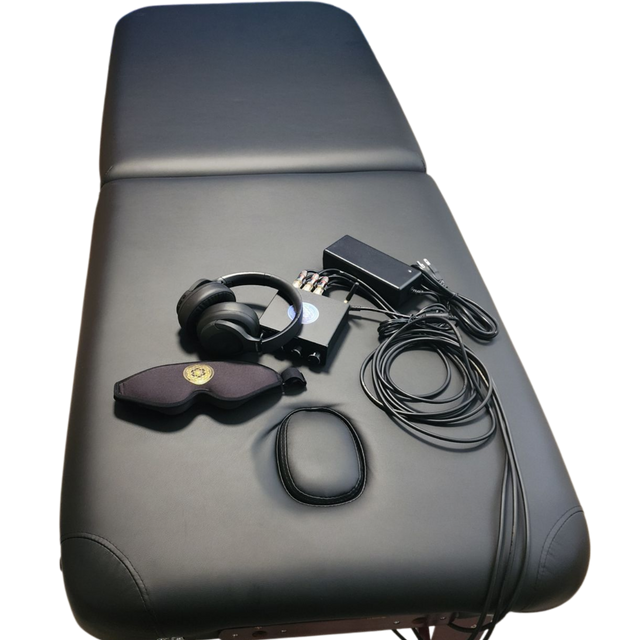
A low frequency sound vibrating bed uses transducers or embedded vibroacoustic components to convert audio frequencies into physical vibration. Instead of only hearing sound through the ears, the body also feels it through direct contact. This is a key distinction. The experience is not standard music playback, and it is not the same as a traditional massage bed that uses mechanical motors.
In vibroacoustic therapy, specific low-frequency tones are selected because they produce measurable physical stimulation. Those frequencies travel through the treatment surface and into the body, creating what is often described as a cellular micro-massage. In practical terms, users may notice soft pulsing, rhythmic vibration, reduced muscular guarding, and a shift from sympathetic arousal toward a calmer parasympathetic state.
That does not mean every vibrating bed is therapeutic. The quality of the transducers, the consistency of frequency delivery, the structure of the bed, and the programming all affect outcomes. A consumer device built for novelty may feel stimulating but not clinically useful. A clinical-grade system is designed to deliver predictable low-frequency input that supports regulation rather than overwhelm.
Why low frequencies matter in vibroacoustic therapy
Low frequencies are effective because they are felt deeply. Higher frequencies are often perceived more as sound. Lower frequencies can be experienced as movement, pressure, and resonance in the body. This makes them useful in somatic care, where the goal is often to help the body shift state rather than simply provide cognitive stimulation.
This is where a low frequency sound vibrating bed becomes more than a comfort product. The body responds to rhythm. Steady low-frequency stimulation may encourage slower breathing, reduced muscle tension, and improved body awareness. For people who struggle to settle during meditation or conventional relaxation practices, tactile sound can offer a more direct entry point. The nervous system does not need to work as hard to "figure out" what to do. It receives clear sensory input that can feel grounding and organizing.
There is also a practical therapeutic advantage here. Some users are touch-sensitive, pain-sensitive, or dysregulated in ways that make manual bodywork difficult. Low-frequency vibroacoustic stimulation can provide sensory support without requiring deep pressure or invasive intervention. For clinicians working with trauma, autism, ADHD, chronic pain, or post-exertion recovery, that flexibility is often one of the strongest reasons to use this modality.
Benefits people often look for
Most people searching for a low frequency sound vibrating bed are not looking for entertainment. They are looking for relief. In both home and professional settings, the most common goals are stress reduction, pain support, improved sleep, and a greater sense of regulation.
For stress and anxiety, the main benefit is often state change. When the body receives slow, rhythmic vibration, it may begin to release protective tension patterns. Many users report that the vibration gives them something safe and predictable to orient to. That can help quiet mental overactivity and reduce the feeling of being "stuck on."
For pain, the response can vary depending on the condition. Vibroacoustic therapy is not a cure for structural injury, and it should not replace appropriate medical care. But it may help reduce secondary muscle guarding, improve relaxation around painful areas, and support more comfortable rest. Conditions involving chronic tension, overuse, or centralized pain patterns may respond differently than acute trauma or inflammation. This is one area where proper expectations matter.
For sleep, timing and frequency selection are important. Many users benefit from sessions in the evening because the body begins to associate the low-frequency input with settling down. Over time, that can support better pre-sleep regulation. It is not sedation. It is a shift toward a physiological state that is more compatible with sleep.
For sensory regulation, the benefits may be especially meaningful. Individuals with autism, ADHD, or high sensory stress often need input that is structured, predictable, and body-based. A vibroacoustic bed can provide that in a way that feels contained and consistent. The result may be improved calm, better transitions, or simply a more tolerable entry point into therapeutic work.
What it feels like during a session
One of the biggest barriers for new users is uncertainty. They want to know if the experience feels intense, strange, or overly mechanical. In a properly calibrated system, it usually feels gentle, rhythmic, and immersive rather than aggressive.
Some frequencies may be perceived in the chest, hips, back, or legs more than others. That is normal. The body does not receive all frequencies uniformly, and body size, posture, mattress density, and contact points all influence the experience. Some users feel immediate relaxation. Others notice release gradually over several sessions.
It also depends on the goal. A session designed for grounding may feel different from one designed for post-workout recovery or pain relief. In clinical use, practitioners often adjust timing, volume, and frequency range based on the client’s sensitivity and presenting symptoms. More intensity is not always better. For a dysregulated nervous system, gentle and consistent often produces the best response.
Home use vs practitioner use
For home users, the biggest advantage is access. A low frequency sound vibrating bed brings therapeutic sensory input into daily life without requiring appointments or ongoing travel. That can be especially helpful for people managing chronic stress, insomnia, or recovery needs that benefit from regular sessions.
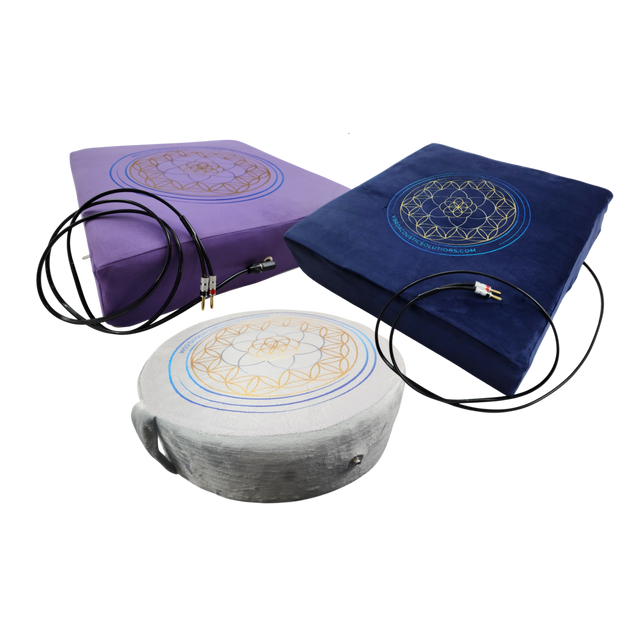
The challenge at home is usually setup and selection. Buyers need to think about whether they want a full bed, a cushion-based system, or a conversion kit for existing furniture. Space, budget, and intended use all matter. Someone who wants occasional relaxation may need something different from a user managing daily nervous system dysregulation.
For practitioners, the value is often in treatment enhancement. Vibroacoustic therapy can be integrated into massage, somatic therapy, meditation support, recovery sessions, or sensory regulation work. It helps create a more embodied therapeutic experience while reducing the need for constant manual input. That can be useful in clinics where practitioner energy, session flow, and client tolerance are all real considerations.
This is also where system quality becomes more important. Practitioners need equipment that is reliable, repeatable, and appropriate for different populations. The best systems support both therapeutic precision and practical workflow.
How to choose the right low frequency sound vibrating bed
The first question is not which model looks best. It is what problem you are trying to solve. If your primary goal is better sleep and stress relief, you may prioritize comfort, ease of use, and calming session design. If you are a provider working with pain, trauma, or sensory regulation, you will likely need more control over frequencies, session structure, and installation options.
Pay attention to whether the system is truly designed for vibroacoustic therapy or simply marketed as vibration. That difference affects everything from sound quality to therapeutic consistency. It is worth asking how the vibration is generated, what frequency ranges are supported, and whether the product is built for sustained therapeutic use.
You should also consider body contact. A system can only deliver effective tactile sound where the body is actually receiving it. Surface design, padding, and transducer placement influence how evenly the sound is felt. In some cases, a retrofit kit or dedicated cushion may make more sense than replacing an entire treatment table or bed.
Brands such as Vibroacoustic Solutions appeal to both home users and professionals because they bridge that gap between affordability and clinical-grade intent. That balance matters in a field where many people want evidence-based support without committing to highly specialized, inaccessible equipment.
Who may benefit most
This modality tends to be especially relevant for people seeking non-invasive support for stress load, muscle tension, poor sleep, chronic pain patterns, and sensory dysregulation. It may also appeal to practitioners who want a body-based tool that complements existing services rather than replacing them.
That said, not every person responds the same way. Some people love immediate full-body resonance. Others need a slower introduction. Individuals with certain medical conditions, implanted devices, or significant sensory sensitivity may need additional screening or modified use. Therapeutic technology works best when it is matched to the person, not just the symptom.
The strongest reason people continue using a low frequency sound vibrating bed is not that it feels impressive during one session. It is that regular, well-designed use can help the body practice a state many people have trouble accessing on their own - one that feels safer, quieter, and more regulated.
Latest posts


Vibroacoustic Systems for Therapeutic Regulation
Read article