A nervous system does not respond to a wellness promise. It responds to input: pressure through the body, sound through the ears, breath-related changes in heart rhythm, light at the eyes, and cues of safety arriving over time. That is why the most meaningful nervous system technology trends are moving beyond passive tracking toward tools that create a measurable sensory experience for regulation, recovery, and therapeutic care.
For home users, this shift means more options that feel practical rather than clinical or intimidating. For practitioners, it opens a more intentional way to prepare clients for bodywork, support downregulation between sessions, and build treatment environments that respect the physiology of stress. The question is no longer whether technology belongs in somatic care. It is how to choose technology that matches the person, the setting, and the therapeutic goal.
Nervous System Technology Trends Shaping Care
From tracking stress to guiding a response
Wearables have made heart rate variability, sleep stages, respiratory rate, and skin temperature familiar metrics. Heart rate variability, or HRV, reflects the variation in time between heartbeats. Because autonomic activity influences that variation, HRV can offer a useful window into recovery load and stress patterns when viewed over days and weeks rather than judged from one reading.
The next step is closed-loop feedback. Instead of simply reporting that a person had a restless night, newer systems prompt paced breathing, adjust an audio session, or suggest a brief recovery practice when physiological signals change. The physical mechanism is straightforward: slow, comfortable breathing often near five to six breaths per minute can strengthen respiratory sinus arrhythmia, the natural rise and fall of heart rate with breathing. For many people, that rhythm creates a tangible route back to a steadier internal state.
This trend is valuable, but data needs context. HRV varies with age, training load, illness, alcohol, medication, menstrual cycles, sleep, and the time of day. A lower score is not a personal failure or a diagnosis. It is a signal to meet the body with curiosity and, when needed, to bring patterns to a qualified healthcare professional.
Vagal-focused tools become more accessible
The vagus nerve carries information between the brain and major organs, including the heart, lungs, and digestive system. It is a central pathway in parasympathetic regulation, which is why technologies designed around breath, vocalization, temperature, gentle electrical stimulation, and sensory cues have become so prominent.
Some devices use transcutaneous stimulation at the ear or neck, while non-electrical tools use extended exhales, humming, vocal toning, or cooling sensations around the face. These approaches are not interchangeable. Electrical stimulation has specific device design, contraindication, and professional-guidance considerations. Breath and voice-based practices are generally easier to integrate, although comfort still matters for people with trauma histories, dizziness, respiratory conditions, or sensory sensitivity.
What connects them is the goal: offering the nervous system a predictable, repeatable cue that supports a shift out of mobilization. The most useful technology does not force calm. It creates conditions in which the body can recognize safety at its own pace.
Vibroacoustic therapy moves into the regulation conversation
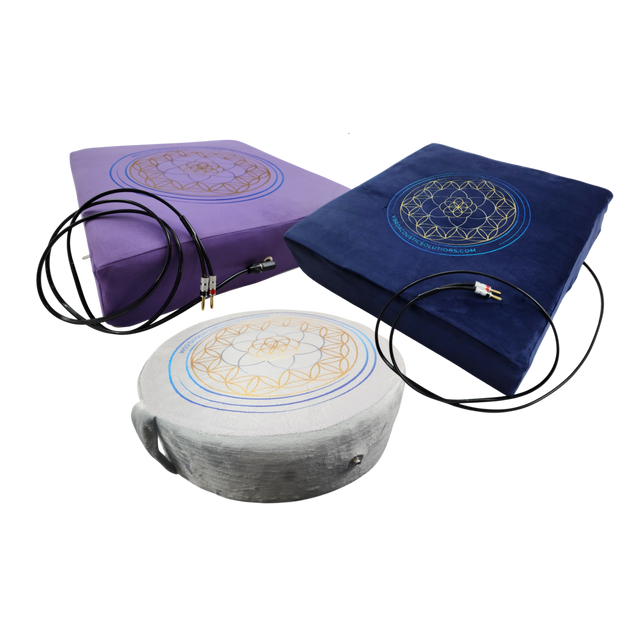
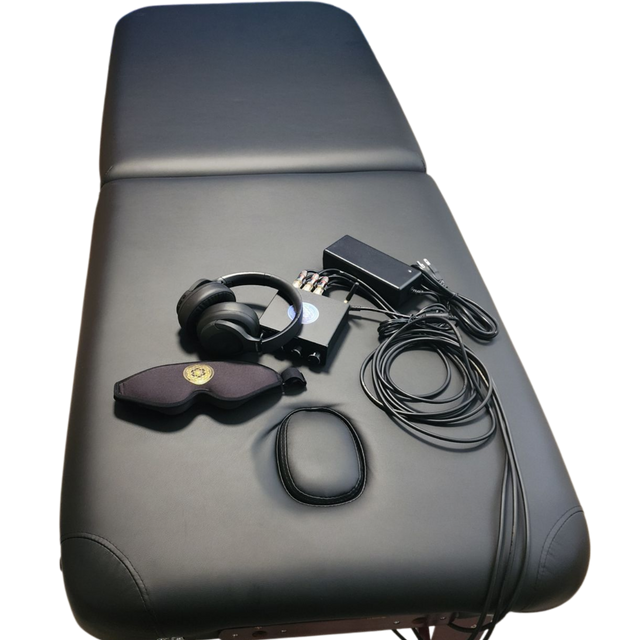
Vibroacoustic therapy is gaining attention because it delivers low-frequency sound as a whole-body experience, not merely something heard through speakers. Transducers placed inside a bed, cushion, chair, or treatment-table attachment convert audio signals into tactile vibration. The body receives mechanical stimulation through contact points while music or therapeutic sound provides an auditory layer.
In most vibroacoustic applications, the tactile range commonly sits around 20 to 120 Hz, where low frequencies are readily felt through the body. At these frequencies, vibration can create gentle rhythmic movement in soft tissue. This is often described as cellular micro-massage: repeated mechanical input that may help a person perceive muscle release, bodily grounding, and a transition from guarding to rest.
The experience also matters neurologically. Slow, steady vibration gives the brain clear sensory information. For someone who feels scattered, tense, or disconnected from their body, that information can be organizing. For a client already overwhelmed by touch, sound, or movement, the same session may need a lower intensity, shorter duration, or a more selective frequency range. Regulation is individualized, not one-size-fits-all.
Research on vibroacoustic interventions has explored outcomes including relaxation, pain perception, anxiety, motor function, and quality of life across varied populations. Study designs and protocols differ, but the emerging clinical interest is understandable: low-frequency vibration is non-invasive, adjustable, and compatible with restorative practices such as massage, guided breathing, meditation, and recovery-focused rest.
Why Frequency Design Matters More Than a Playlist
A vibroacoustic session is not defined by a single special number. Frequency, amplitude, duration, body position, music selection, and the listener's current state all shape the response.
Lower frequencies in the 20 to 40 Hz range are often experienced as deep, grounding, and physically substantial, especially through a bed or table. Frequencies around 40 Hz have attracted research attention in sensory stimulation and neurological contexts, while 60 to 100 Hz may feel more localized or energizing depending on the transducer, surface, and volume. These are useful design ranges, not universal prescriptions.
Music also changes the session. Slow tempos, gentle dynamics, and predictable phrasing can reduce the sense of demand on an overloaded nervous system. Rhythmic music may be more appropriate for alertness, movement, or post-exercise recovery. Some listeners feel deeply connected to 432 Hz music, Solfeggio tones, or the approximately 7.83 Hz Schumann resonance, drawn by their cultural meaning, contemplative quality, and felt sense of resonance. In a vibroacoustic setting, the audible track can be paired with low-frequency tactile signals so the experience is both emotionally meaningful and physically felt.
The practical lesson is to avoid chasing frequency claims in isolation. A comfortable 25-minute session at a modest intensity may be more supportive than a powerful session built around a number that sounds impressive. The nervous system often responds well to consistency, choice, and enough time to settle.
Technology Is Becoming More Modular
Another of the most useful nervous system technology trends is modular design. People do not always need a dedicated therapy room or a large clinical installation to begin using tactile sound. A cushion can support a calming practice in a favorite chair. A massage table attachment can bring low-frequency vibration into an established treatment without replacing the table. DIY conversion kits allow a practitioner or home user to turn existing furniture into a vibroacoustic surface.
This matters because access shapes adherence. A system that fits naturally into a bedtime routine, a post-work decompression practice, or the first ten minutes of a massage appointment is more likely to be used than one that requires a major setup each time.
For clinics, modular systems also make experimentation more responsible. A massage therapist may begin with short, low-intensity sessions during intake or after bodywork. A somatic practitioner may offer clients control over volume and vibration level, then observe whether the input supports orientation, breath, and a sense of choice. Vibroacoustic Solutions designs systems around this practical flexibility, bringing clinical-grade tactile sound to beds, cushions, and existing treatment tables.
What to Look for Before Adding a Device
A useful nervous system technology should make the body feel more informed, not more managed. Before purchasing, consider whether the system offers adjustable intensity, reliable low-frequency output, comfortable body contact, and controls simple enough to use when tired or stressed. For a professional setting, sanitation, durability, client positioning, and the ability to integrate the system into a session flow matter just as much as technical specifications.
It also helps to define the intended use. A home user seeking better evening downshifting may prioritize quiet operation and a compact cushion. A practitioner working with chronic muscular tension may need a full-body surface and broader control over session design. Someone with sensory processing differences may benefit from starting with brief exposures, predictable sound, and the ability to stop immediately.
People with implanted electrical devices, acute injuries, pregnancy-related questions, significant cardiovascular concerns, or complex neurological conditions should consult an appropriate licensed clinician before using vibration or stimulation technology. This is especially relevant when adding electrical vagal stimulation or using high-intensity settings.
The best nervous system technology is rarely the device with the most features. It is the one that gives a person a safe, repeatable way to notice their body, adjust the input, and return to a steadier baseline. Start gently, track what actually changes in sleep, tension, mood, or recovery, and let the body's response guide the next session.
Latest posts