A grocery store’s fluorescent lights, overlapping conversations, a cart wheel squeaking nearby, and an unexpected touch on the shoulder can become far more than minor annoyances. When the brain and body cannot sort, filter, or recover from incoming input quickly enough, sensory overload signs can appear with surprising force. The experience is real, physical, and often deeply exhausting.
Sensory overload is not a failure of resilience or a lack of willpower. It is a nervous system capacity issue. The most helpful response is rarely to push through harder. It is to notice the body’s early signals, reduce the demand where possible, and create conditions that support regulation.
What sensory overload feels like in the body
The nervous system constantly receives information from sight, sound, touch, movement, temperature, smell, internal sensations, and social cues. Much of this processing happens below conscious awareness. Under ordinary conditions, the brain prioritizes what matters and lets the rest fade into the background.
During stress, poor sleep, illness, pain, major life change, or extended social demand, that filtering process can become less efficient. The autonomic nervous system may shift toward a protective state, increasing vigilance and making ordinary sensations feel sharp, urgent, or impossible to ignore. For people with autism, ADHD, trauma histories, migraines, chronic pain, or anxiety, this threshold may be reached more quickly or more often. It can also happen to anyone after a demanding week.
This is why overload can feel like both a mental and physical event. The body may brace through the shoulders, jaw, abdomen, and hands. Breathing can become shallow. Heart rate may rise. Thoughts may speed up, fragment, or suddenly go blank. There is no single universal presentation, but the pattern often involves a growing mismatch between the amount of input coming in and the nervous system’s available capacity to process it.
Common sensory overload signs
Early recognition creates more choices. Some people become restless and talk faster. Others become quiet, withdrawn, or unable to answer simple questions. Sensory overload signs may build gradually over hours or arrive quickly in a crowded, noisy, or emotionally intense setting.
Common physical and emotional signals include:
- Feeling unusually irritated by sounds, lights, textures, smells, or touch
- Covering the ears, squinting, avoiding eye contact, or needing to leave a room
- Muscle tension, headache, nausea, dizziness, sweating, shaking, or a racing heart
- Trouble finding words, following a conversation, making decisions, or remembering what was just said
- Sudden tears, anger, panic, numbness, shutdown, or an intense need to be alone
- Repetitive movements such as pacing, rocking, tapping, rubbing the hands, or seeking deep pressure
Overload, shutdown, and meltdown are different states
Overload refers to the point at which incoming stimulation exceeds what feels manageable. A shutdown may follow when the system conserves energy by becoming quiet, still, detached, or unable to respond. A meltdown is a more outward release that can involve crying, shouting, agitation, or an urgent attempt to escape.
Neither shutdowns nor meltdowns are manipulative behavior. They are signs that regulation resources have been depleted. The immediate priority is reducing demands and restoring a sense of safety, not insisting on explanations, eye contact, or problem-solving.
Why low-frequency vibration can feel grounding
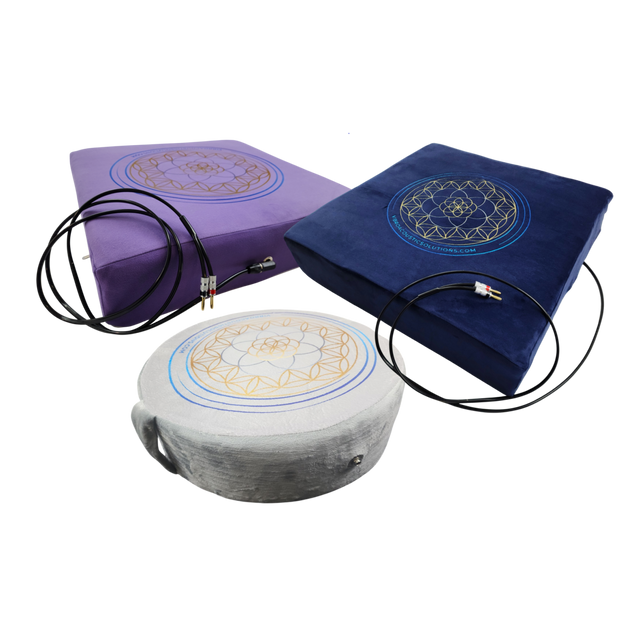
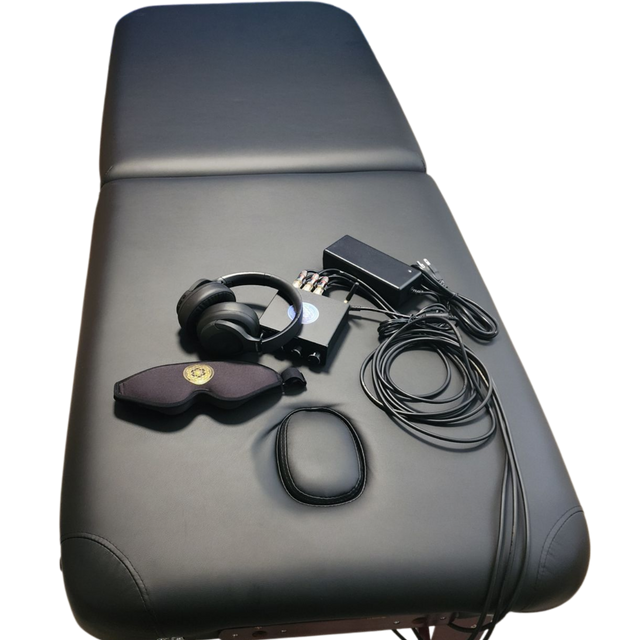
Sound is not only heard through the ears. Low-frequency sound can also be felt through the body as mechanical vibration. When a transducer sends a carefully selected audio signal into a bed, cushion, or treatment table, it creates gentle movement through the surface supporting the body. This tactile component is the foundation of vibroacoustic therapy.
Vibroacoustic systems commonly work within approximately 20 to 120 Hz, a range that is felt more as vibration than as a musical melody. Lower frequencies, often around 30 to 60 Hz, can create a slow, spacious physical sensation through large muscle groups and soft tissue. The effect depends on the device, volume, body position, individual sensitivity, and whether calming music or tones are layered above the low-frequency signal.
For someone who is overloaded, predictability matters. A steady, controllable vibration delivered while lying or sitting in a supported position may offer a more organized sensory experience than the unpredictable sound, motion, and social demands of a busy environment. The body receives consistent tactile information while external stimulation is reduced. Many people describe this as settling, centering, or easier to breathe through.
Research into vibroacoustic therapy has explored its role in relaxation, perceived stress, muscle tension, pain experience, and quality of life across varied settings. Findings are particularly interesting because vibration engages the somatic side of regulation: the body is not merely being asked to think calm thoughts. It is receiving rhythmic sensory input through touch and sound.
This approach is not identical for everyone. Some people prefer a very low volume and brief sessions, while others enjoy more noticeable vibration. For highly sound-sensitive individuals, the best starting point is often less stimulation, not more. A clinical-grade system should allow the user or practitioner to adjust intensity, duration, and audio selection with care.
What to do when sensory overload starts
The goal is to lower the total sensory and emotional load before the nervous system reaches a breaking point. Start with the simplest environmental change available. Move to a quieter room, step outside, dim a lamp, put on noise-reducing headphones, or pause a difficult conversation. Even two minutes of less input can shift the trajectory.
Then offer the body a clear, familiar cue of support. This might be a weighted blanket, a warm drink, slow walking, firm pressure through the hands, a shower, or resting on a vibroacoustic cushion with a gentle low-frequency program. Choose what feels regulating rather than what sounds ideal in theory. If a tool increases discomfort, stop and simplify.
Try to reduce decision-making during the peak of overload. Instead of asking, “What do you need?” when words are hard to access, offer two low-demand options: “Would you like quiet or a short walk?” “Lights off or lamp on?” The same principle helps in clinical spaces. Practitioners can establish a simple stop signal, explain the sound level before beginning, and give clients direct control over adjustments.
Build a personal sensory recovery plan
A recovery plan works best when it is created during a calm moment. Note the first three signs that tell you your capacity is narrowing. Then identify the environments, activities, and body states that tend to precede overload. Poor sleep, back-to-back appointments, hungry afternoons, screen-heavy work, pain flares, and noisy gatherings can all lower the threshold.
Create a short sequence that is realistic enough to use. For example: leave the room, drink water, silence notifications, lie down for 10 minutes, and use a familiar low-frequency relaxation track at a comfortable level. A massage therapist or somatic practitioner might build a similar transition into a session, allowing clients a few quiet minutes on the table before returning to conversation or the outside world.
Consistency matters more than intensity. Small regulation practices used before capacity is depleted can be more effective than waiting for a full shutdown. Over time, tracking patterns can also help distinguish sensory strain from other concerns such as migraine, medication effects, sleep disruption, or ongoing anxiety.
When extra support is needed
Sensory overload deserves compassionate attention, especially when it regularly disrupts work, relationships, sleep, eating, driving, or daily responsibilities. A licensed healthcare or mental health professional can help evaluate contributing factors and create an individualized support plan. Seek urgent help if overload is accompanied by thoughts of self-harm, chest pain, fainting, new neurological symptoms, or a sense that you cannot stay safe.
There is nothing indulgent about shaping your environment around nervous system needs. Lowering noise, protecting recovery time, and using steady sensory tools are practical forms of care. The body often communicates its limits before the mind has words for them. Listening earlier can turn sensory recovery from an emergency response into a dependable daily practice.
Latest posts

How to Prepare Sound Sessions That Feel Therapeutic
Read article
Guide to Vibration Intensity Settings for Therapy
Read article