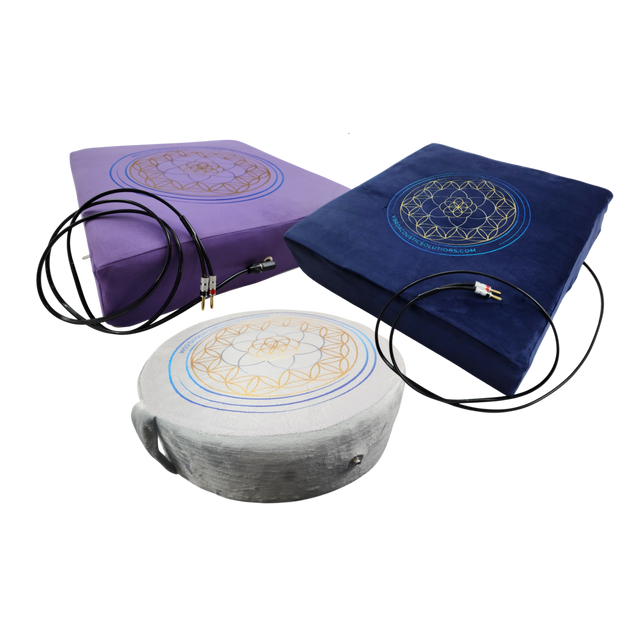
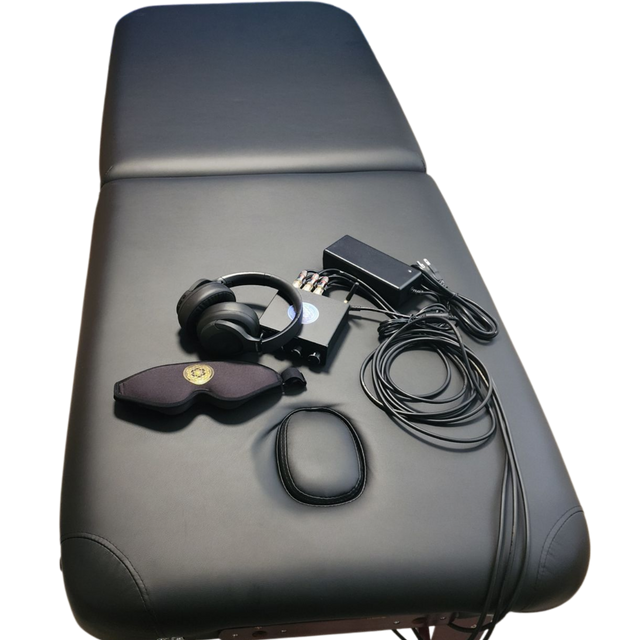
A busy mind is not always the reason sleep feels out of reach. Sometimes the body is still receiving a steady stream of signals that it is time to stay alert: muscle tension, sensory overload, discomfort, irregular breathing, or the accumulated stress of a long day. A sleep therapy device built around vibroacoustic technology gives the body a different kind of input - low-frequency sound that can be felt as gentle vibration - to support a more settled transition into rest.
Unlike ordinary audio, vibroacoustic therapy delivers sound through the body as well as the ears. Transducers placed inside a bed, cushion, or treatment-table attachment convert low-frequency audio into tactile vibration. This physical component is what makes the experience especially relevant for sleep support, nervous system regulation, and recovery routines.
What a Sleep Therapy Device Does Differently
A vibroacoustic sleep therapy device is designed to create a controlled sensory environment. It combines low-frequency vibration, usually within the range of approximately 20 to 120 Hz, with carefully selected music, tones, or therapeutic audio. At lower frequencies, sound becomes less about what we hear and more about what we feel: a slow, steady rhythm moving through the back, hips, legs, and other areas in contact with the surface.
The body responds to rhythm continuously. Heart rate, respiration, gait, and sleep cycles all involve patterned timing. When a person lies on a vibroacoustic surface, consistent low-frequency stimulation may give the nervous system a predictable sensory signal. Predictability matters because the brain is constantly scanning for changes in the environment. A stable, comfortable vibration can make the setting feel quieter and safer, even when the day itself has not been.
This is not the same as a standard massage device. Percussive massage uses mechanical pressure and repeated impact. Vibroacoustic therapy uses sound-generated vibration, often delivered at lower intensities and sustained for longer periods. Many people experience it as a broad, enveloping sensation rather than a localized treatment.
Frequency, vibration, and the relaxation response
Frequency is measured in hertz, or Hz, meaning cycles per second. A 40 Hz tone completes 40 cycles each second; a 60 Hz tone completes 60. In vibroacoustic sessions, practitioners often work with frequencies around 30 to 80 Hz because this range is readily perceived through the body while resting on a bed, mat, or cushion.
Research into vibroacoustic therapy has explored its role in relaxation, pain perception, muscle tension, mood, and physiological regulation. Clinical protocols vary widely, but many use sessions of 20 to 45 minutes with low-frequency stimulation combined with calming music. What matters most for sleep is not finding one universal “best” frequency. It is choosing a sensation that feels grounding rather than stimulating and using it consistently enough for the body to recognize the routine.
Volume and vibration intensity should be considered separately. Low-frequency sound can feel powerful even when audible volume is modest. For bedtime use, a gentler setting is often more useful than a dramatic one. The goal is not to overwhelm the senses. It is to offer the body an organized, low-demand sensory experience.
How Vibroacoustic Sleep Therapy May Support Rest
Sleep is a whole-body process. The transition from wakefulness requires shifts in arousal, temperature, breathing, movement, and attention. A vibroacoustic system cannot force sleep, but it can support the conditions that make winding down more accessible.
For people who carry tension in the jaw, shoulders, low back, or hips, the soft mechanical movement of low-frequency vibration can feel like a form of cellular micro-massage. The vibration travels through soft tissue and contact points, encouraging awareness of areas that may have been braced all day. As physical guarding decreases, it may become easier to settle into a supported position.
Vibroacoustic therapy can also be valuable for people who benefit from sensory consistency. A familiar low-frequency program, used in the same place and at a similar time each evening, can become a meaningful cue for transition. This can be especially supportive for adults with ADHD, autism-related sensory needs, trauma-related tension, or a nervous system that has difficulty moving from activity into rest.
Breathing is another practical entry point. Slow music and gently paced vibration can encourage a person to notice their breath without turning relaxation into another task to perform. Rather than trying to control each inhale, users can let the body follow the steadier pace of the session. If the experience feels calming, the result may be less mental effort at bedtime.
Choosing the Right Sleep Therapy Device Setup
The best setup depends on where and how you plan to use it. A full vibroacoustic bed provides the most immersive contact area and can become a dedicated recovery space at home or in a clinic. Because the body is supported from head to toe, beds are well suited to longer sessions before sleep or as part of a therapeutic treatment plan.
A vibroacoustic cushion is often a practical starting point for home users. It can be placed behind the back, beneath the legs, or on a favorite chair, offering targeted tactile input without changing the whole bedroom. For some people, a cushion is also easier to integrate earlier in the evening, when they are reading, stretching, or decompressing after work.
Massage therapists and integrative practitioners may prefer a table attachment kit or DIY conversion system. These options allow an existing treatment table to become a vibroacoustic surface, adding a sound-based somatic dimension to bodywork, recovery sessions, and relaxation-focused care. A client who struggles to verbalize stress may respond clearly to the experience of being physically supported by low-frequency sound.
When selecting equipment, consider the contact surface, transducer placement, sound source, ease of cleaning, weight capacity, and control options. A system should feel stable and easy to operate in low light. Complex controls can become a barrier when someone is tired and needs a simple, repeatable ritual.
A Practical Bedtime Protocol
The most effective session is usually one that fits real life. Start with 20 minutes, ideally 30 to 60 minutes before the time you want to sleep. Use a low or moderate vibration setting and select audio that has a slow, spacious character. Instrumental music, sustained ambient tones, nature-based soundscapes, and low-frequency therapeutic tracks can all work well.
Set up the room as you would for sleep: dim lighting, a comfortable temperature, and notifications silenced. Lie down in a position that allows your spine, hips, and shoulders to soften into the surface. If you are using a cushion, experiment with placement. Behind the mid-back may feel reassuring for one person, while under the calves or lower back may feel more settling for another.
Avoid treating the session as a test of whether you can fall asleep quickly. Instead, notice practical changes: Are your shoulders lower? Is your breathing less shallow? Does your body feel less compelled to shift position? A sleep routine becomes more sustainable when success is defined by regulation and comfort, not a perfect outcome every night.
When to adjust the session
If you feel more awake, reduce the intensity, shorten the session, or choose less rhythmically active audio. Some users enjoy frequencies near 40 Hz during daytime focus or recovery sessions but prefer slower, softer programs before bed. Others find that gentle music layered over a low-frequency foundation feels more comforting than tones alone.
Consistency is more useful than chasing novelty. Use the same program for several evenings before deciding whether it fits your routine. The nervous system often responds well to familiar sensory cues, and your preferences may become clearer after the initial novelty of the vibration has passed.
Integrating Vibroacoustic Therapy Into Clinical Care
For practitioners, a sleep-focused vibroacoustic session can be offered as a stand-alone regulation experience or integrated before hands-on treatment. Beginning with 10 to 15 minutes of low-frequency vibration may help clients arrive more fully in their bodies before massage, somatic work, or guided relaxation.
It is helpful to frame the technology clearly: this is a non-invasive sensory support tool, not a replacement for medical evaluation or individualized care. Clients with persistent insomnia, significant pain, breathing concerns during sleep, or complex health needs should work with an appropriately qualified healthcare professional alongside any wellness routine.
Vibroacoustic Solutions systems are designed to make this clinical-grade modality practical for both treatment spaces and home environments. The technology is most powerful when it is paired with thoughtful pacing, client comfort, and a clear therapeutic intention.
A good night does not always begin when the lights go out. Sometimes it begins earlier, when the body is finally given a steady, reassuring signal that it can stop holding so much.
Latest posts