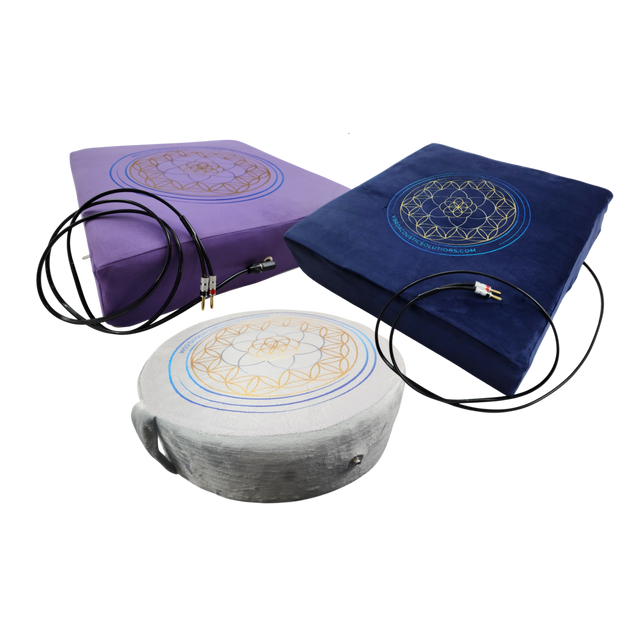
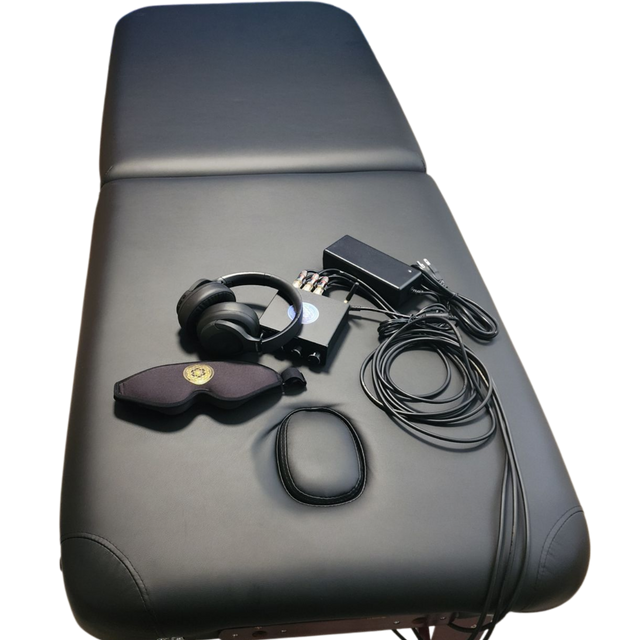
When anxiety lives in the body, talking yourself out of it rarely works fast enough. The shoulders tighten, breathing gets shallow, the chest feels guarded, and the nervous system acts as if a threat is still present. A vibration therapy cushion for anxiety is designed for that moment - not as a cure-all, but as a somatic tool that may help shift the body toward regulation through low-frequency sound and therapeutic vibration.
For many people, anxiety is not just a mental experience. It is physiological arousal. That distinction matters because interventions aimed at the body can sometimes create a level of relief that cognitive strategies alone do not. Vibroacoustic therapy sits in that space between relaxation technology and clinical-grade nervous system support, using sound frequencies delivered through a cushion or padded surface to create measurable vibration in the body.
What a vibration therapy cushion for anxiety actually does
A vibration therapy cushion uses transducers or embedded vibroacoustic components to convert audio frequencies into physical vibration. Instead of only hearing sound, the user also feels it. That physical sensation is part of the therapeutic effect. Low frequencies can create a gentle, rhythmic input that many people experience as grounding, calming, and organizing.
In anxiety states, the body often shifts into sympathetic activation. Heart rate may increase, muscle tone may rise, and sensory input can start to feel harder to process. A vibroacoustic cushion may help by giving the nervous system a steady sensory signal. In practical terms, that can feel like the body has something consistent to orient to, which may reduce the internal noise of tension and hypervigilance.
This is why vibroacoustic tools are increasingly relevant not only for wellness-minded home users, but also for practitioners working in massage therapy, somatic care, sound therapy, and integrative health settings. The technology is appealing because it is non-invasive, repeatable, and easy to integrate into existing routines.
Why vibration can feel calming when anxiety feels physical
The science of somatic regulation helps explain why vibration may matter. The nervous system responds to rhythm, repetition, and sensory predictability. When low-frequency vibration is delivered through a supportive surface like a cushion, it can create a form of passive sensory input that encourages downshifting.
Some users describe the effect as a kind of internal exhale. Others notice reduced muscular guarding or a slower transition into rest. While individual responses vary, the mechanism is not mystical. Vibration can act like a subtle whole-body cue that it is safe to release some tension.
There is also a practical reason cushions work well for anxiety support. They are accessible. A bed or full clinical setup may offer a deeper immersion, but a cushion can bring vibroacoustic therapy into a desk chair, recliner, therapy room, meditation corner, or recovery space without requiring a major equipment footprint.
That said, anxiety is not one uniform condition. Someone with generalized stress may respond differently than someone with trauma-related hyperarousal, sensory defensiveness, or panic symptoms. The best results usually come when vibration is matched to the person's sensitivity level, environment, and goals.
Who may benefit most from a vibration therapy cushion for anxiety
This type of tool often makes the most sense for people who feel anxiety in muscular tension, restlessness, poor sleep onset, shallow breathing, or sensory overwhelm. It can also be useful for those who struggle to settle after work, after travel, or after high-stimulation environments.
Practitioners may find it especially valuable for clients who need support entering a calmer state before bodywork, guided breathwork, meditation, or trauma-informed sessions. A cushion can create a bridge into treatment by reducing activation without demanding effort from the client.
For home users, the appeal is often consistency. You do not need to schedule a formal treatment every time your system feels overloaded. A well-designed cushion can support short, repeatable sessions that fit real life.
Still, expectations should be realistic. A vibration therapy cushion for anxiety is not a replacement for licensed mental health care, medication management, or medical evaluation when those are needed. It is best understood as one regulation tool within a broader care plan.
What to look for in a vibration therapy cushion
Not every vibrating product is providing vibroacoustic therapy. That distinction matters. Many consumer cushions are built for surface massage or simple buzzing sensations. A therapeutic vibroacoustic system is more intentional, using sound frequencies with enough depth and quality to create meaningful resonance through the body.
Frequency delivery is one of the biggest factors. Lower frequencies are commonly associated with relaxation and grounding, though the best range depends on the application and user tolerance. Build quality also matters. The cushion should distribute vibration evenly rather than creating hot spots or distracting mechanical noise.
Audio integration is another consideration. Some systems pair therapeutic vibration with carefully designed soundtracks or music, which can improve the subjective experience and reinforce the relaxation response. For practitioners, ease of cleaning, placement flexibility, and compatibility with treatment tables or chairs may also matter.
If the goal is anxiety support, simpler is often better. Overly intense stimulation can be counterproductive for sensitive users. A cushion should feel supportive, not intrusive.
How to use a vibration therapy cushion for anxiety
The most effective use is usually the least complicated. Start with short sessions in a quiet setting where the body does not need to stay alert. Ten to twenty minutes is often enough for an initial trial. Sit or recline in a position that allows the cushion to contact areas where tension tends to collect, such as the back, hips, or torso support surface.
Lower intensity tends to work better than high intensity for anxiety-prone users. The goal is not stimulation for its own sake. The goal is regulation. If the vibration feels too strong, irregular, or attention-grabbing, the body may resist it instead of settling into it.
Breathing can help, but it should not feel like another task to perform correctly. Let the cushion do some of the work. A slow exhale, softened jaw, and supported posture are usually enough. Some people benefit from using it at the same time each day, especially in the evening or after stressful transitions. Repetition helps teach the nervous system what to expect.
In a clinical or wellness practice, a cushion may be introduced before hands-on work, during guided relaxation, or as part of an integrated recovery plan. In those settings, professional observation is useful because subtle changes in breathing, facial tension, and muscle tone can guide session choices.
When results vary
The honest answer is that response depends on the person. Some users feel calmer within minutes. Others need multiple sessions before the body recognizes the input as soothing. And some may not respond well to vibration at all, especially if they are highly sensory-sensitive or currently in a state of severe activation.
This does not mean the technology failed. It may mean the settings were too intense, the session was too long, the timing was poor, or a different setup would be better. For example, someone who finds a full-body bed overwhelming may do better with a smaller cushion. Another person may need broader body contact to experience enough containment.
That is one reason science-based education matters in this category. The therapeutic value is not just in owning equipment. It is in understanding how to apply it.
Where a cushion fits in a broader anxiety support plan
The strongest use case for vibroacoustic tools is not as a standalone miracle product. It is as part of a layered nervous system support approach. That may include sleep hygiene, psychotherapy, movement, bodywork, breathwork, trauma-informed care, or sensory regulation strategies.
What makes a cushion especially appealing is that it can help translate theory into bodily experience. Many people understand that they need to relax but do not know how to get there. A therapeutic vibration session can provide an entry point. It gives the body a direct experience of slowing down, which can make other regulation practices easier to access.
For clinics and wellness businesses, this also creates a more supportive treatment environment. Clients who arrive dysregulated often need help settling before deeper work can begin. A vibroacoustic cushion can make that transition more efficient and more comfortable.
Brands like Vibroacoustic Solutions have helped move this technology out of the fringe wellness category and into a more practical, evidence-informed conversation around somatic recovery, sensory support, and accessible clinical-grade tools.
Anxiety often asks the body to stay ready long after the moment has passed. Tools that support safety, rhythm, and regulation can be deeply useful when used thoughtfully. The right cushion will not force calm, but it may give the nervous system a better chance to find it.
Latest posts

Somatic Sound Therapy Versus Massage: Key Differences
Read article

Massage Practice Sound Table Example That Works
Read article