A wellness device can feel pleasant without delivering meaningful therapeutic input. The best home wellness vibration products are designed differently: they create controlled, low-frequency movement that travels through the body, giving the nervous system a clear sensory signal while supporting rest, recovery, and body awareness.
Vibration is not simply sound you can hear. In vibroacoustic therapy, transducers convert an audio signal into physical oscillation. When the body rests against a bed, cushion, or treatment surface, those low frequencies move through soft tissue and skeletal structure. Mechanoreceptors in the skin and deeper tissues register that rhythmic input, while the predictable sensation can help shift attention away from muscular guarding and toward a greater sense of safety.
For home users, the right product depends less on finding the strongest vibration and more on matching frequency range, contact area, comfort, and daily routine. A product that invites consistent use is often more valuable than one with impressive specifications that stays in a closet.
What Makes a Vibration Product Therapeutic?
Consumer vibration products range from small percussive devices to full-body vibroacoustic systems. Each has a place, but they work differently. Percussive devices deliver localized, mechanical pulses to a muscle group. Vibration platforms create standing movement through the feet and legs. Vibroacoustic systems use low-frequency sound, often in the 20 to 120 Hz range, to create a more immersive tactile experience while music or therapeutic audio plays.
That distinction matters when your goal is whole-body regulation. A 30 to 80 Hz signal delivered through a supportive surface can be felt across the back, hips, legs, and rib cage at once. Rather than asking you to hold a device on a tense area, it allows the body to receive sensory input while lying down or reclining. This makes vibroacoustic equipment particularly well suited to evening decompression, post-exertion recovery, sensory regulation, and therapeutic sessions.
Frequency is part of the experience, but it is not the entire experience. Contact area, transducer placement, upholstery density, audio quality, and the ability to control intensity all shape how a session feels. A well-built system produces an even, grounded sensation instead of a harsh buzz concentrated in one spot.
How to Choose the Best Home Wellness Vibration Products
Start with where and how you will use the equipment. Someone with sleep disruption may benefit most from a bedside-ready cushion or a full-body surface used before bed. A person navigating chronic tension may want a system that supports longer reclining sessions. A massage therapist or somatic practitioner may need equipment that integrates into an existing table without changing the flow of care.
Look for adjustable intensity. Low-frequency vibration can be deeply settling at a gentle level, while a higher setting may feel more energizing or provide more pronounced muscular input. Your ideal setting can also change from day to day. After a demanding workday, subtle vibration may be enough; after physical training, you may prefer a fuller tactile experience.
Consider these practical factors before choosing:
- Body contact area: Larger surfaces offer more immersive, whole-body input. Cushions are more targeted and easier to move.
- Frequency capability: Systems built for low-frequency sound should provide meaningful tactile response in ranges such as 20 to 120 Hz.
- Positioning: Choose a format that works while lying down, reclining, or receiving hands-on care.
- Control and audio integration: Simple controls and reliable playback make it easier to use the system consistently.
Best Home Wellness Vibration Products by Use Case
Vibroacoustic beds for full-body restoration
A vibroacoustic bed is the most complete option for a dedicated home wellness room. Transducers built into the bed frame or surface distribute low-frequency sound across a broad area of the body. This creates an enveloping experience that can support longer sessions of rest, breathwork, meditation, or recovery after demanding physical activity.
The large contact area is the central advantage. As frequencies move through the surface, the body does not need to work to find the signal. This can be especially valuable for people who feel depleted, overstimulated, or too uncomfortable to sit upright for a long session. A bed also gives practitioners a stable platform for individualized sessions.
The trade-off is space and investment. A full-size system is best for households or practices where vibroacoustic therapy will be part of a regular rhythm, not an occasional experiment.
Vibroacoustic cushions for flexible daily support
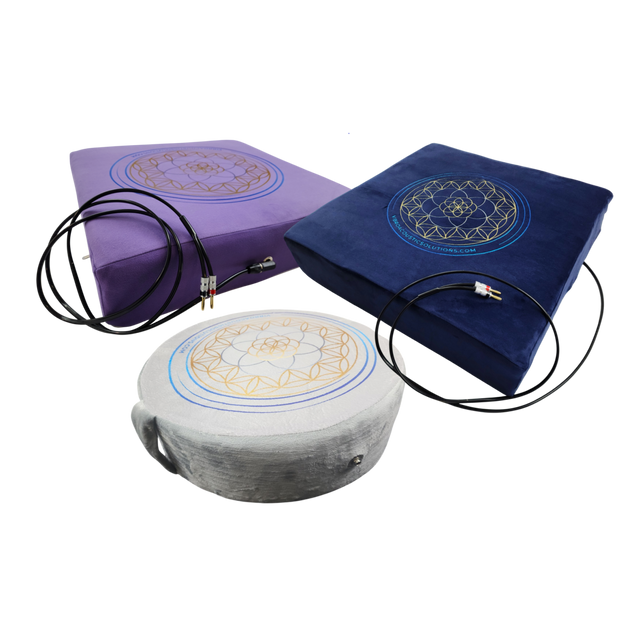
A vibroacoustic cushion brings tactile sound to a favorite chair, sofa, recliner, or bed. It is a practical entry point for people who want a therapeutic tool without dedicating a room to equipment. Placed behind the back, beneath the hips, or along the legs, a cushion can provide focused low-frequency contact during reading, guided relaxation, or a quiet transition after work.
Cushions are also useful for sensory needs because the user can control both placement and duration. A brief 10- to 20-minute session can offer a predictable sensory anchor without requiring a major setup. For adults who travel between rooms, share living space, or want a device that can move with them, this format is often the most realistic choice.
Massage table attachment kits for therapeutic practices
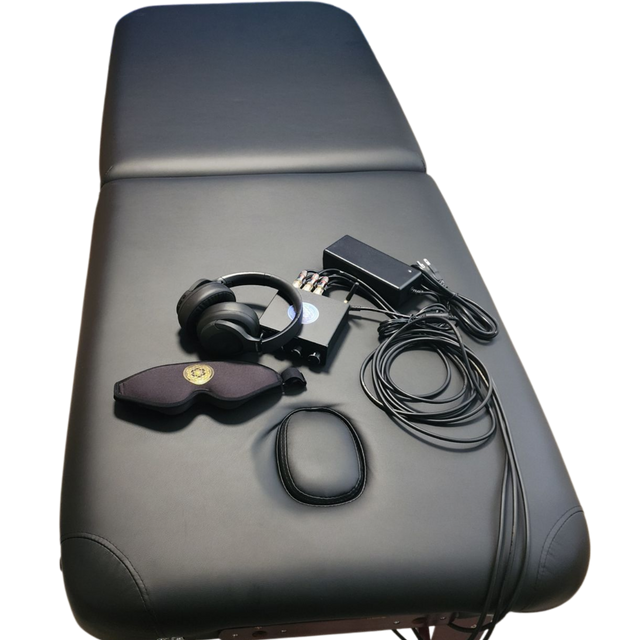
For massage therapists, bodyworkers, and integrative health providers, a table attachment kit can turn an existing treatment table into a vibroacoustic experience. The equipment places low-frequency transducers beneath or within the table structure, allowing clients to receive vibration while remaining supported in a familiar clinical setting.
This format preserves the value of hands-on care while adding a second layer of sensory input. A practitioner might use slow, lower-frequency material during a grounding portion of a session, then adjust the audio and intensity as the treatment evolves. The physical mechanism remains straightforward: sound becomes tactile motion, and the client receives that motion through the body-contact surface.
A table kit is generally a better fit than a standalone bed when treatment room space is limited or when a practice already has quality tables in place.
DIY conversion kits for an existing setup
DIY conversion kits are designed for people who already have a suitable bed base, platform, chair, or treatment table and want to add vibroacoustic capability. This approach can make clinical-grade sound-based therapy more accessible because the investment is focused on the components that create the tactile effect: transducers, amplification, and proper installation.
The key is structural compatibility. The furniture must be stable enough to support the user and transmit vibration without rattling or distorting the signal. Placement matters as well. Transducers positioned thoughtfully across the surface create a balanced field of sensation, while poor placement can leave the experience uneven.
For capable home users and practitioners, a conversion kit offers meaningful flexibility. Vibroacoustic Solutions offers systems in this category for people who want to build therapeutic sound into furniture they already trust.
Choosing Frequencies With Intention
Low frequencies are felt before they are fully heard. In vibroacoustic sessions, 20 to 40 Hz is often experienced as slow, deep, and grounding, while the 40 to 80 Hz range can feel more present through the torso and larger muscle groups. Frequencies from roughly 80 to 120 Hz may provide a lighter, more defined tactile sensation. Individual response varies with body position, surface design, volume, and personal sensory preference.
The 40 Hz range has received particular research interest for rhythmic sensory stimulation and neural entrainment. In a home setting, the most useful takeaway is not that one number fits everyone. It is that rhythm, repetition, and comfort matter. Start at a low intensity, give your body time to respond, and notice whether you feel settled, energized, or ready for quieter rest.
Many listeners also feel drawn to 432 Hz music, Solfeggio tones, or nature-based soundscapes for their emotional resonance and contemplative quality. When these recordings are played through a vibroacoustic surface, the audible music and tactile low-frequency layer can create a deeply personal ritual of restoration.
Build a Routine Your Nervous System Recognizes
The most effective home system is one you use before stress becomes overwhelming. Try a 15-minute session at a consistent time for one week, such as after work, before sleep, or following exercise. Lie or recline comfortably, keep intensity gentle at first, and let the vibration be something you receive rather than something you have to manage.
If you are working with persistent pain, injury, neurological concerns, or complex health needs, use vibroacoustic therapy as a supportive wellness practice alongside guidance from your qualified healthcare professionals. The goal is not to force a result. It is to create reliable conditions for settling, recovery, and reconnection with your body.
Choose the product that fits your actual life, then make room for the quiet repetition that turns a therapeutic tool into a meaningful practice.
Latest posts

Guide to Vibration Intensity Settings for Therapy
Read article

Vibroacoustic Cushions Versus Weighted Blankets
Read article