A hard training session, a demanding treatment day, or a nervous system that has stayed on alert too long can leave the body feeling depleted in ways that rest alone does not always resolve. The best noninvasive recovery devices work by delivering a physical input - pressure, light, electrical stimulation, temperature, or low-frequency vibration - that the body can register without needles, medication, or downtime. The right choice depends less on what is trending and more on the kind of recovery support you need.
For some people, recovery means easing heavy, sore legs after exercise. For others, it means creating enough sensory safety to release chronic muscular guarding, improve sleep readiness, or settle after an overstimulating day. A useful device should match both the body system you are trying to support and the practical reality of your routine.
What Makes a Recovery Device Effective?
The mechanism matters. Recovery tools are not interchangeable simply because they all feel relaxing.
Mechanical pressure, for example, can influence fluid movement and provide strong sensory feedback to the skin and deeper tissues. Percussive force creates rapid pulses that may temporarily improve range of motion and reduce the feeling of tightness. Light in the red and near-infrared spectrum interacts with tissue through photobiomodulation pathways. Electrical stimulation influences sensory nerves or muscle fibers, depending on the settings.
Vibroacoustic therapy takes a different route. Specialized transducers convert low-frequency sound into physical vibration, often within a range of roughly 20 to 120 Hz. Instead of only hearing sound, the user feels it through the body. This tactile input can engage mechanoreceptors in the skin, muscles, and connective tissue while calming music or tonal sound supports the auditory system. For many people, that combined sensory experience creates a more complete environment for somatic regulation.
Research across recovery modalities points to a familiar pattern: short-term changes in perceived soreness, relaxation, local circulation, flexibility, and stress are often meaningful, but outcomes depend on timing, dose, the individual, and the condition being addressed. A device is best viewed as supportive care within a larger recovery plan that includes sleep, nourishment, movement, and appropriate clinical guidance.
The Best Noninvasive Recovery Devices by Need
Vibroacoustic therapy systems for nervous system recovery
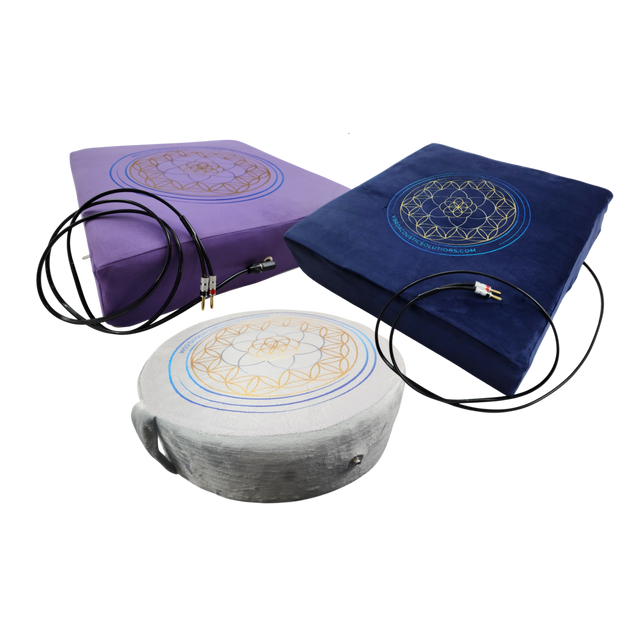
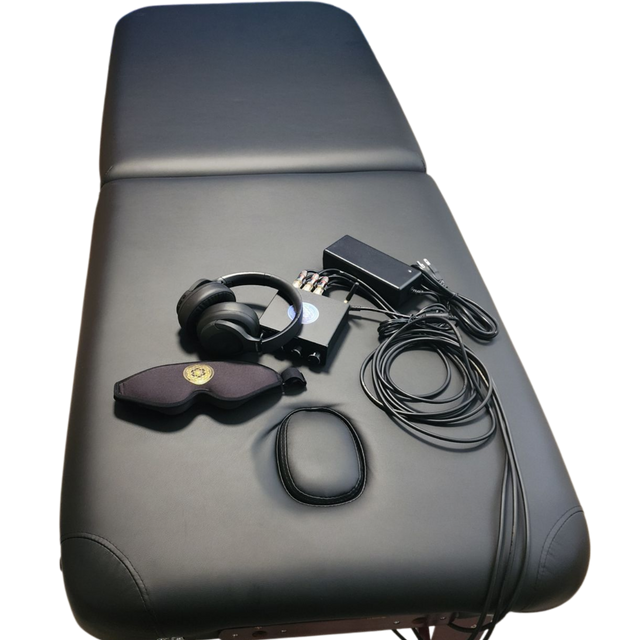
Vibroacoustic therapy systems are especially well suited to people whose recovery needs extend beyond muscle soreness. A bed, cushion, massage-table attachment, or conversion kit delivers low-frequency vibration directly through the body while sound is played through speakers or headphones.
At lower frequencies, particularly around 30 to 80 Hz, vibration is often felt as broad, grounding movement rather than a sharp or stimulating sensation. This range is commonly used in vibroacoustic sessions because it can create a gentle whole-body sensory field. Users frequently describe a shift from bracing and mental overactivity toward heaviness, warmth, and restfulness.
The physiological interest lies in how predictable, low-frequency sensory input may support parasympathetic activity and interoception - the ability to notice internal body signals. A 2019 review of vibroacoustic therapy literature identified potential benefits for relaxation, pain experience, motor function, and quality of life across varied populations, while also highlighting the need for more standardized protocols. In practice, this makes vibroacoustic therapy a thoughtful option for home users managing stress or sleep disruption and for practitioners who want to deepen massage, bodywork, counseling, or sensory regulation sessions.
A system from Vibroacoustic Solutions can be selected according to the setting: a dedicated bed for immersive sessions, a cushion for flexible home use, or an attachment kit for clinicians who want to upgrade an existing table. The trade-off is that vibroacoustic therapy is generally most effective when given enough uninterrupted time. It is not the quick, 90-second intervention that a massage gun can be.
Pneumatic compression for heavy legs and post-training recovery
Compression boots use inflatable chambers that fill and release in sequence. The external pressure can support venous and lymphatic return, which is why the sensation can feel relieving after long travel, prolonged standing, or demanding lower-body training.
For athletes, compression is often used after exercise to reduce the subjective feeling of fatigue and heaviness. Studies and reviews show mixed results for objective performance restoration, but many users report improved comfort and recovery perception. That distinction is useful: if you need a ritual that helps your legs feel refreshed and ready for gentle movement, compression may be valuable. If you expect it to replace progressive conditioning or rehabilitation, it is the wrong expectation.
Compression devices are not appropriate for everyone. People with known or suspected blood clots, significant vascular conditions, uncontrolled blood pressure concerns, or acute unexplained swelling should speak with a qualified clinician before use.
Percussion devices for localized muscle stiffness
Massage guns use an oscillating or percussive head to deliver rapid mechanical stimulation to a focused area. Their primary value is convenience. A brief session on the calves, glutes, upper back, or quadriceps can make a restricted area feel less guarded and may support short-term range of motion before activity.
The best use is targeted and measured. Start with a low setting and keep the device moving instead of pressing aggressively into one point. More force is not necessarily more therapeutic, particularly around the neck, joints, bony areas, varicose veins, or irritated tissue.
Percussion tools are useful when the problem is local and mechanical. They are less suited to whole-body downregulation. For a client who arrives hypervigilant, exhausted, or sensory overloaded, a strong percussion device may feel activating rather than restorative.
Red and near-infrared light for tissue-focused support
Red light commonly falls around 630 to 660 nm, while near-infrared light is often delivered around 810 to 850 nm. These wavelengths are used in photobiomodulation because they can be absorbed by cellular chromophores, including cytochrome c oxidase, influencing cellular energy signaling and nitric oxide pathways.
People often use red and near-infrared devices to support recovery in specific areas such as muscles, tendons, or joints. The practical appeal is that treatment is quiet, contact-free, and easy to pair with a recovery routine. Dose matters considerably, however. Treatment distance, irradiance, session duration, and the size of the area all affect the delivered energy. More exposure does not automatically produce a better result.
Choose a device with transparent wavelength and irradiance information rather than relying only on the number of LEDs. People with light sensitivity, a history of photosensitive reactions, or medications that affect light response should seek individualized guidance.
TENS for sensory pain modulation
Transcutaneous electrical nerve stimulation, or TENS, uses electrodes placed on the skin to send mild electrical pulses through superficial sensory nerves. At conventional high-frequency settings, often 80 to 120 Hz, TENS may create a comfortable tingling sensation that competes with pain signals traveling to the central nervous system. Lower-frequency settings, often 2 to 10 Hz, can feel more rhythmic and may be used differently depending on the protocol.
TENS can be a practical, portable option for episodic discomfort and temporary pain modulation. It does not address every cause of pain, and placement is important. Avoid using it over the front of the neck, across the chest, or near areas with impaired sensation unless guided by a clinician. Those with implanted electronic devices should get medical clearance first.
How to Choose Without Buying Too Much Device
Start with the pattern, not the product. If your legs feel swollen and heavy after long workdays, compression may be the most direct fit. If a small muscle group needs warm-up support before a workout, percussion may be enough. If you are seeking a low-stimulation practice that supports sleep, stress recovery, chronic tension, or therapeutic presence, vibroacoustic therapy offers a broader nervous-system-focused experience.
Then consider whether you need self-treatment or a tool that supports professional care. A practitioner may value equipment that works while their hands are free to assess, listen, or provide manual therapy. A home user may prioritize a portable cushion that can become part of an evening regulation ritual.
Finally, consider sensory preference. Some people love strong pressure and fast stimulation. Others respond best to quiet, rhythmic, predictable input. The device you will use consistently is usually more valuable than the one with the longest feature list.
Recovery is not a contest to see who can add the most technology to their routine. It is the practice of giving the body a form of input it can receive, integrate, and carry forward into the next day.
Latest posts


Practitioner Sensory Room Case Study: Better Flow
Read article
How to Create a Calming Treatment Room That Regulates
Read article