A crowded room can feel physically painful. A fluorescent light can make concentration disappear. On the other hand, some people need movement, pressure, rhythm, or bass-rich sound before their body feels fully present. Sensory regulation is the process of noticing these input needs and using them to help the nervous system return to a more workable state.
This is not simply about becoming calm. The right sensory input can support alertness before a demanding task, grounding after overstimulation, and physical ease during rest or recovery. For home users and practitioners alike, vibroacoustic therapy offers a particularly direct form of input: low-frequency sound that is heard by the ears and felt throughout the body.
What Sensory Regulation Means in the Body
The nervous system is continually sorting information from inside and outside the body. Touch, sound, light, temperature, posture, muscle tension, breathing, hunger, and emotional cues all contribute to that stream of information. When the volume of input exceeds a person’s current capacity, the result may be agitation, shutdown, restlessness, irritability, muscle guarding, or difficulty sleeping.
Regulation does not mean eliminating sensation. It means helping the system find an appropriate level of activation for the moment. A person preparing to exercise, complete focused work, or engage in a therapy session may need more organized energy. Someone recovering from a stressful day may need a slower pace, less visual stimulation, and a reliable physical cue of safety.
This is why sensory needs can look different from person to person. One individual may settle with quiet and stillness, while another settles only after walking, using a weighted blanket, or feeling steady vibration through the back and legs. For autistic people, people with ADHD, trauma-related tension, chronic stress, or persistent pain patterns, recognizing these differences can be especially meaningful. It can also be useful for anyone whose body has learned to stay on high alert.
Why Low Frequencies Can Feel So Grounding
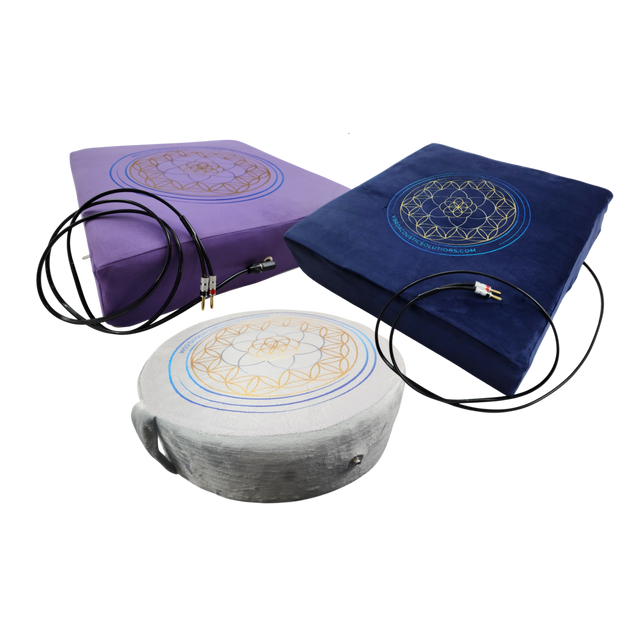
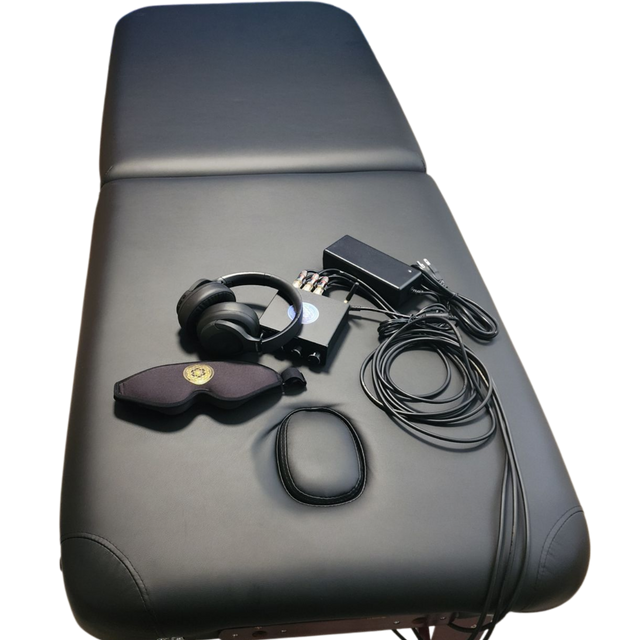
Vibroacoustic therapy uses transducers to convert an audio signal into physical vibration. Rather than merely playing music into a room, a vibroacoustic bed, cushion, or massage-table attachment sends low-frequency energy directly into the body through the surface supporting it.
Frequencies in the approximate 20 to 120 Hz range are commonly used because they are readily perceived as vibration. At the lower end, around 20 to 40 Hz, the experience may feel slow, heavy, and deeply physical. Frequencies around 40 to 80 Hz can feel more rhythmic and muscular, while higher low-frequency ranges may be used for a lighter, more stimulating sensation. The response depends on the person, the volume, body position, source material, and the quality of the equipment.
The physical mechanism matters. Gentle vibration creates repeated mechanical pressure changes at the points where the body meets the treatment surface. Those cues are processed through the skin, connective tissue, muscles, and proprioceptive system, which helps the brain map where the body is in space. Predictable rhythmic input can give an overwhelmed system something stable to orient around.
This may be one reason many people describe vibroacoustic sessions as grounding. The body is not being asked to think its way out of overload. It is receiving a clear, measured sensory signal. Slow breathing, comfortable support, and a low-frequency soundscape can work together to shift attention away from scattered external demands and toward interoception, the felt sense of what is happening inside.
Research into whole-body vibration and vibroacoustic intervention has explored effects on relaxation, pain perception, muscle tone, sleep, and autonomic activity. Small clinical studies have used frequencies including 40 Hz and 60 Hz in relaxation and rehabilitation-oriented settings. While protocols vary widely, the consistent clinical question is valuable: can precisely delivered vibration help create conditions in which the body is more able to rest, recover, or participate in care?
Sensory Regulation Is Not One-Size-Fits-All
The same input can be regulating on one day and overwhelming on another. A low-frequency session that feels settling after work may feel too intense during a migraine, illness, or period of heightened sensitivity. A client who enjoys 40 Hz through a padded treatment table may prefer a gentler amplitude or shorter session when arriving anxious or fatigued.
That is why dosage matters. In vibroacoustic work, dosage includes frequency, intensity, session length, body position, and the accompanying audio. More intensity is not inherently more therapeutic. For sensory regulation, the goal is usually enough vibration to be clearly felt without creating strain, startle, or pressure to tolerate discomfort.
Practitioners can begin with a brief orientation: invite the client to notice their breathing, jaw, shoulders, hands, and contact points with the table. Start at a modest volume, then pause for feedback. This approach protects client autonomy and makes the experience collaborative. It also helps distinguish a session that is pleasantly immersive from one that is simply too much input.
A Practical Vibroacoustic Routine for Overload
A useful regulation session does not need to be elaborate. Consistency and comfort often matter more than a complex playlist. For many home users, 15 to 25 minutes is an accessible starting window.
Begin by reducing competing stimuli. Dim the room, silence notifications, and choose a position that allows the spine and limbs to be comfortably supported. If lying flat feels vulnerable or uncomfortable, use a cushion, bolster, or reclined position instead.
Choose low-frequency material with a steady, unhurried pulse. A range around 30 to 60 Hz is often a comfortable place to begin because it is easy to feel without necessarily becoming overly activating. Set the level so vibration is distinct but not forceful. The sound should feel like an invitation to settle, not a demand placed on the body.
During the session, let attention return to three simple anchors: the points where the body meets the surface, the pace of the exhale, and the repeating vibration. There is no need to force relaxation. Some people first notice emotion, restlessness, or areas of tension that had been held out of awareness. Simply observing those signals without rushing to change them can be part of the regulatory process.
Afterward, sit up slowly and give the body a minute before returning to screens, conversation, or driving. Notice whether you feel quieter, clearer, sleepier, more present, or more energized. These observations are more useful than chasing a single ideal response.
Integrating Sensory Support Into Professional Care
For massage therapists, bodyworkers, and integrative practitioners, vibroacoustic equipment can deepen the sensory environment without changing the core of a session. The client remains supported on a familiar treatment surface while low-frequency vibration adds a somatic layer to massage, breathwork, guided relaxation, or recovery-focused care.
A massage table attachment kit can be particularly practical in a clinic because it allows a practitioner to introduce vibroacoustic therapy without replacing existing furniture. A dedicated bed may suit environments where clients receive longer sound-based sessions, while cushions can create flexible options for seated work, home use, or smaller treatment rooms.
Clear communication remains essential. Ask clients whether they are comfortable with vibration, explain that they can request changes at any point, and use observation alongside verbal feedback. A client’s breath, facial tension, and ability to remain present can provide useful information about whether the current setting is supportive.
Vibroacoustic therapy is best viewed as a complementary sensory tool, not a replacement for individualized medical or mental health care. For people managing significant symptoms or complex health concerns, coordinated guidance from qualified healthcare professionals helps ensure that any wellness practice fits their broader care plan.
Building a Personal Regulation Menu
The most effective sensory plan usually includes more than one option. Vibroacoustic sessions may become a reliable foundation, especially for evening decompression, post-workout recovery, or transition after demanding social environments. Yet a person may also benefit from hydration, protein-rich meals, daylight, rhythmic walking, quiet music, gentle pressure, and protected time away from screens.
Think of these supports as a menu rather than a rigid prescription. On a depleted day, a 10-minute low-frequency session may be enough. On a day when the body feels braced and restless, a longer session paired with slow breathing or bodywork may feel more appropriate. The practice becomes more effective when it is responsive rather than performative.
Vibroacoustic Solutions is built around this practical science of somatic regulation: making clinical-grade vibration accessible in the places where people actually rest, recover, and care for others. The most useful frequency is ultimately the one your body can receive with a sense of comfort, choice, and safety.
Latest posts


Practitioner Sensory Room Case Study: Better Flow
Read article
How to Create a Calming Treatment Room That Regulates
Read article