A sleep score can tell someone they woke up six times. It cannot always tell them why their body stayed on alert all night. That gap is shaping the most meaningful sleep wellness technology trends: a move away from simply tracking sleep and toward technologies designed to support the conditions that make restorative sleep more available.
For home users and practitioners alike, the focus is becoming more somatic. Sleep is not only a matter of bedtime habits or bedroom temperature. It is also a nervous system state. When the body continues to interpret its internal or external environment as demanding, muscle tone may stay elevated, breathing can become shallow, and the transition into sleep can feel frustratingly out of reach.
The most useful technologies now meet that reality with better measurement, gentler sensory input, and more personalized routines.
Sleep wellness technology trends are becoming more somatic
The first generation of consumer sleep technology emphasized data: total sleep time, estimated sleep stages, overnight heart rate, and movement. Those metrics still have value. A wearable can reveal patterns that are easy to miss, such as consistently late bedtimes, frequent restlessness, or a rising resting heart rate during a stressful period.
But sleep-stage estimates from consumer devices are still interpretations of indirect signals. Most wrist wearables use combinations of motion, optical heart-rate sensing, and skin temperature. They can be useful for observing long-term trends, yet they are not the same as a clinical sleep study using electroencephalography, eye-movement monitoring, respiratory measures, and muscle activity.
The next step is pairing insight with regulation. Rather than asking people to chase a perfect score, newer sleep wellness tools are being designed to lower sensory load, encourage slower breathing, release physical tension, and create reliable cues for winding down. This is a healthier direction because it shifts attention from performance to capacity.
For many people, the best sleep technology is not the device that gathers the most data. It is the one they can use consistently without becoming more vigilant about sleep.
Biometric feedback is getting more personal
Heart rate variability, often shortened to HRV, has become a central metric in recovery-focused wellness technology. HRV measures the variation in time between heartbeats. It is influenced by many factors, including sleep, training load, illness, alcohol, emotional stress, and breathing patterns.
Over time, a person may notice that their HRV tends to improve after a quiet evening routine and decline after late work, intense training, or fragmented sleep. That pattern can help guide choices. It should not become a verdict on whether someone is healthy or failing at recovery.
The most thoughtful platforms are beginning to use this information to suggest gentler interventions: an earlier wind-down, a breathing session, reduced training intensity, or a sound-and-vibration relaxation session. Context matters. A lower HRV reading after a difficult week may be useful information, but it does not call for more pressure.
Low-frequency sound is moving from novelty to therapeutic application
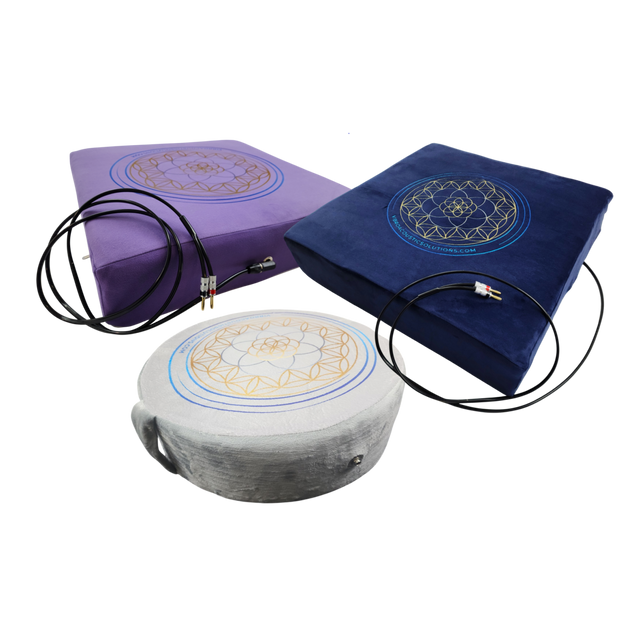
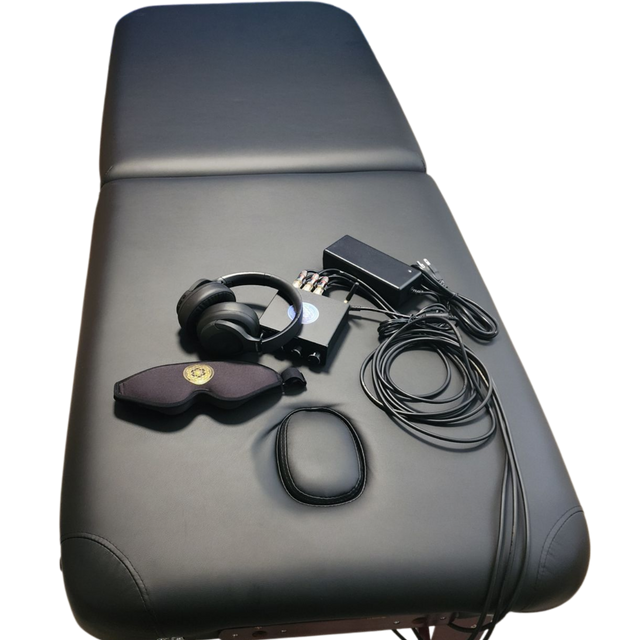
One of the most promising developments in sleep support is greater interest in vibroacoustic therapy. This approach uses audible sound and low-frequency vibration delivered through a bed, mat, cushion, or treatment table. The listener does not only hear the session. They feel it through the body.
The physical mechanism matters. Low-frequency transducers convert an electrical audio signal into mechanical movement. When a person rests on a vibroacoustic surface, that movement creates gentle tactile stimulation across areas of contact, such as the back, hips, legs, and shoulders. This input is received by mechanoreceptors in the skin and deeper tissues, adding a physical dimension to the auditory experience.
Sessions commonly use frequencies in the approximate 20 to 120 Hz range, where vibration is readily felt by the body. Lower ranges around 30 to 60 Hz are often selected for deeply grounding, full-body sensations, while somewhat higher frequencies can feel more localized or energizing depending on intensity, body position, and the sound program. The right setting is individual. More intensity is not automatically more therapeutic.
For sleep preparation, the goal is usually not stimulation. It is predictable, comfortable sensory input that helps the body shift out of high alert. A carefully calibrated vibroacoustic session can complement a quiet room, dim lighting, and slow breathing by giving the nervous system a steady signal to orient around.
Research into music therapy, tactile stimulation, and relaxation practices continues to show why this category deserves attention. Music-based interventions have been associated in multiple studies with improvements in subjective sleep quality, especially when used consistently over several weeks. Vibroacoustic therapy research has also explored relaxation, pain perception, muscle tension, and autonomic regulation. The field is still developing, which makes thoughtful equipment design and practical protocols especially important.
Frequency design matters more than frequency marketing
Sleep-focused sound is often discussed through a mix of neuroscience, personal experience, and meaningful traditions. Delta brainwave activity, generally measured from about 0.5 to 4 Hz, is associated with deep non-REM sleep. Because these frequencies are below the main range of human hearing, sound programs may use rhythmic modulation, slow pulses, or layered tones to create a felt sense of spaciousness and repetition.
Some people also feel drawn to 432 Hz music, Solfeggio tones, or nature-based soundscapes because of their emotional and cultural resonance. A familiar tone can become a powerful ritual cue. When it is paired with a comfortable vibroacoustic surface, the experience may help establish a recognizable boundary between the activity of the day and the restoration of the night.
The practical question is not which frequency carries the biggest promise. It is which sound environment helps the individual feel safe, settled, and ready to rest. For one person, that may be a low-frequency ambient composition. For another, it may be a gentle pulse beneath acoustic music, rainfall, or a guided body scan.
The bedroom is becoming a regulation environment
Smart mattresses, temperature-controlled sleep systems, sunrise alarms, white-noise machines, and circadian lighting all point to the same trend: sleep technology is becoming environmental rather than purely wearable.
Temperature remains one of the clearest examples. The body’s core temperature naturally declines as sleep approaches. A bedroom that is too warm can make this transition harder, while a cooler sleep environment often feels more supportive. Many people prefer a bedroom near 60 to 67 degrees Fahrenheit, though comfort, bedding, age, and individual physiology all influence the ideal range.
Light technology is also becoming more refined. Bright, blue-enriched light in the morning can support alertness and circadian timing, while warmer, dimmer light in the evening reduces the visual intensity of the environment. The benefit is not only biological. A gradual shift in light can serve as a behavioral signal that the day is closing.
These tools work best when they are coordinated rather than stacked endlessly. A cool room, low lighting, and a 20-minute vibroacoustic session may be more effective than five different apps competing for attention.
What practitioners should look for in sleep-supportive technology
For massage therapists, sound therapy professionals, and integrative care providers, sleep concerns often appear indirectly. A client may describe jaw tension, hypervigilance, persistent pain, sensory overload, or difficulty settling after a demanding day. A clinical-grade vibroacoustic system can create a structured period of downregulation before or after hands-on work, breathwork, or guided relaxation.
The equipment should allow for meaningful control. Practitioners benefit from adjustable volume and vibration intensity, stable frequency response, hygienic surfaces, and formats that fit their workflow. A massage table attachment may be ideal for an existing treatment room, while a dedicated vibroacoustic bed can support longer rest-based sessions. At home, a cushion or DIY conversion kit may offer a more accessible entry point without requiring an entirely new wellness space.
Session design also matters. A 15- to 30-minute program with gradual onset and a gentle ending is often easier to integrate than an abrupt, highly stimulating audio track. Invite clients to notice pressure, warmth, breath, and contact with the surface rather than asking them to force relaxation. The body responds more readily to permission than demand.
Choose technology that reduces effort
The sleep market will continue producing more sensors, more dashboards, and more personalized recommendations. Some of that innovation will be genuinely helpful. Yet the technologies with the greatest staying power may be the ones that ask the least from an already tired person.
Choose tools that fit the real rhythm of life. If tracking data makes sleep feel like a test, take a break from the score. If a low-frequency sound session helps the shoulders soften and breathing slow, make it part of the evening ritual. If a client needs a less activating way to begin therapeutic work, create space for sensory regulation first.
Vibroacoustic Solutions approaches this shift through accessible, science-centered systems that bring therapeutic low-frequency sound into homes and professional settings. The purpose is not to engineer a flawless night of sleep. It is to give the body a more reliable invitation to settle, recover, and rest.
Latest posts

How to Prepare Sound Sessions That Feel Therapeutic
Read article
Guide to Vibration Intensity Settings for Therapy
Read article