The difference between a vibroacoustic bed that feels therapeutic and one that feels like a speaker under a mattress comes down to physics. In any useful vibroacoustic bed review guide, the real question is not whether the bed vibrates. It is whether it delivers low-frequency sound through the body in a controlled, repeatable way that supports relaxation, regulation, and recovery.
A true vibroacoustic bed uses transducers to convert audio frequencies into mechanical vibration that travels through the body’s tissues. Most systems work in the lower audible range, often between about 20 Hz and 120 Hz, where sound is felt as much as heard. That matters because low-frequency stimulation can create a cellular micro-massage effect, influence muscle tone, and support downshifting of the autonomic nervous system when the session is designed well. If you are comparing models for a home setup, wellness practice, or clinical space, those technical details are far more useful than marketing language alone.
How to read a vibroacoustic bed review guide
The first thing to examine is the vibration system itself. Not all beds distribute frequency evenly across the body. Some entry-level designs concentrate most of the output in one section, which can feel pleasant at first but less therapeutic over a full session. A stronger design uses multiple transducers positioned to create a balanced field through the torso, pelvis, and legs. For practitioners, this matters because clients notice consistency. For home users, it matters because uneven stimulation can make a session feel distracting rather than regulating.
Frequency range is the next major factor. Lower frequencies around 30 Hz to 40 Hz are often associated with grounding, deep relaxation, and muscle release. Mid-low frequencies in the 40 Hz to 60 Hz range are commonly used in vibroacoustic settings for calming and body awareness. Some systems also support broader protocols extending upward toward 80 Hz or 120 Hz for stimulation, circulation support, or more targeted sensory experiences. A bed that can reproduce these frequencies clearly, without rattling or distortion, gives you more therapeutic flexibility.
You also want to know whether the system allows precise control. Volume alone is not enough. Good design includes adjustable intensity, frequency-specific playback compatibility, and hardware that responds predictably at low settings. That is especially important for people with sensory sensitivity, trauma-related tension, autism support needs, or a very activated nervous system. Gentler sessions often create better outcomes than high-intensity sessions, particularly at the beginning.
What separates a therapeutic bed from a novelty product
A therapeutic vibroacoustic bed is built around transmission, comfort, and session reliability. Transmission refers to how efficiently the sound energy moves from the transducers through the surface and into the body. If the foam is too dense, too soft, or poorly layered, some frequencies get lost. If the frame is unstable, the bed may buzz or resonate in the wrong places. Reviews should pay attention to how the frequency feels across the full body, not just whether the unit turns on and makes sound.
Comfort is not a secondary issue. The body receives low-frequency stimulation differently when it feels physically supported. A treatment surface that keeps the spine, hips, and shoulders in a neutral resting position helps the nervous system settle. That is one reason many clinics prefer systems that work with professional table dimensions or purpose-built therapeutic beds rather than lounge furniture with added vibration hardware.
Session reliability matters more than many buyers expect. In professional use, the bed may run multiple sessions per day. In home use, reliability shapes whether the system becomes part of a real routine or gets abandoned after the novelty wears off. A quality bed should maintain output stability, handle repeated low-frequency playback, and feel durable enough for long-term use.
Vibroacoustic bed review guide for home users
Home buyers usually need to balance budget, footprint, and ease of use. If your goal is better sleep, stress reduction, body relaxation, or support for evening nervous system regulation, you may not need the largest or most complex setup. You do need a system that delivers clear low frequencies at comfortable intensity levels and fits naturally into your home routine.
For home use, ask whether the bed requires a dedicated room, whether the control system is simple enough to use consistently, and whether the session library supports the outcomes you care about. Some people respond well to slow, soothing low-frequency sweeps in the 30 Hz to 50 Hz range before bed. Others prefer steady frequencies paired with calming music or guided regulation sessions. The right choice depends on whether you want a primarily restorative experience or a more adaptable wellness tool.
Another consideration is body size and position. If the surface is too short, too narrow, or poorly padded, the therapeutic value drops quickly. Reviews that mention how the bed feels after 20 to 40 minutes are often more useful than first-impression comments. Comfort changes over time, and so does the perception of vibration.
Vibroacoustic bed review guide for clinics and practitioners
For clinics, the review criteria shift. A practitioner needs reproducibility, hygiene-friendly materials, dependable hardware, and a system that integrates into treatment flow. If you are a massage therapist, somatic practitioner, or integrative provider, consider whether the bed supports passive standalone sessions, table-based treatments, or layered interventions alongside breathwork, bodywork, or guided relaxation.
A clinic-ready system should allow easy session setup, predictable output from client to client, and enough adjustability to accommodate different nervous system presentations. Some clients need very subtle stimulation at first. Others respond well to stronger frequencies in the lower ranges for muscular release or sensory grounding. That range of responsiveness is where clinical-grade design begins to justify itself.
Research in vibroacoustic therapy has explored benefits related to relaxation, pain perception, muscle tension, and quality of life in various care settings. Different studies use different protocols, but low-frequency sound in the roughly 30 Hz to 70 Hz range appears often in the literature because it is both perceptible and therapeutically versatile. For a practitioner, that means hardware should not just play music well. It should reproduce low-frequency protocols with accuracy and stability.
Features worth paying for and features that are optional
Some upgrades are genuinely valuable. Better transducer placement, stronger frame construction, cleaner low-end frequency response, and simple intensity control all improve the therapeutic experience. Those are worth paying for because they affect what the body actually receives.
Other features are more situational. Built-in media systems, decorative lighting, or premium upholstery may matter in a luxury practice or a dedicated relaxation room, but they do not automatically improve frequency delivery. If your budget is limited, prioritize mechanical performance first, then comfort, then aesthetics.
Preloaded programs can be useful when they are well organized around outcomes such as calming, recovery, or sleep preparation. Still, a thoughtful operator with a well-built system can often do more with a smaller set of frequencies than a flashy system with weak hardware. The bed itself is the core instrument.
Red flags to watch for in any review
Be cautious with reviews that focus only on the emotional experience and never describe the physical feel of the frequency. Words like relaxing or amazing are not enough. You want to know whether the vibration was smooth, localized or full-body, quiet in operation, and comfortable over a complete session.
Another red flag is vague language about technology with no mention of frequency range, transducer count, surface design, or intensity control. A serious therapeutic product should be able to explain how it works. Precision builds trust.
It is also worth looking closely at products that promise every possible benefit to every user. Vibroacoustic therapy is highly adaptable, but response still depends on the person, the frequency, session length, body position, and the quality of the equipment. Good reviews make room for that nuance.
So which kind of vibroacoustic bed is best?
If you are buying for personal wellness, the best bed is the one you will use regularly, that fits your space, and delivers clean low-frequency stimulation without overwhelming your system. If you are buying for a practice, the best choice is usually the one with reliable transducer performance, professional durability, easy sanitation, and enough control to tailor sessions safely and comfortably.
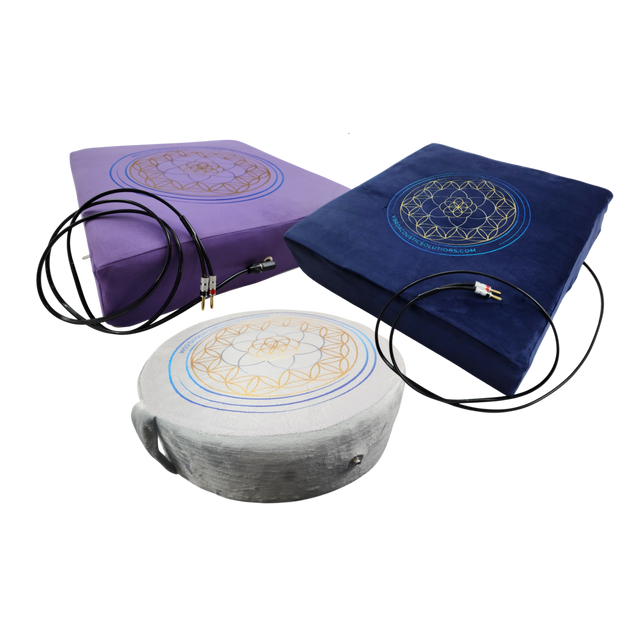
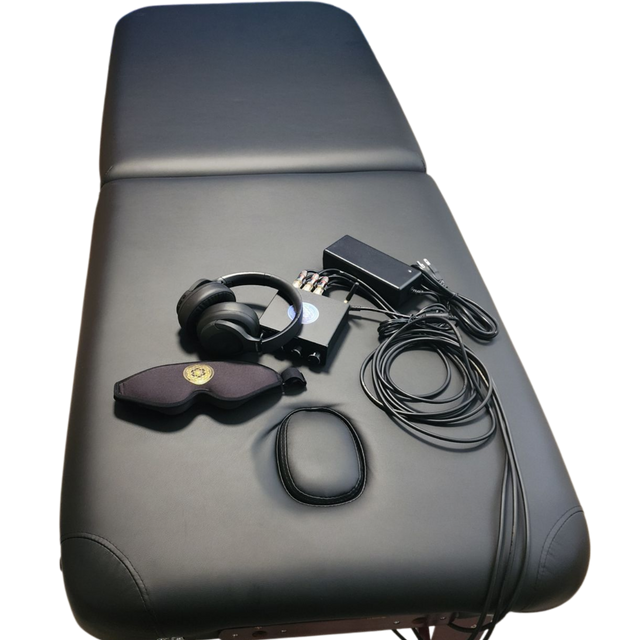
For many buyers, modular systems deserve attention. A well-designed vibroacoustic platform, massage table attachment, or conversion kit can offer much of the same therapeutic mechanism at a lower cost than a fully integrated bed. That is especially appealing for practitioners expanding gradually or home users who want clinical-grade function without a large furniture commitment. Vibroacoustic Solutions has helped make that path more accessible, which is part of why the category is growing beyond a narrow niche.
The best review guide is not the one that tells you a bed is good or bad. It is the one that helps you match the frequency delivery, comfort, and control of the system to the body it is meant to support. When the mechanics are right, the experience tends to feel less like a gadget and more like a reliable therapeutic environment.
Latest posts


Vibroacoustic Systems for Therapeutic Regulation
Read article