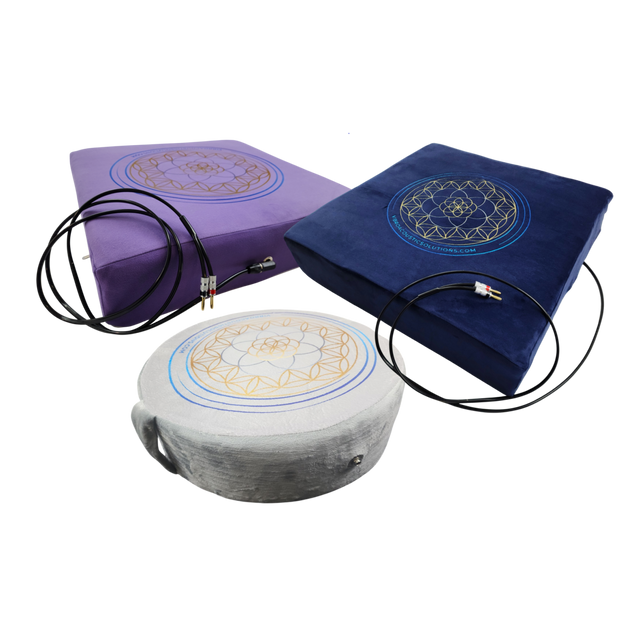
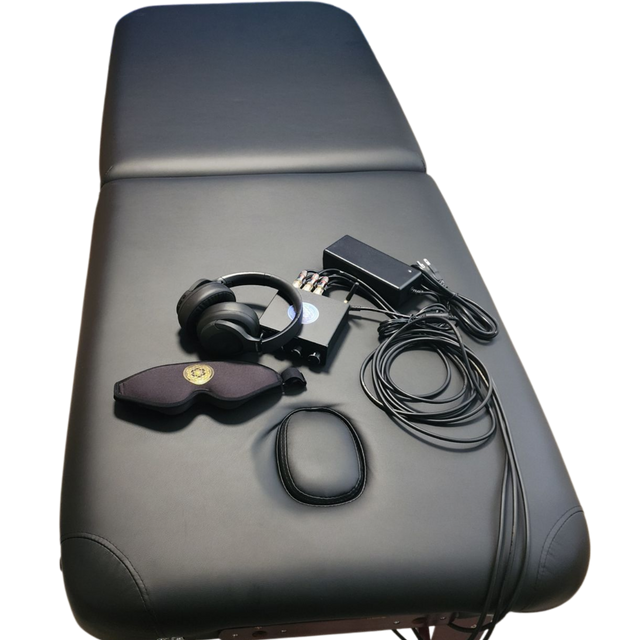
A vibroacoustic bed does more than play music. Low-frequency sound is converted by transducers into gentle mechanical vibration that travels through the surface of the bed and into the body. That physical input is why vibroacoustic bed safety deserves the same thoughtful attention as any other somatic modality: frequency, intensity, session length, positioning, and the individual receiving it all shape the experience.
For many people, a carefully paced session can feel deeply settling - especially when the nervous system has been carrying stress, pain-related tension, sensory overload, or poor sleep. For practitioners, it can add a tangible layer of support to massage, breathwork, sound therapy, or recovery-focused care. Safe use begins by treating the bed as clinical-grade therapeutic equipment, not simply a piece of furniture with speakers.
How Vibroacoustic Therapy Works in the Body
Most vibroacoustic systems operate within a low-frequency range of roughly 20 to 120 Hz. At these frequencies, the listener may hear part of the sound, but they also feel it as rhythmic movement through the back, hips, legs, and rib cage. The transducers create oscillation in the bed surface, giving the body tactile and auditory input at the same time.
Mechanoreceptors in the skin, muscles, and connective tissue respond to pressure and movement. The brain then integrates that information alongside sound, breath, posture, and the person’s emotional state. Slow, predictable sensory input is often experienced as grounding because it gives the nervous system a clear, repeatable signal to orient around.
Frequency is only one part of the dose. A 40 Hz track played at a low, comfortable amplitude can feel very different from the same track at a high amplitude. Session duration, body size, mattress construction, health history, and sensitivity to vibration all matter. This is why safe practice favors gradual adjustment rather than assuming a particular Hz value will feel right for everyone.
Vibroacoustic Bed Safety Starts With Screening
A brief intake is worthwhile for both home users and professional settings. Ask about current symptoms, recent procedures, implanted devices, pregnancy, medications that affect balance or sensation, and prior responses to vibration, sound, or touch. A person who finds gentle bass soothing in one context may feel overstimulated when tired, dehydrated, anxious, or in pain.
People with a known health condition should seek individualized guidance from their licensed physician or treating clinician before beginning vibroacoustic sessions, particularly if they have an implanted medical device, a seizure disorder, significant cardiovascular concerns, severe osteoporosis, a recent fracture, acute injury, recent surgery, blood-clotting concerns, active bleeding, or severe vertigo. The same care is appropriate during pregnancy and whenever a person has new, unexplained, or rapidly changing symptoms.
This is not about creating unnecessary barriers. It is about matching the sensory and mechanical load to the person in front of you. A clinician may recommend waiting, modifying the position, reducing the intensity, or choosing another supportive modality for that day.
Set the Dose Before You Press Play
For a first session, start conservatively. Choose a stable, familiar track with low-frequency content, set the transducer output below the level you think is necessary, and keep the session to 10 to 15 minutes. The goal is not to produce a dramatic sensation. The goal is to find a level where the vibration is clear, even, and comfortable.
Many users settle into programs between 30 and 60 Hz, while some therapeutic sound programs move through a broader 20 to 120 Hz range. Lower frequencies can feel spacious and physically enveloping, especially through the pelvis and torso. Mid-range frequencies may feel more localized or energizing depending on the bed, track, and listener. There is no universal “best” frequency. Comfort, regulation, and the person’s response are the practical guideposts.
Keep the audio volume separate from the vibration level whenever your system allows it. A bed can deliver a satisfying tactile experience without loud speakers. For extended listening, sound exposure should remain comfortable and conversational rather than loud or fatiguing. As a general hearing-health reference, repeated exposure around 85 dBA over an eight-hour period is a commonly used occupational noise threshold, but therapeutic sessions are typically much shorter and should still be kept well below a level that strains the ears.
After the first session, allow time to notice the response. Some people feel calm immediately. Others notice that their muscles soften gradually, or that they become aware of fatigue and need water, food, or rest. Increase only one variable at a time: duration, vibration amplitude, or program complexity. That makes it easier to understand what is helping and what may be too much.
Positioning and Equipment Checks Matter
A vibroacoustic bed should sit on a stable, level surface with cables secured away from walking paths. Inspect power cords, connectors, transducers, and upholstery regularly. If a unit develops buzzing, rattling, intermittent sound, excess heat, or an uneven vibration pattern, stop using it until the issue has been evaluated. Mechanical distortion is not a therapeutic intensity setting.
Position the client or home user so the neck, knees, and low back are supported. A small bolster under the knees can reduce strain for a person lying on their back. Side-lying positioning may be more comfortable for someone who cannot tolerate supine rest, although the felt vibration will change. Avoid placing heavy objects on the bed, blocking ventilation around electronic components, or using the system near water.
In a clinic, clean surfaces between clients according to the material and manufacturer care guidance. Use clean linens and consider how vibration may transfer through accessories such as bolsters, weighted blankets, or massage-table attachments. Added layers can soften the tactile signal, which may be desirable for a highly sensitive person but may also encourage an operator to turn the system up too far. Begin with less intensity instead.
When to Pause or Stop a Session
Vibroacoustic therapy should feel tolerable and supported, not like something to push through. Stop the session and help the person sit up slowly if they experience any of the following:
- Dizziness, nausea, new headache, ringing in the ears, or visual disturbance
- Numbness, tingling, increased pain, muscle cramping, or a sense of pressure that does not ease when intensity is reduced
- Panic, agitation, dissociation, or a feeling of being emotionally flooded
- Shortness of breath, chest discomfort, palpitations, or a sensation of faintness
- Any concern that the equipment is overheating, malfunctioning, or producing harsh vibration
Safety for Sensory-Sensitive and Trauma-Informed Care
Predictability is a powerful safety feature. Before starting, explain what the person may feel, where the vibration is likely to be strongest, how long the session will last, and how they can signal to stop. Give them control of the volume or a clear stop button whenever possible.
For autistic, ADHD, trauma-affected, or highly sensory-sensitive clients, avoid assuming that deeper pressure or stronger bass will be more regulating. A low-amplitude, brief session with a simple musical structure may be more supportive than an immersive program. Check in without interrupting the experience too often: “Would you like less, more, or the same?” is usually enough.
Practitioners should also document the program used, frequency range, vibration setting, length of session, position, and response afterward. Over time, those notes can reveal practical patterns that make care more precise and repeatable.
The safest first session is rarely the most intense one. Create a calm environment, choose a modest setting, and let the body’s response set the pace. When vibration is introduced with skill, consent, and careful listening, a vibroacoustic bed can become a meaningful space for rest, regulation, and recovery support.
Latest posts


Vibroacoustics Versus Red Light Therapy Compared
Read article
Transducers Versus Speakers: What Your Body Feels
Read article