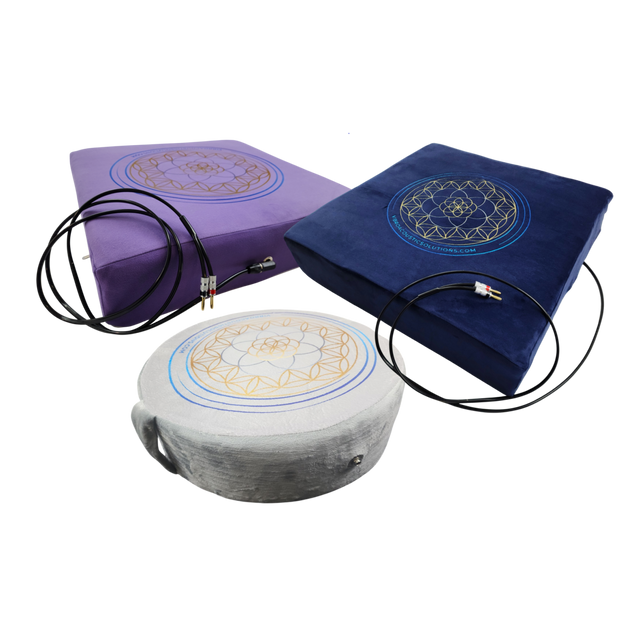
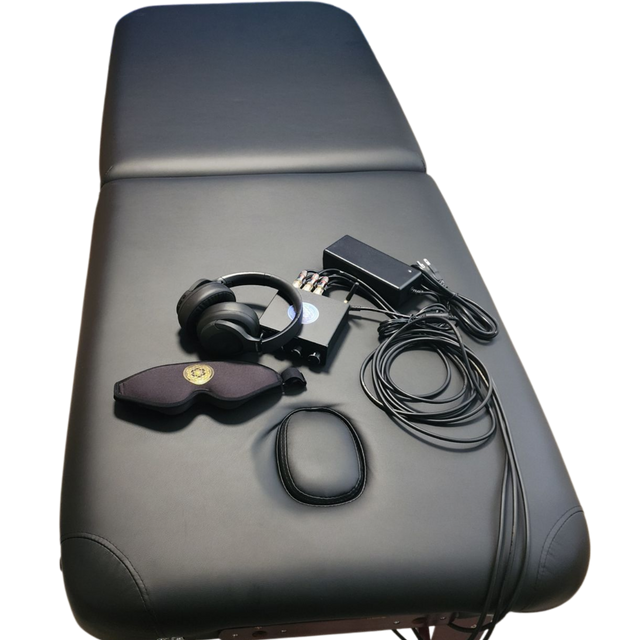
A treatment room can feel completely different when the body is supported by low-frequency sound rather than simply exposed to light. That distinction is at the center of vibroacoustics versus red light therapy. Both are non-invasive modalities used in wellness, recovery, and integrative care, yet they communicate with the body through very different physical pathways.
Vibroacoustic therapy delivers audible sound and tactile vibration through a bed, chair, cushion, or treatment table. Red light therapy uses targeted wavelengths of red and near-infrared light at the skin. One is designed to be felt throughout the body as rhythmic mechanical input; the other is designed to be absorbed by tissue as light energy. Choosing between them starts with understanding that mechanism.
Vibroacoustics versus red light therapy: the core difference
Vibroacoustic therapy, often called VAT, converts low-frequency sound into physical vibration. Frequencies commonly used in therapeutic systems fall between about 20 and 120 Hz, with many relaxation and regulation sessions centered in the 30 to 80 Hz range. A transducer mounted inside the furniture receives an audio signal and moves in response, transferring gentle vibration into the body through broad points of contact.
This is more than listening to music with added bass. The body perceives low frequencies through the skin, muscles, joints, and vestibular system. Slow, predictable vibration can provide a form of somatosensory input that many people experience as grounding. In practical terms, the body is receiving rhythm, pressure variation, and sound at the same time.
Red light therapy, also known as photobiomodulation, works through a different route. Devices generally use red light in the 630 to 660 nanometer range and near-infrared light around 810 to 850 nanometers. These wavelengths are selected for their interaction with tissue. At the cellular level, photobiomodulation research often focuses on mitochondrial signaling, particularly the role of cytochrome c oxidase, nitric oxide signaling, and adenosine triphosphate production.
The result is a meaningful difference in the experience. Vibroacoustics is immersive and nervous-system-facing: you lie down, feel the signal, and often notice shifts in breath, muscle guarding, and overall settling during the session. Red light therapy is usually localized and tissue-facing: a panel, pad, or handheld device directs light toward a specific area for a defined dose and distance.
How each modality supports the body
Vibroacoustic therapy and somatic regulation
The therapeutic value of vibroacoustics begins with mechanical stimulation. Low-frequency vibration creates repeated micro-movements in the tissues contacting the system. Depending on frequency, volume, body position, and session design, this may feel like a steady hum, a slow pulse, or a wave moving through the back and limbs.
For clients carrying persistent stress patterns, that sensory input can be especially relevant. The nervous system constantly interprets signals from inside and outside the body. Gentle, rhythmic stimulation may support a shift away from vigilance by offering a predictable physical anchor. Music selection adds another layer: tempo, melodic structure, and low-frequency content can influence emotional tone while the transducers create the tactile component.
Research into vibroacoustic therapy has explored outcomes related to relaxation, pain perception, motor function, and quality of life across varied populations. While protocols differ widely, lower-frequency programs around 30 to 60 Hz are frequently used for relaxation and muscle release, while frequencies near 40 Hz have attracted interest in sensory and neurological research. The practical takeaway is not that one number fits everyone. It is that frequency, duration, and the person’s sensory profile matter.
For a home user, a 20- to 30-minute session on a vibroacoustic cushion or bed can become a reliable transition ritual before sleep or after a demanding day. For a massage therapist or somatic practitioner, the modality can help clients arrive in their bodies before hands-on work begins. The client is not being asked to force relaxation. They are being offered a physical environment that may make regulation more accessible.
Red light therapy and cellular energy pathways
Red and near-infrared light therapy is often chosen for focused recovery support. Red light is generally associated with more superficial tissue exposure, while near-infrared light can reach deeper structures. The dose depends on wavelength, irradiance, treatment time, distance from the device, and the area being treated.
Photobiomodulation research has examined its use in areas such as exercise recovery, temporary muscle soreness, skin appearance, and tissue comfort. A commonly discussed dosing concept is the biphasic response: too little light may not create the desired response, while more is not always better. This is why device specifications and session instructions matter more than simply spending longer in front of a panel.
The session experience is also different from VAT. Some people find the warmth and quiet stillness of a red light session calming, but the primary input is optical rather than tactile. It does not provide the full-body vibration, music-based entrainment, or broad somatic contact that defines vibroacoustics.
Which one is better for stress, sleep, and recovery?
Neither modality wins in every context. The better choice depends on the outcome you are trying to support and on how your body responds to sensory input.
If your primary goal is downshifting after stress, creating a pre-sleep routine, or easing the felt sense of bodily tension, vibroacoustic therapy is often the more direct fit. It addresses the experience of being tightly wound through the body itself. The combination of low-frequency vibration and therapeutic sound can be particularly useful for people who find it difficult to settle through quiet meditation alone.
If your goal is targeted support for a particular area after training or as part of a skin-focused routine, red light therapy may be the more appropriate first tool. Its strength is dosage-based application to a defined area. A person may use it on the legs after a hard workout, for example, without needing a full-body relaxation session.
For sleep, the answer can be more individual. Vibroacoustics may be valuable when sleep difficulty is tied to nervous-system activation, racing thoughts, or physical restlessness. Red light therapy can fit into an evening routine when it is used thoughtfully and does not introduce overly bright, stimulating light close to bedtime. Red light is not the same as the blue-rich light associated with many screens, but individual sensitivity and device brightness still matter.
For chronic discomfort, both modalities may have a place within a broader care plan. Vibroacoustics can support relaxation, body awareness, and comfort through low-frequency tactile stimulation. Red light may be selected for its localized photobiomodulation approach. Neither should be framed as a replacement for appropriate medical assessment, especially when symptoms are new, severe, or changing.
Can vibroacoustics and red light therapy be used together?
Yes. In a clinic or home wellness setting, they can be complementary rather than competitive. Red light therapy can be used for a defined area, while vibroacoustics provides a broader whole-body regulation experience. The pairing makes sense when recovery has both local and systemic dimensions: tissues may need focused support, while the person also needs to feel safe enough to rest, breathe, and recover.
The sequence depends on comfort and logistics. Some practitioners begin with vibroacoustics to help a client settle before bodywork or another modality. Others use red light first and reserve a vibroacoustic session for integration afterward. A combined session should remain simple enough that the client can notice what is helping. Start with conservative duration and intensity, then adjust one variable at a time.
For individuals with sensory sensitivities, this gradual approach is essential. A low volume setting, gentler frequencies, and shorter sessions can make vibroacoustic therapy more welcoming. With red light, begin with the manufacturer’s recommended distance and duration rather than assuming stronger exposure is better. People with photosensitivity, relevant eye conditions, implanted devices, pregnancy-related questions, or active health concerns should consult an appropriate qualified professional before starting a new modality.
Choosing equipment for a therapeutic setting
The equipment format influences how each modality is used. Red light panels require placement, adequate treatment distance, and attention to coverage area. Vibroacoustic systems require stable body contact, quality transducers, and audio designed with low-frequency reproduction in mind.
For practitioners, a vibroacoustic massage-table attachment can integrate sound-based therapy into an existing treatment flow without requiring a dedicated bed. For home users, a cushion or conversion kit can turn a favorite recliner, mattress, or wellness space into a consistent regulation station. Vibroacoustic Solutions builds these options around accessible, clinical-grade tactile sound delivery, making it easier to match the system to the space and the individual.
The most useful choice is not necessarily the modality with the most impressive device. It is the one you can use consistently, comfortably, and with a clear purpose. If your body needs a place to exhale, begin with the kind of input it can feel.
Latest posts


Transducers Versus Speakers: What Your Body Feels
Read article