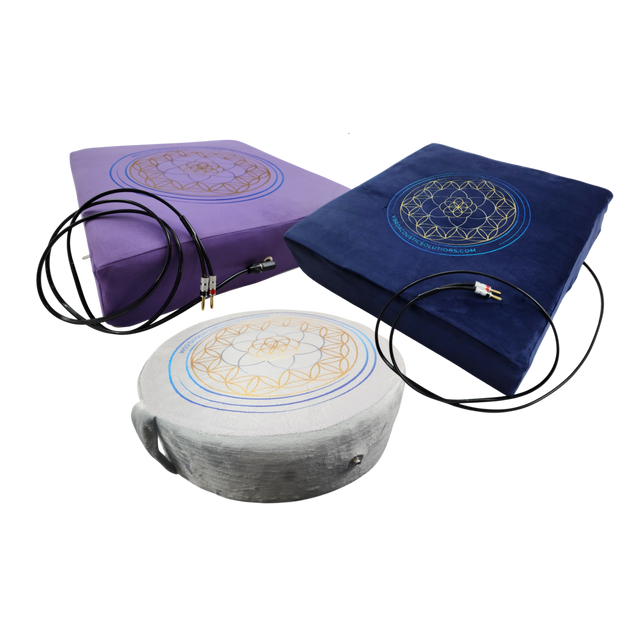
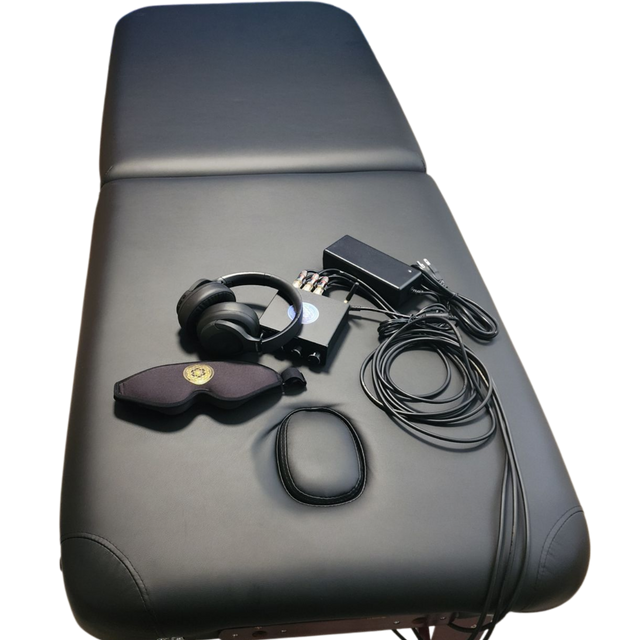
A treatment room can be calm and still feel incomplete. That was the challenge for a mid-sized integrative bodywork clinic that had strong client retention, skilled practitioners, and a consistent demand for stress and pain support. This vibroacoustic therapy clinic case study follows its decision to add low-frequency sound vibration as a structured somatic modality, not as background ambiance or a novelty.
The clinic wanted clients to feel a meaningful shift in their bodies before hands-on work began and to leave with a clearer sense of settling afterward. Its leaders also needed a system practitioners could use consistently, explain accurately, and adapt across massage, recovery, and nervous system regulation sessions.
The Clinical Need: More Capacity for Regulation
The clinic served adults managing high stress loads, persistent muscular tension, sleep disruption, exercise recovery needs, and trauma-related guarding. Some clients arrived ready for manual therapy but had difficulty settling onto the table. Others relaxed during a session, then felt activated again by the transition back into daily life.
The team was not looking to replace massage, psychotherapy, physical therapy, or medical care. They wanted a non-invasive layer that could help create the physiological conditions for receptive, well-paced treatment. That distinction shaped the implementation: vibroacoustic therapy was introduced as a therapeutic support for regulation, body awareness, and recovery.
The clinic chose a massage table attachment system rather than purchasing multiple dedicated beds. It had four treatment rooms, limited floor space, and a mix of massage therapists and somatic practitioners. A modular setup let the team convert existing tables, maintain familiar treatment workflows, and begin with two rooms before expanding.
Why Low Frequencies Change the Experience
Vibroacoustic therapy pairs audible sound with tactile vibration transmitted through a bed, cushion, chair, or treatment table. A transducer converts an audio signal into physical movement. Instead of only hearing a low tone, the client feels it through the back, pelvis, legs, and other areas in contact with the surface.
This mechanical component matters. Low-frequency vibration can create a gentle, rhythmic micro-massage through soft tissue while the auditory signal provides an organizing sensory cue. Many clinical protocols use frequencies between approximately 20 and 120 Hz, a range that is readily felt through the body. Sessions often emphasize the 30 to 80 Hz range because it offers substantial tactile presence without requiring high volume.
At around 40 Hz, vibration tends to feel broad and grounding through the table. Frequencies closer to 60 to 80 Hz can feel more localized or energizing depending on body position, transducer placement, and the client’s sensitivity. The clinical goal is not to chase a single “best” number. It is to select an intensity and frequency pattern that supports comfort, breath, and a sense of safety.
The clinic also used music designed around slow pacing and spacious harmonic movement. For clients who resonated with 432 Hz music or other intentional tuning traditions, practitioners welcomed that preference as part of the client’s meaning-making process. The key was always the same: the sound needed to feel supportive rather than demanding.
Vibroacoustic Therapy Clinic Case Study: The 12-Week Rollout
The clinic began with a 12-week implementation period involving 46 consenting adult clients. This was a practice-based service review, not a controlled clinical trial. The purpose was to understand how vibroacoustic sessions fit the clinic’s workflow and how clients described their experience over time.
Each participating client received a 20-minute vibroacoustic session before, during, or after an existing appointment. Most chose a 15-minute table-based session before massage, followed by a brief check-in. Practitioners began at a moderate tactile level and adjusted down quickly when a client preferred subtler vibration.
The standard starting program used a gradual entry at 35 Hz, a sustained middle portion between 40 and 55 Hz, and a slower fade-out. This approach avoided an abrupt sensory start and gave clients time to orient to the table. For recovery-focused appointments, some practitioners incorporated segments in the 60 to 80 Hz range. For clients seeking quiet after a demanding week, they typically remained near 30 to 45 Hz with low-volume music.
Before and after sessions, clients rated perceived stress and body tension on a simple 0-to-10 scale. Practitioners documented comfort, sensory preferences, and whether vibroacoustic therapy changed the pace or depth of hands-on treatment.
What the Clinic Observed
By the end of the 12 weeks, 37 of the 46 participating clients elected to add vibroacoustic therapy to a subsequent appointment. The most common language in post-session notes was not dramatic. Clients reported feeling “settled,” “heavier in a good way,” “less braced,” or more aware of where they were holding tension.
Average self-reported stress ratings fell from 6.8 before a session to 3.9 afterward. Average body-tension ratings moved from 6.5 to 4.2. Those numbers do not establish a medical outcome, but they gave the clinic a useful service signal: clients experienced a noticeable short-term change that was meaningful enough to repeat.
Practitioners also reported a workflow benefit. Clients who used the modality before massage often needed less verbal settling time and showed slower breathing and less visible protective tension when treatment began. That did not mean every session should start with vibration. Some clients wanted to talk first, while others preferred hands-on work before any sound-based component. The team treated choice as part of the intervention.
The Trade-Offs That Improved the Program
The initial rollout revealed that more vibration was not always better. A small group of clients with sensory sensitivity found the first settings too strong, particularly when the session began above 50 Hz. For those clients, the practitioners lowered intensity, shortened sessions to 8 to 10 minutes, and chose predictable, steady tones rather than complex rhythmic tracks.
The clinic also learned that the table itself affects results. Table padding, body weight, client position, and the attachment point all change how frequencies travel. A setting that feels gentle for one person may feel intense for another. Staff stopped relying on fixed volume levels and instead used a short verbal calibration: “Do you feel this as comfortable, too subtle, or too present?”
Scheduling required attention as well. A 15-minute vibroacoustic segment can easily become 25 minutes once setup, orientation, and transition are included. The clinic resolved this by offering it as a defined add-on with buffer time rather than trying to fit it invisibly into every appointment.
Building a Protocol Practitioners Can Trust
Consistency came from practitioner education, not from a playlist alone. The team created a one-page intake and session guide that covered current comfort, sound sensitivity, preferred body position, and desired session quality: grounding, recovery-oriented, or gently energizing.
They also established four practical guardrails:
- Begin with an orientation period at low intensity and invite immediate feedback.
- Use clear, gradual transitions between frequency segments rather than sudden changes.
- Keep sessions client-led, with an easy option to reduce volume, vibration, or duration.
- Document preferences so the next practitioner can recreate a successful setup.
What This Means for Clinics Considering Vibroacoustic Therapy
For a clinic, the strongest first use case is usually not “offer vibration to everyone.” It is identifying where regulation is already central to the client experience. Massage therapy, somatic work, recovery services, sound therapy, and quiet decompression appointments are natural places to begin.
A table attachment or conversion kit can be a practical entry point because it lets a practice test demand without redesigning its entire space. Dedicated vibroacoustic beds may make sense when the modality becomes a central service or when clients benefit from longer, stand-alone sessions. The right choice depends on room layout, staffing, appointment length, and how much customization the clinic wants.
For this clinic, the most valuable outcome was not a single metric. It was the creation of a more intentional arrival and recovery experience. Low-frequency sound gave clients a physical cue that it was safe to pause, breathe, and notice the body before moving back into the rest of their day. That is a meaningful place for therapeutic technology to begin.
Latest posts


Vibroacoustic Equipment Buyer Review for Real Use
Read article