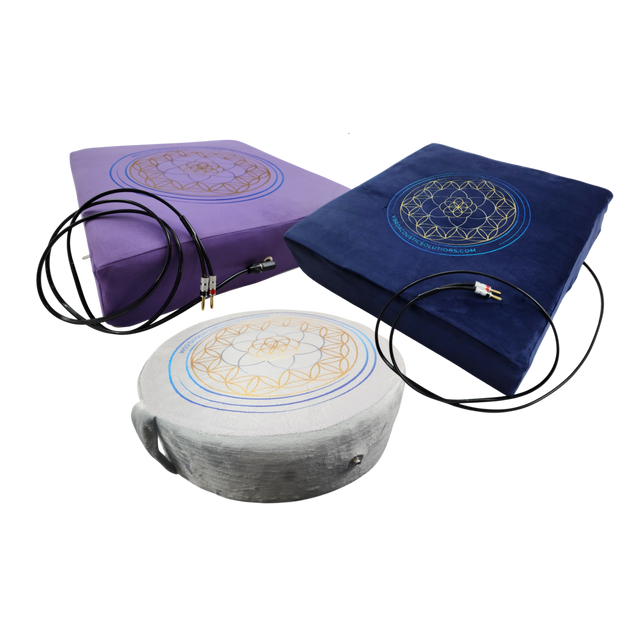
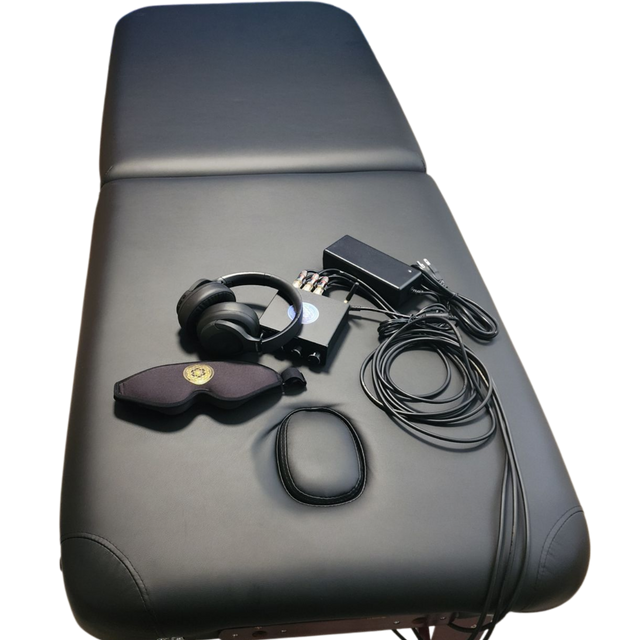
A vibroacoustic session is often most useful at the point where your body is asking for regulation but words, stretching, or willpower are not enough. Knowing when to use vibroacoustic sessions helps you turn a sound-based experience into a consistent therapeutic practice - whether you are recovering after a demanding day, preparing a client for bodywork, or creating a more supportive sleep routine.
Vibroacoustic therapy works through tactile low-frequency sound. Transducers inside a bed, cushion, or treatment-table attachment convert an audio signal into gentle physical vibration. Rather than only hearing the tone, the body receives it through contact. Frequencies commonly used in vibroacoustic systems sit between about 20 and 120 Hz, a range that can be felt as a slow, rhythmic movement through soft tissue. This physical input may support relaxation by giving the nervous system a steady, predictable sensory signal while also creating a subtle micro-massage effect in the areas touching the equipment.
The best timing is personal. Your goals, sensory preferences, health history, and the intensity of the session all matter. The following situations offer a practical place to begin.
When to use vibroacoustic sessions for nervous system regulation
A session can be especially valuable when you notice signs of accumulated activation: shallow breathing, a tight jaw, racing thoughts, irritability, restlessness, or the feeling that your body has not caught up with the day. Low-frequency vibration gives attention somewhere physical and repetitive to land. For many people, that makes it easier to shift out of mental overdrive and into a quieter, more settled state.
This is why late afternoon or early evening can be a useful window. It creates a transition between work, caregiving, commuting, and the rest of the night. A 20- to 30-minute session at a comfortable volume may help establish a boundary between demand and rest without requiring a major time commitment.
For a home user, consistency generally matters more than intensity. Two or three sessions each week may be a better starting rhythm than one long session used only when stress feels overwhelming. For practitioners, vibroacoustic therapy can also be a meaningful arrival ritual before a massage, somatic session, or integrative treatment. When clients arrive highly activated, 10 to 15 minutes of low-frequency sound may help them feel more present in their body before hands-on work begins.
Use sessions before sleep, not only during sleeplessness
Sleep support is one of the most natural applications for vibroacoustic therapy, but timing changes the experience. Waiting until 2 a.m. after hours of wakefulness can make a session feel like another task to solve sleep. Using it 30 to 60 minutes before your intended bedtime is often more supportive because it becomes part of a repeatable downshift routine.
Lower-frequency programs in the 30 to 60 Hz range are often selected for their slow, grounding feel. Pair the session with a dim room, reduced screen exposure, and a comfortable temperature. The goal is not to force sleep. It is to reduce the sensory and muscular momentum that can keep the body alert.
If you tend to fall asleep quickly during sessions, choose a timed program and avoid settings that feel too stimulating. If you are sensitive to vibration, begin with 10 minutes at a lower amplitude. The body can need time to learn that this new sensory input is safe and welcome.
Use vibroacoustic therapy around physical recovery
Physical recovery is another appropriate time to use vibroacoustic sessions, particularly after repetitive work, exercise, long travel, or extended periods of sitting. The mechanism is not the same as high-impact mechanical vibration. Vibroacoustic systems use music-driven, low-frequency oscillation through a supported surface, allowing the user to rest while receiving tactile sound.
A short post-activity session may be helpful when muscles feel guarded or when the nervous system remains keyed up after exertion. Many people prefer 15 to 25 minutes after a workout, a physically demanding shift, or a long drive. The intention is gentle recovery and body awareness, not pushing through acute pain.
Frequency selection depends on comfort and the equipment being used. Some users find approximately 40 to 60 Hz soothing through the back and hips, while slightly higher tactile ranges, around 60 to 90 Hz, can feel more localized and energizing. There is no single therapeutic Hz that suits every body. The setting that feels calming and comfortable is usually more useful than pursuing a specific number.
In a clinical or bodywork setting, consider using a session before treatment to reduce protective tension, or after treatment as a quiet integration period. The trade-off is time: a longer vibroacoustic experience can deepen relaxation, but a brief 10-minute protocol may fit more easily into a full treatment schedule.
Use it during periods of sensory overload or emotional tension
For people with ADHD-related sensory needs, autism-related sensory differences, trauma-related tension, or a highly reactive stress response, predictable vibration can offer an organizing sensory anchor. The key word is predictable. The brain and body often respond differently to a low, steady pulse than to sudden noise, touch, or competing demands.
This does not mean every person will enjoy the same program. Some people find low bass frequencies deeply settling, while others prefer a lighter level of tactile input or shorter sessions. Start with the body well supported, volume and vibration low, and a clear option to stop at any time. In a practice setting, ask clients where they feel the vibration and whether it feels grounding, neutral, too intense, or distracting.
Sessions may be useful before a challenging appointment, after social or workplace overload, or during a planned decompression period. They can also support transitions that are difficult for many nervous systems: arriving home, preparing for bed, or shifting from high-focus work into rest.
When to schedule vibroacoustic sessions in a treatment plan
For practitioners, vibroacoustic therapy works best when it has a defined role rather than becoming background ambiance. Decide whether the session is intended to support intake and settling, prepare tissue for manual therapy, create a rest period after a treatment, or give a client a self-regulation tool between appointments.
A new client may benefit from a conservative first session of 10 to 15 minutes. This provides enough time to notice their response without overwhelming the system. If the experience is comfortable, a 20- to 30-minute session can be introduced at later visits. Document practical observations: the frequency range used, duration, body position, reported comfort, and changes in breathing, muscle tension, or subjective stress.
Research on vibroacoustic therapy spans pain management, rehabilitation, relaxation, and special-needs settings. Studies commonly evaluate changes in self-reported pain or anxiety, muscle tone, movement, and autonomic measures such as heart-rate variability. Results vary by protocol, population, frequency range, and whether music is paired with the vibration. That variation is a reminder to personalize the session rather than treating any preset as universal.
Times to pause and seek individualized guidance
Vibroacoustic sessions should feel supportive, not demanding. Stop or reduce the intensity if you experience discomfort, dizziness, agitation, numbness, or worsening symptoms. People who are pregnant, have implanted electronic devices, an acute injury, a history of seizure activity, significant bone fragility, circulation concerns, or a complex medical condition should speak with an appropriate licensed clinician before beginning a new vibration-based routine.
Avoid placing a vibroacoustic system over an area of recent surgery unless your care team has cleared it. For acute pain, unexplained symptoms, or pain following a new injury, seek appropriate medical assessment rather than using a session to work around the problem. Vibroacoustic therapy can complement a broader care plan, but it is not a replacement for diagnosis or medical treatment.
Build a routine your body can recognize
The most effective session is usually the one you will actually repeat. Choose one reliable cue: after changing out of work clothes, after training, before bed, or before the first client of the day. Use the same location and a familiar duration for several sessions before making major adjustments.
Vibroacoustic Solutions systems can make this practice possible across home and professional settings, from a dedicated therapeutic bed to a cushion or treatment-table conversion. Start gently, pay attention to your response, and let comfort guide the progression. Over time, those few intentional minutes can become a recognizable signal that your body is allowed to soften, recover, and return to itself.
Latest posts


Vibroacoustic Systems for Therapeutic Regulation
Read article