A vibroacoustic session can feel remarkably simple: you lie or sit on a surface that delivers low-frequency sound through the body while listening to music or therapeutic tones. Yet vibroacoustic treatment outcomes are not simply a matter of feeling vibration. They arise from a physical conversation between sound, touch, muscle tone, breathing, attention, and the autonomic nervous system.
For home users, that may mean a quieter transition into sleep or less tension after a demanding day. For practitioners, it can mean clients arrive at the hands-on portion of a session more settled, more embodied, and better able to receive care. The most meaningful outcomes tend to build when frequency, session length, comfort, and clinical intention are matched to the individual.
How Vibroacoustic Therapy Creates Change
Vibroacoustic therapy uses transducers to convert low-frequency audio into tactile vibration. Unlike sound heard only through the ears, this vibration travels through the treatment surface and into the body as rhythmic mechanical stimulation. Frequencies commonly used in vibroacoustic systems fall roughly between 20 and 120 Hz, a range that can be felt clearly through the back, pelvis, legs, and torso.
At a tissue level, this gentle vibration may act like a micro-massage. It provides patterned sensory input to mechanoreceptors in the skin, muscles, fascia, and joints. That input can shift how the brain interprets bodily signals, including signals related to tension and discomfort. Slow, predictable vibration also gives the nervous system a stable cue to orient toward, which is one reason many people describe a sense of grounding or containment during a session.
Breath and music matter, too. When a person rests with low-frequency vibration and a calming musical structure, breathing often slows naturally. Heart rate, muscle guarding, and mental scanning may soften alongside it. This is not a switch that every body flips on command. It is a process of supporting parasympathetic regulation through consistent sensory conditions.
Vibroacoustic Treatment Outcomes People Commonly Notice
The first outcome is often immediate but subtle: a change in state. A client may report that their shoulders have dropped, their jaw feels less clenched, or their internal pace has slowed. For people who spend much of the day in a state of stress activation, that shift can be clinically meaningful even before changes in sleep, mobility, or pain patterns become apparent.
Stress regulation and emotional settling
Low-frequency vibration is especially well suited to downshifting because it is felt across a broad area of the body. Frequencies in the 30 to 60 Hz range are often experienced as deeply soothing, particularly when paired with slow music, nature-based soundscapes, or guided breathing. Some users feel calm after one 20- to 30-minute session; others need repeated exposure before their body recognizes the experience as reliably safe and restorative.
For trauma-informed settings, pacing is essential. A supportive session begins at a comfortable volume and vibration level, with clear control over stopping or adjusting the experience. Predictability, choice, and physical comfort are often just as important as the selected frequency.
Pain support and reduced muscle guarding
Vibroacoustic therapy is frequently used as a non-invasive complement for persistent muscular tension, exercise-related soreness, and pain-related stress. The intended outcome is not to force the body to relax. It is to reduce the sensory and emotional load that can keep muscles guarded.
Research on vibroacoustic therapy has explored pain outcomes in populations with chronic pain, postoperative discomfort, and neurological conditions. Across smaller clinical studies, participants commonly report reductions in perceived pain and anxiety after sessions, though protocols, frequencies, and treatment durations differ substantially. That variation matters: a 40 Hz program used for relaxation may serve a different purpose than a 70 to 90 Hz program designed to feel more energizing or circulatory.
In practice, many clinicians begin with lower, more settling frequencies and ask clients to describe what they feel. If vibration is too intense, it can become irritating rather than regulating. The right setting is usually one the client can feel clearly without bracing against it.
Sleep quality and evening recovery
People seeking better sleep often respond to vibroacoustic therapy because it creates a deliberate transition out of stimulation. A short session before bed can reduce the sense of carrying the entire day into the bedroom. Gentle frequencies around 30 to 50 Hz, used at low volume with a slower musical tempo, are common choices for evening routines.
Sleep-related outcomes may include falling asleep more easily, fewer periods of restless wakefulness, or a greater sense of physical restfulness the next morning. These changes are often most noticeable when the session is part of a consistent wind-down practice rather than a one-time intervention after a difficult night.
Sensory organization and body awareness
For some people with ADHD, autism, chronic stress, or sensory processing differences, vibration can provide a welcome form of deep sensory input. The experience may improve body awareness, reduce restlessness, or make it easier to transition between activities. For others, particularly those who are sound-sensitive, a lower setting, shorter session, or more localized cushion may be the better starting point.
The outcome to look for is not necessarily stillness. It may be improved self-awareness: recognizing when the body is becoming overloaded, identifying a preferred sensory level, or finding a regulation practice that feels accessible rather than effortful.
What Shapes Vibroacoustic Treatment Outcomes?
Frequency is only one part of the treatment equation. A well-designed vibroacoustic session also considers intensity, body position, session timing, and the person’s current capacity. Someone using a bed after athletic training may prefer a more present, rhythmic program. Someone recovering from an overstimulating workday may benefit from a quieter, lower-frequency experience with minimal musical complexity.
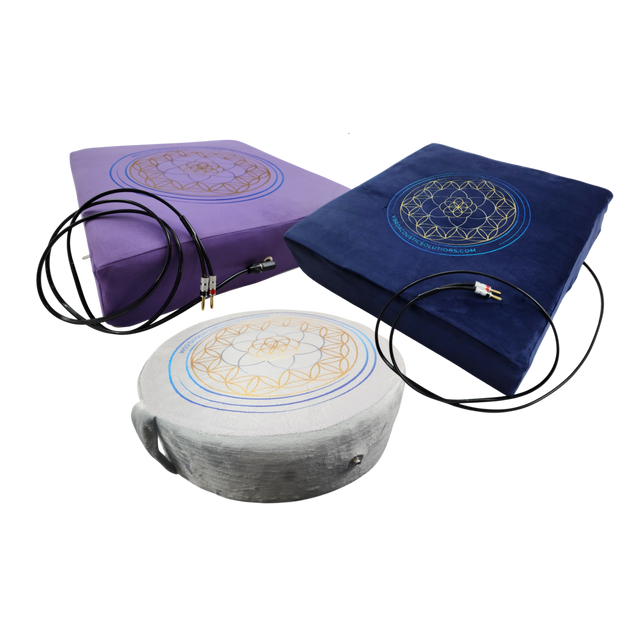
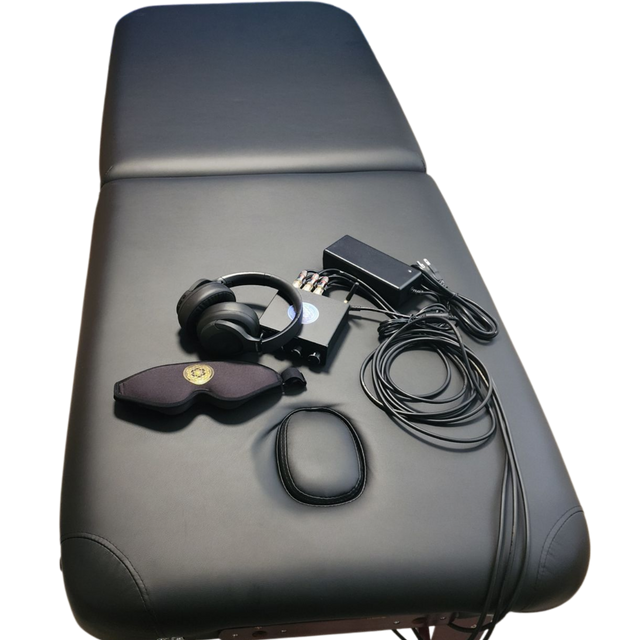
Consistency also changes the picture. One session may create immediate relaxation, while a series of two or three sessions per week can help establish a more familiar regulation pattern. Home systems make this repetition practical. A vibroacoustic cushion can support brief sessions in a favorite chair, while a bed or massage table attachment can create a more immersive full-body experience.
Practitioners should document outcomes in specific, client-centered terms. Rather than asking only, “Did you like it?” ask about pain intensity, sleep onset, perceived stress, range of motion, recovery time, and emotional state before and after sessions. This creates useful feedback and makes it easier to refine the protocol.
Setting Realistic Expectations
Vibroacoustic therapy works best as part of a thoughtful care plan, not as a performance test. Some people feel a strong shift during their first session. Others notice that the benefits appear later, such as sleeping more deeply that night or recovering more easily after stress. A small number may find certain frequencies too activating, especially at higher intensities.
Start conservatively. A 15- to 20-minute session at a comfortable level offers enough time for the body to respond without creating sensory fatigue. From there, duration and intensity can be adjusted based on the person’s goals and response. For persistent pain, sleep disruption, or complex health concerns, vibroacoustic therapy can sit alongside guidance from qualified healthcare professionals.
Measuring progress without chasing perfection
The most useful outcomes are functional. Does a client move through the afternoon with less tension? Do they need less time to settle after a stressful event? Are they arriving to massage, counseling, or physical rehabilitation with greater body awareness? These markers often reveal more than a single relaxation score.
For clinics, a simple pre- and post-session check-in can show patterns over time. For home users, a short journal tracking sleep, stress, discomfort, and energy can turn a general feeling of “this helps” into a clearer personal protocol.
Vibroacoustic Solutions systems are designed to make that protocol possible across home and professional environments, from portable cushions to full-body treatment surfaces. The technology is most powerful when it is used with intention: the right amount of vibration, at the right time, for the body in front of you.
A productive question is not, “What should I feel?” It is, “What helps my system feel safer, steadier, and more available for rest or recovery?” Let that answer guide the next session.
Latest posts


Somatic Sound Therapy Versus Massage: Key Differences
Read article